In the previous chapter, we traced the agonizing, magnificent survival of the Old Testament church. Despite the relentless rebellion of Israel, the devastation of the exile, and the fierce assaults of Satan, God sovereignly preserved the promised seed line. All of that history, the wars, the prophets, the tabernacle, and the waiting, was building toward… Continue reading Very God and Very Man: On the Incarnation (Scots Confession, Chapter 6)
These Are the Generations of Esau: The Kings Who Reigned in Edom (Gen. 36:1–43)
A chapter dominated by ancient names, tribal chiefs, and unfamiliar desert geography might seem like a dry detour in the patriarchal narrative. Yet, Genesis 36 occupies a vital and strategic place in redemptive history. Throughout the Book of Genesis, the Holy Spirit employs a deliberate literary pattern: before tracing the chosen covenant line through whom the… Continue reading These Are the Generations of Esau: The Kings Who Reigned in Edom (Gen. 36:1–43)
The Unstoppable Lord: Divine Omnipotence and Sovereign Power
We live in a world obsessed with power yet constantly frustrated by its limitations. In creaturely life, power is always fragile, finite, and contested. An earthly empire amasses legions and battleships, only to collapse from economic decay or internal corruption. A brilliant surgeon exhausts all her skill, only to lose the patient on the operating… Continue reading The Unstoppable Lord: Divine Omnipotence and Sovereign Power
A Marvelous Preservation: On the Continuance of the Kirk (Scots Confession, Chapter 5)
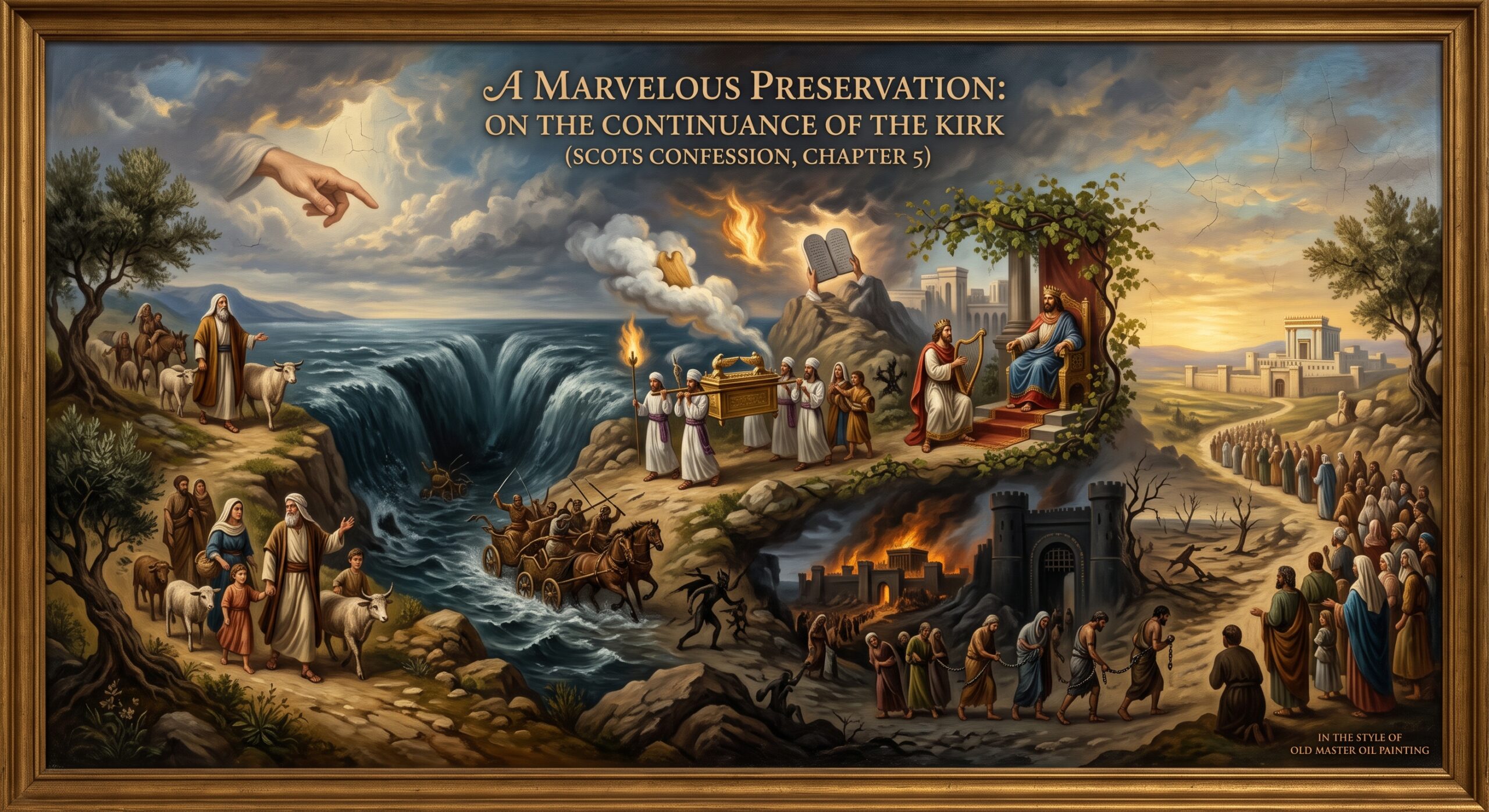
In Chapter 4 of the Scots Confession, we saw the glorious dawn of redemptive history. Following the catastrophic fall of mankind, God broke into the darkness with a brilliant promise: the Seed of the woman would ultimately crush the head of the Serpent. But a profound question immediately arises. How did that promise survive? If… Continue reading A Marvelous Preservation: On the Continuance of the Kirk (Scots Confession, Chapter 5)
Arise, Go Up to Bethel: A Return to the House of God (Gen. 35:1–29)
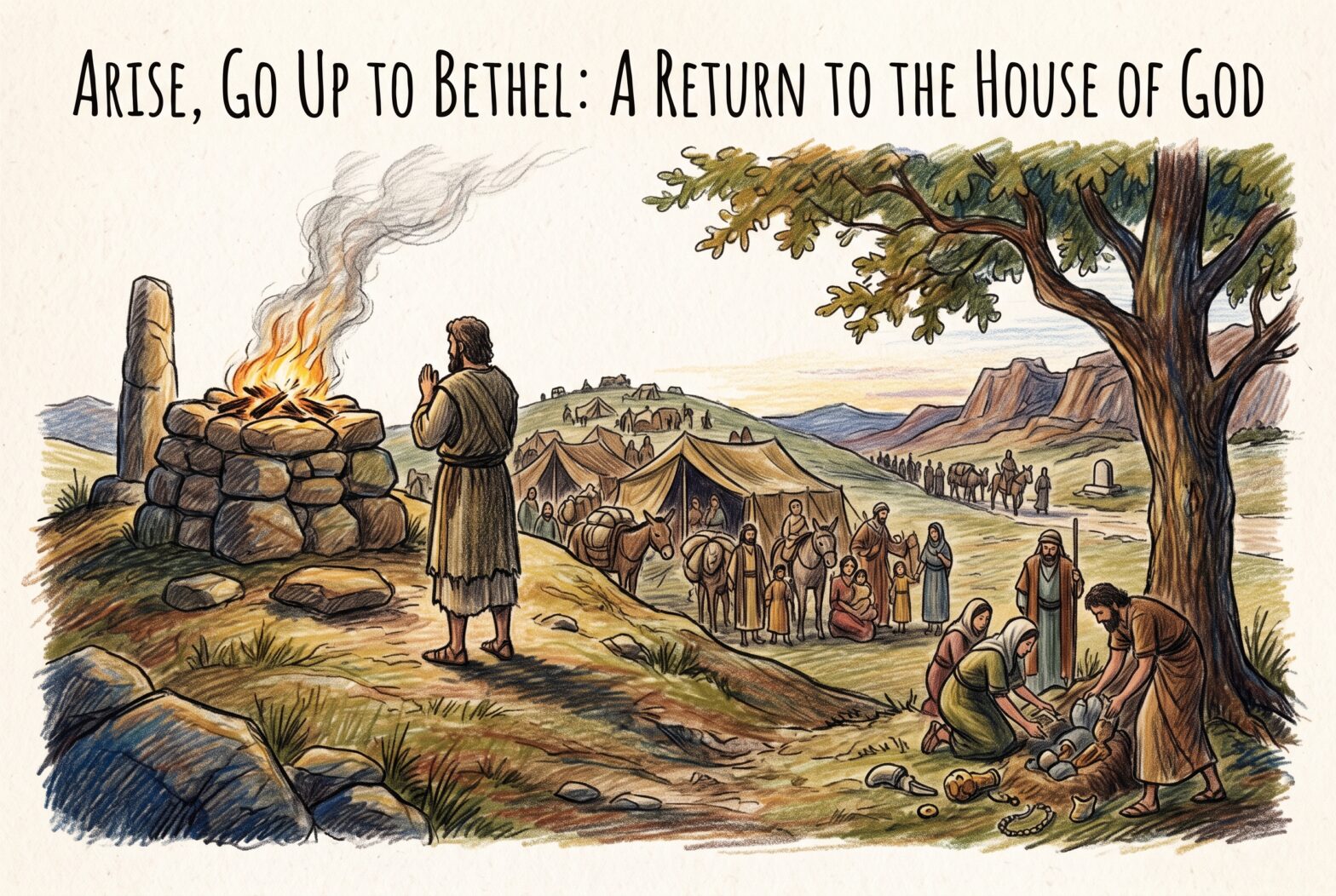
Lingering in spiritual compromise always produces sorrow. In Genesis 34, Jacob’s household suffered catastrophe outside the gates of Shechem because Jacob had settled short of the destination God had appointed for him. Instead of journeying thirty miles south to Bethel to fulfill the vow he had made as a penniless fugitive thirty years earlier (Gen.… Continue reading Arise, Go Up to Bethel: A Return to the House of God (Gen. 35:1–29)
Unbound Reality: Divine Omnipresence, Eternity, and Infinity

We live in a world defined and constrained by borders. Every creaturely reality exists within the twin coordinates of space and time. You can only be in one physical location at any given moment, and your life unfolds along an unyielding, linear timeline: seconds tick away into minutes, past moments slip beyond reach, and the… Continue reading Unbound Reality: Divine Omnipresence, Eternity, and Infinity
The First Gospel: On the Revelation of the Promise (Scots Confession, Chapter 4)

In the previous chapter, the Scottish Reformers left us with a profoundly bleak diagnosis of the human condition. Due to the cosmic treason of our first parents in the Garden of Eden, the image of God was “utterly defaced” in mankind. We were rendered natural enemies of our Creator, slaves to Satan, and bound for… Continue reading The First Gospel: On the Revelation of the Promise (Scots Confession, Chapter 4)
An Outrage in Israel: The Defiling of Dinah and the Fury of Her Brothers (Gen. 34:1–31)

Scripture never flinches from recording the devastating consequences of sin, even within the covenant family. In Genesis 33, Jacob arrived safely in Canaan, but instead of completing his journey to Bethel to fulfill the solemn vow he had made twenty years earlier (Gen. 28:20–22), he purchased land and pitched his tent outside the pagan city… Continue reading An Outrage in Israel: The Defiling of Dinah and the Fury of Her Brothers (Gen. 34:1–31)
The Unchanging Rock: Reclaiming Divine Impassibility
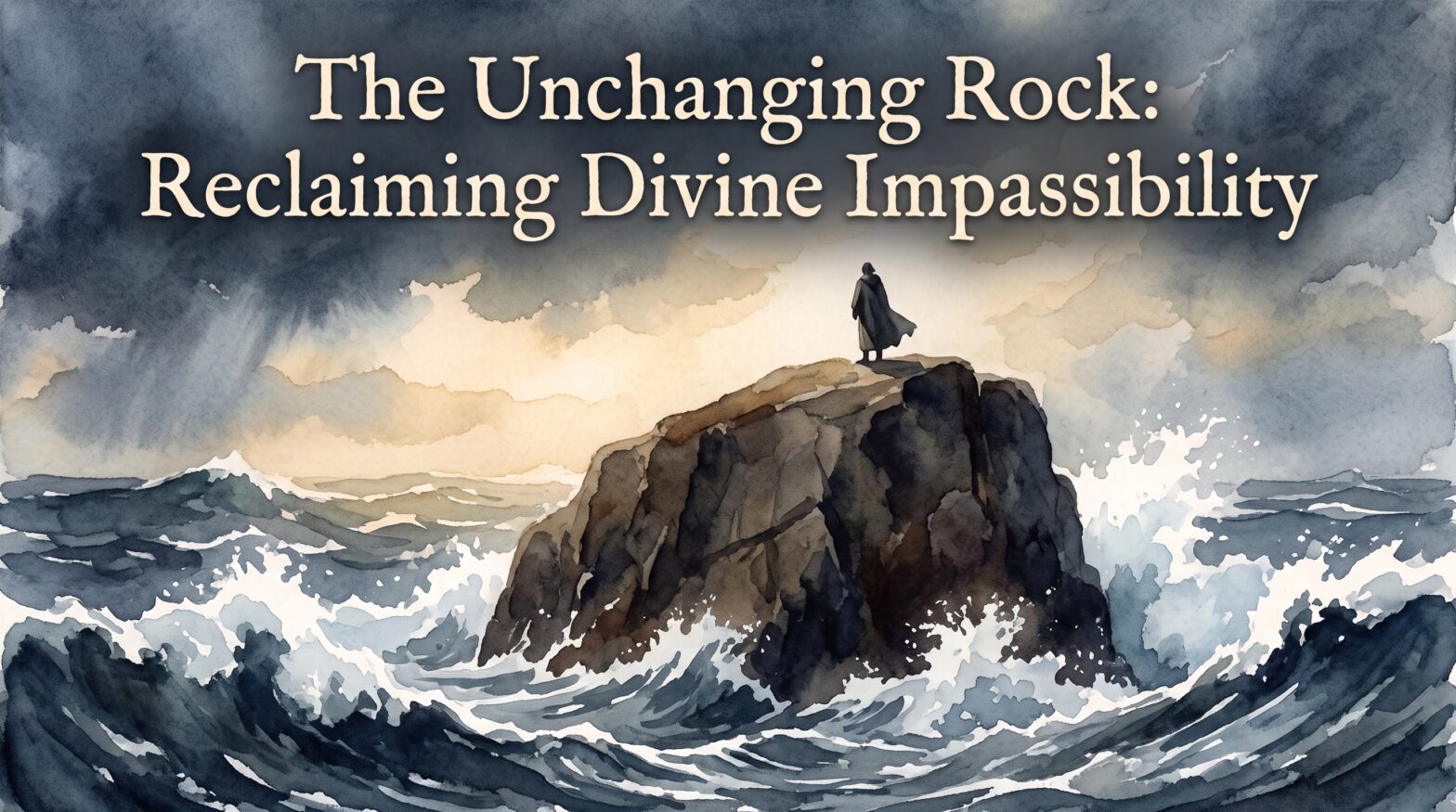
We live in an age that equates love with emotional vulnerability. In our modern, psychologized world, authenticity is measured by how deeply an individual can be wounded by others, how openly they display emotional volatility, and how intensely they enter into shared distress. To love someone, we are told, means allowing our emotional equilibrium to… Continue reading The Unchanging Rock: Reclaiming Divine Impassibility
Utterly Defaced: On Original Sin (Scots Confession, Chapter 3)
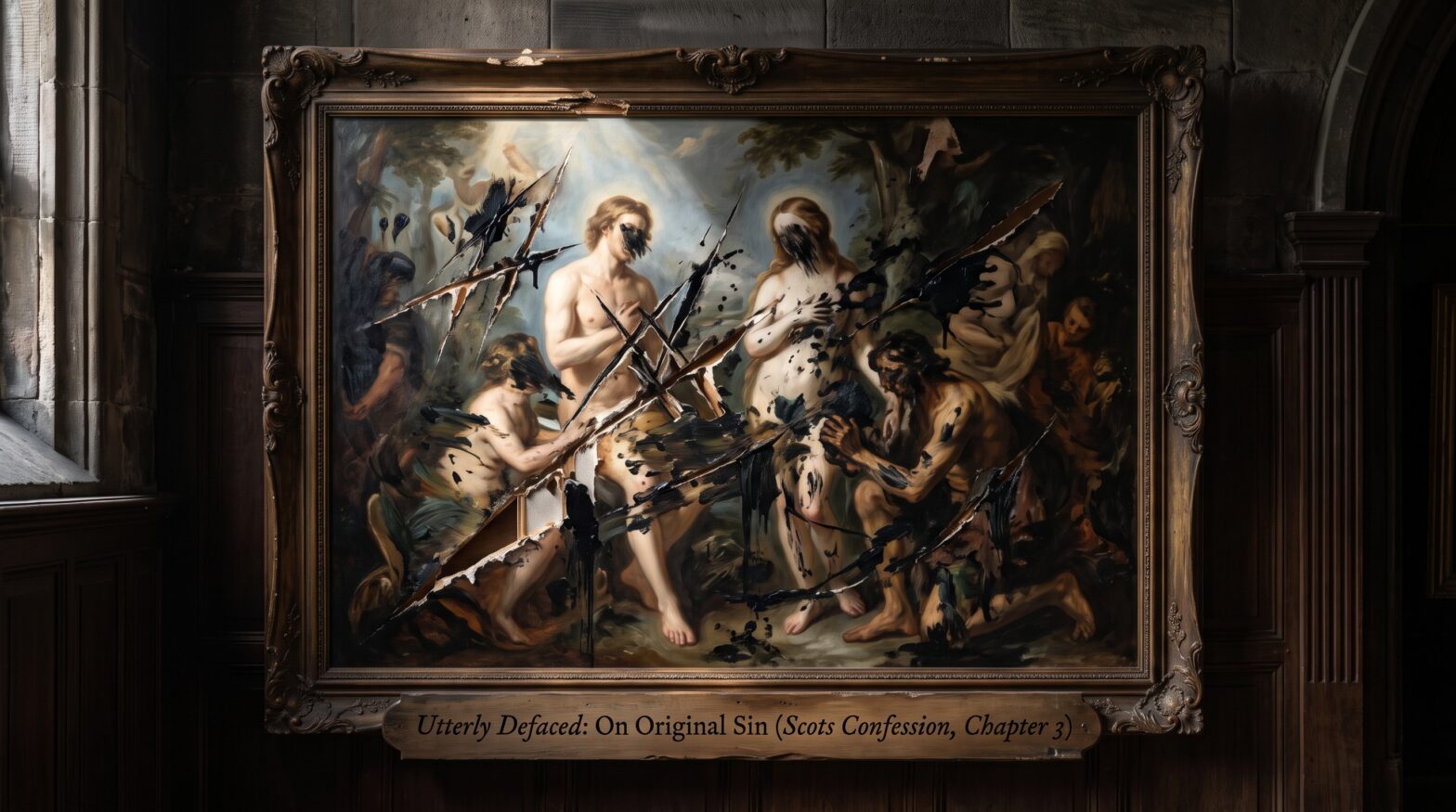
In the previous chapter of the Scots Confession, we looked at the breathtaking heights of early humanity and the catastrophic plunge of the Fall. Adam and Eve were created in pristine perfection, shining with the image of God. However, through a willful and cosmic conspiracy against the Sovereign Lord, they plummeted into ruin. If Chapter… Continue reading Utterly Defaced: On Original Sin (Scots Confession, Chapter 3)