Loved ones, in our last study, we watched the father of the faithful stumble. Driven by famine and fear, Abram went down to Egypt, deceived Pharaoh, and endangered the promised line. It was a low point. But God, in His severe mercy, plagued Pharaoh and brought Abram out—not empty-handed, but wealthy.
Genesis 13 is the story of the comeback. It is a chapter about repentance, restoration, and the maturity of faith. We will see Abram face a new test. In Egypt, the test was famine (lack), and he failed. Here, the test is fortune (wealth), and he succeeds beautifully. The man who grasped for security in Egypt is now willing to let go of the best land in Canaan, because he finally understands that his portion is not a patch of grass, but the Lord Himself.
Genesis 13:1-18 records Abram’s return to the altar of worship, the separation from Lot due to the strife of wealth, and the contrasting choices of Lot—who walked by sight toward Sodom—and Abram—who walked by faith into the fullness of God’s promise.
Verses 1-4
1 So Abram went up from Egypt, he and his wife and all that he had, and Lot with him, into the Negeb. 2 Now Abram was very rich in livestock, in silver, and in gold. 3 And he journeyed on from the Negeb as far as Bethel to the place where his tent had been at the beginning, between Bethel and Ai, 4 to the place where he had made an altar at the first. And there Abram called upon the name of the Lord.
The Return to the Altar
Abram leaves Egypt “very rich,” but spiritually, he has work to do. Notice his geography. He journeys “to the place where his tent had been at the beginning… to the place where he had made an altar at the first.”
This is the geography of repentance. Abram literally retraces his steps back to the last place he was in fellowship with God. He goes back to Bethel (“House of God”). He goes back to the altar. And there, for the first time since chapter 12:8, the text says, “Abram called upon the name of the LORD.” There is no mention of him building an altar in Egypt. Egypt was a place of silence; Canaan is the place of communion. This teaches us that when we slide into sin, the way forward is to go back—back to the cross, back to worship, back to the “first works” (Rev. 2:5).
Verses 5-9
5 And Lot, who went with Abram, also had flocks and herds and tents, 6 so that the land could not support both of them dwelling together; for their possessions were so great that they could not dwell together, 7 and there was strife between the herdsmen of Abram’s livestock and the herdsmen of Lot’s livestock. At that time the Canaanites and the Perizzites were dwelling in the land. 8 Then Abram said to Lot, “Let there be no strife between you and me, and between your herdsmen and my herdsmen, for we are kinsmen. 9 Is not the whole land before you? Separate yourself from me. If you take the left hand, then I will go to the right, or if you take the right hand, then I will go to the left.”
The Test of Prosperity
Wealth brings its own problems. The land cannot support the massive herds of both men. Strife breaks out. The text adds a crucial detail: “At that time the Canaanites and the Perizzites were dwelling in the land.”
The enemies of God were watching. When the covenant family fights, the witness to the surrounding world is compromised. Abram realizes that their unity is more important than their prosperity.
This is a stunning act of faith. As the elder and the recipient of the divine promise, Abram had every right to claim the best land. Instead, he surrenders his rights. Why? Because he learned his lesson in Egypt. He knows that he doesn’t need to grab to be safe. He trusts that God can bless him on the rocky hills just as well as in the fertile valleys. He seeks peace over profit.
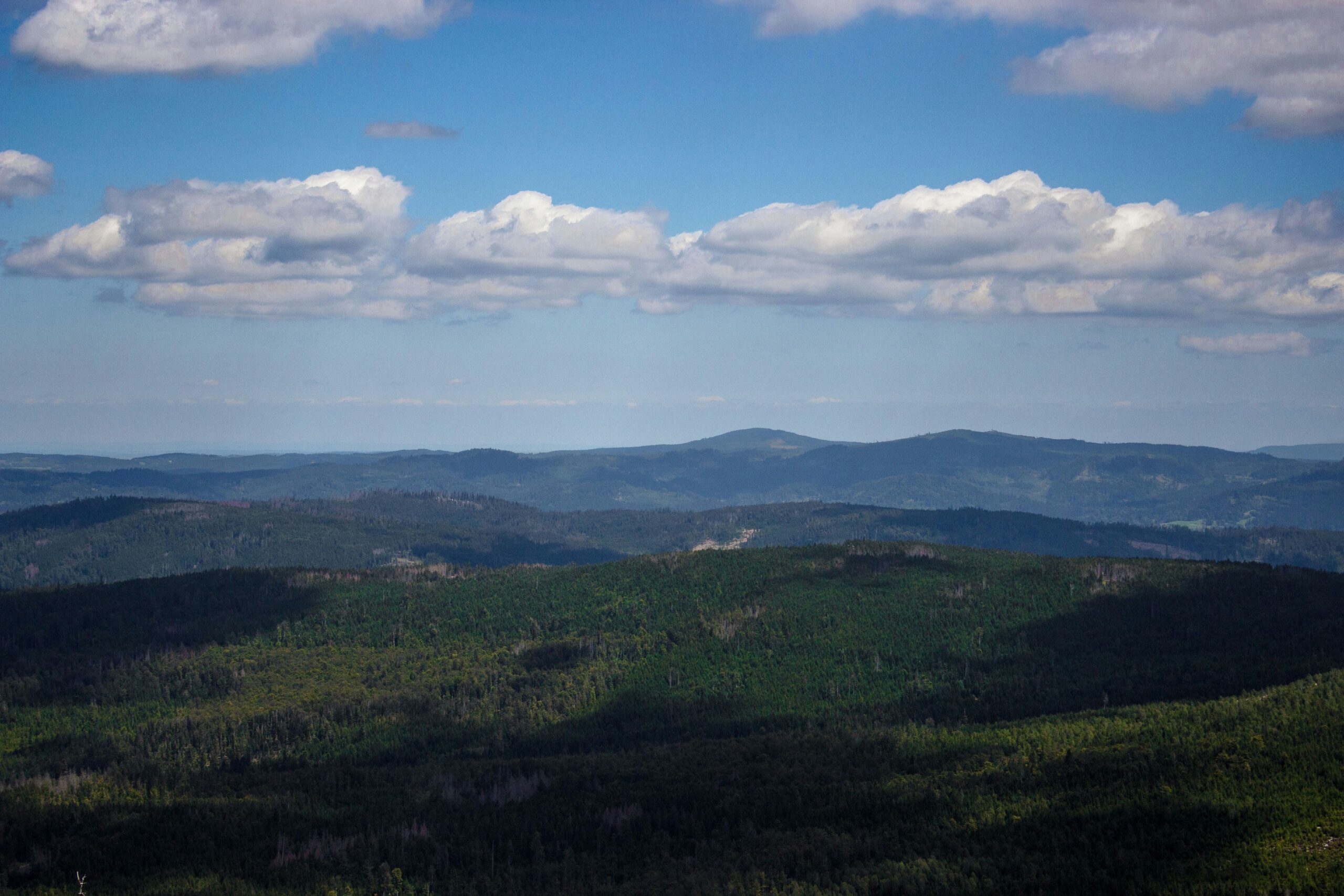
Verses 10-13
10 And Lot lifted up his eyes and saw that the Jordan Valley was well watered everywhere like the garden of the Lord, like the land of Egypt, in the direction of Zoar. (This was before the Lord destroyed Sodom and Gomorrah.) 11 So Lot chose for himself all the Jordan Valley, and Lot journeyed east. Thus they separated from each other. 12 Abram settled in the land of Canaan, while Lot settled among the cities of the valley and moved his tent as far as Sodom. 13 Now the men of Sodom were wicked, great sinners against the Lord.
Walking by Sight
Lot’s response reveals his heart. He “lifted up his eyes.” He looked at the physical beauty of the Jordan Valley. The text says it looked like two things: “the garden of the LORD” (Eden) and “the land of Egypt.”
Lot is seduced by appearances. He wants a paradise, and he is willing to go back to “Egypt” (figuratively) to get it. He chooses based on economics, not theology. He journeys “east”—a direction often associated with moving away from God in Genesis (Adam, Cain, Babel).
Lot pitches his tent toward Sodom. He doesn’t move in yet, but he leans in. He tolerates the wickedness of his neighbors for the sake of the pasture for his sheep. It is a tragic exchange: he gains grass but loses his soul’s safety.
Verses 14-18
14 The Lord said to Abram, after Lot had separated from him, “Lift up your eyes and look from the place where you are, northward and southward and eastward and westward, 15 for all the land that you see I will give to you and to your offspring forever. 16 I will make your offspring as the dust of the earth, so that if one can count the dust of the earth, your offspring also can be counted. 17 Arise, walk through the length and the breadth of the land, for I will give it to you.” 18 So Abram moved his tent and came and settled by the oaks of Mamre, which are at Hebron, and there he built an altar to the Lord.
The Promise Expanded
Notice the timing: “after Lot had separated from him.” Once the compromise is gone, God speaks. And notice the command: “Lift up your eyes.” Lot lifted up his own eyes to grab; now God lifts up Abram’s eyes to give.
God expands the promise. He gives Abram a 360-degree view. He promises the land not just for a lifetime, but “forever.” He reiterates the seed promise: “I will make your offspring as the dust of the earth.” This is a specific rebuke to Abram’s childlessness. Standing there as an old man with no son, God tells him to count the dust.
Abram responds with feet and faith. He walks the land, effectively claiming it for his King. He settles in “Hebron” (which means “fellowship” or “alliance”) and, characteristic of his life, “built an altar to the LORD.” While Lot is moving toward the city of destruction, Abram is worshipping in the city of fellowship.
Conclusion
Genesis 13 presents us with two ways of living. We can live like Lot: lifting up our own eyes, calculating the best economic move, ignoring the spiritual climate of our “Sodom,” and walking by sight. Or we can live like Abram: returning to the altar when we fail, valuing peace over profit, and trusting that if we “seek first the kingdom of God,” all these things will be added to us.
Abram gave up the best land, but he got the Lord. Lot got the best land, but—as we will see soon—he lost everything in the fire.
Key Terms
- Walking by Sight vs. Faith: The central thematic contrast of the chapter. Lot chooses based on visual appeal and economic logic (“well watered”). Abram chooses based on trust in God’s invisible promise, willing to take the inferior portion.
- Bethel: Meaning “House of God.” It represents the place of spiritual baseline and restoration for Abram. Returning there signifies his repentance after the detour to Egypt.
- Sodom: A city representative of the world system—prosperous but morally rotten (“wicked, great sinners”). Lot’s movement toward it warns of the subtle drift of compromise.
- Hebron: The place where Abram settles, meaning “fellowship.” It becomes a key site in patriarchal history (and later David’s first capital), symbolizing Abram’s restored communion with God.
- Peacemaking: Abram’s willingness to suffer loss (“take the left hand”) to maintain unity and witness (“Canaanites… in the land”) reflects the beatitude: “Blessed are the peacemakers.”
Good job Tony I love the Key terms at the end .