
We live in a world obsessed with power yet constantly frustrated by its limitations. In creaturely life, power is always fragile, finite, and contested. An earthly empire amasses legions and battleships, only to collapse from economic decay or internal corruption. A brilliant surgeon exhausts all her skill, only to lose the patient on the operating… Continue reading The Unstoppable Lord: Divine Omnipotence and Sovereign Power
Category: Theology Proper
Unbound Reality: Divine Omnipresence, Eternity, and Infinity

We live in a world defined and constrained by borders. Every creaturely reality exists within the twin coordinates of space and time. You can only be in one physical location at any given moment, and your life unfolds along an unyielding, linear timeline: seconds tick away into minutes, past moments slip beyond reach, and the… Continue reading Unbound Reality: Divine Omnipresence, Eternity, and Infinity
The Unchanging Rock: Reclaiming Divine Impassibility
We live in an age that equates love with emotional vulnerability. In our modern, psychologized world, authenticity is measured by how deeply an individual can be wounded by others, how openly they display emotional volatility, and how intensely they enter into shared distress. To love someone, we are told, means allowing our emotional equilibrium to… Continue reading The Unchanging Rock: Reclaiming Divine Impassibility
The Self-Sufficient Source: Reclaiming Divine Aseity
We live in a culture dominated by transactional relationships. From our economic transactions to our social media networks, every connection in creaturely life involves mutual need, exchange, and dependence. We seek out friends who validate our identity, elect leaders who promise to fulfill our needs, and join communities to fill the empty places in our… Continue reading The Self-Sufficient Source: Reclaiming Divine Aseity
The Indivisible Essence: Reclaiming Divine Simplicity
We live in a world defined by composition. Everything in our creaturely experience is made up of parts. A physical body is composed of organs, tissues, and cells; a molecule is assembled from atoms; a clock is built from gears, springs, and levers. In our finite environment, complexity is often equated with greatness. We admire… Continue reading The Indivisible Essence: Reclaiming Divine Simplicity
The Majesty of the Triune God: An Introduction to Theology Proper
We live in a culture that has thoroughly domesticated the divine. In contemporary religion, God is frequently painted as an indulgent grandfather, a cosmic therapist, or a useful political ally who exists primarily to validate our desires and cushion our personal comfort. Even within conservative evangelicalism, we often speak of God with a breezy, casual… Continue reading The Majesty of the Triune God: An Introduction to Theology Proper
The Impersonal Logos vs. The Personal Trinity
For the past several weeks, we have been engaged in the delicate work of “plundering the Egyptians.” We have walked through the Stoic camp, identifying valuable tools—virtue, duty, the dichotomy of control, and the concept of things indifferent—and we have shown how, when rinsed in the waters of baptism, they can serve the Christian life.… Continue reading The Impersonal Logos vs. The Personal Trinity
The High Cost of Historical Revisionism
The summer of 2016 was a strange season for the evangelical internet. For a few heated months, the blogosphere—usually preoccupied with cultural hot takes or political infighting—became an impromptu lecture hall for Patristic theology. The debate concerned the Trinity, specifically the doctrine of Eternal Functional Subordination (EFS), later rebranded as Eternal Relations of Authority and Submission (ERAS). At stake was a… Continue reading The High Cost of Historical Revisionism
Monotheism Misunderstood
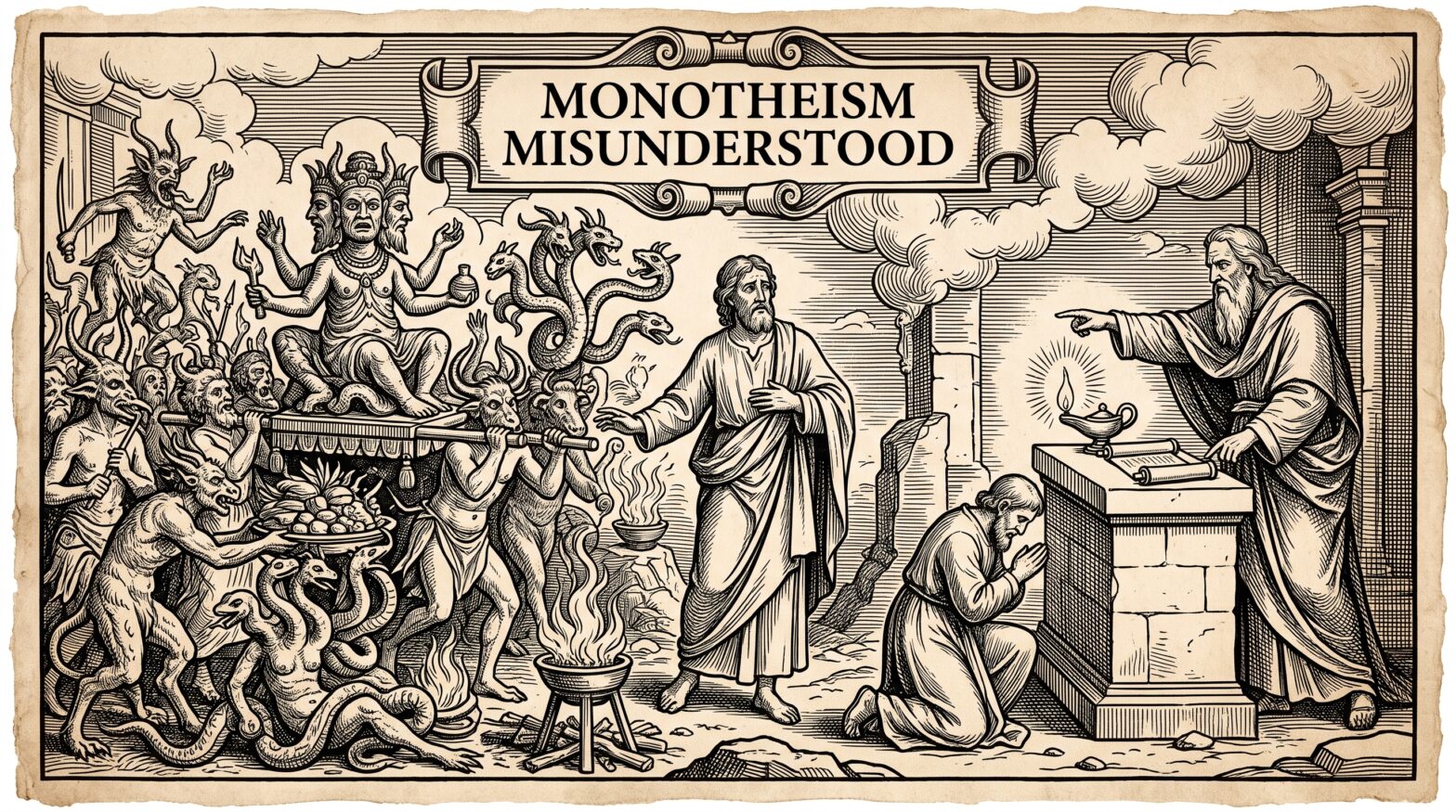
Before we proceed, it is important to address a recent development. Since the initial publication of this series, Jon Moffitt has announced his departure from the “Reformed Fringe” podcast, citing the time commitment required by the project. While we are encouraged by this step, as it appears to be the fruit of heeding wise counsel… Continue reading Monotheism Misunderstood
The Semantic Trojan Horse
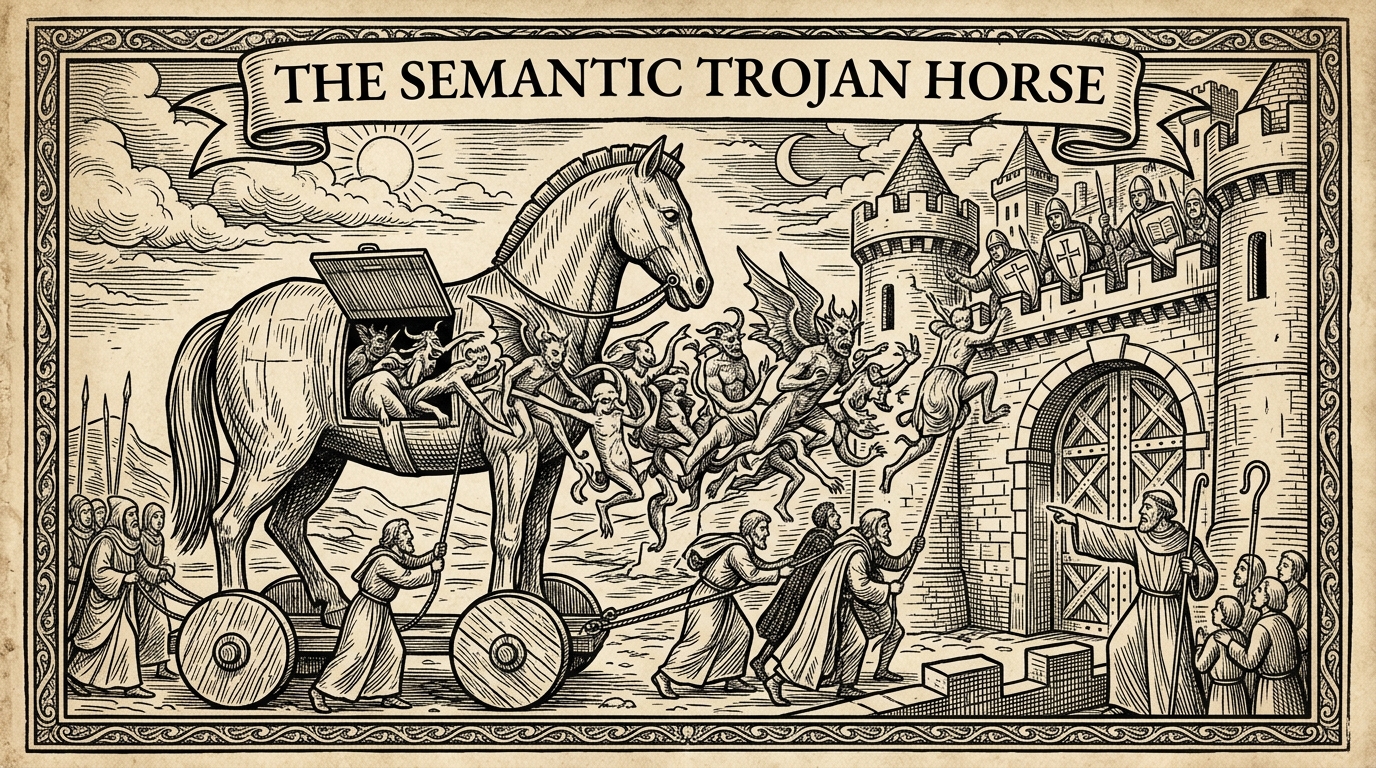
It is the solemn duty of every Christian to contend earnestly for the faith that was once for all delivered to the saints (Jude 3). This duty becomes particularly urgent when theological error, cloaked in familiar language, is presented to the church from platforms that carry an air of credibility. It is with this sense… Continue reading The Semantic Trojan Horse