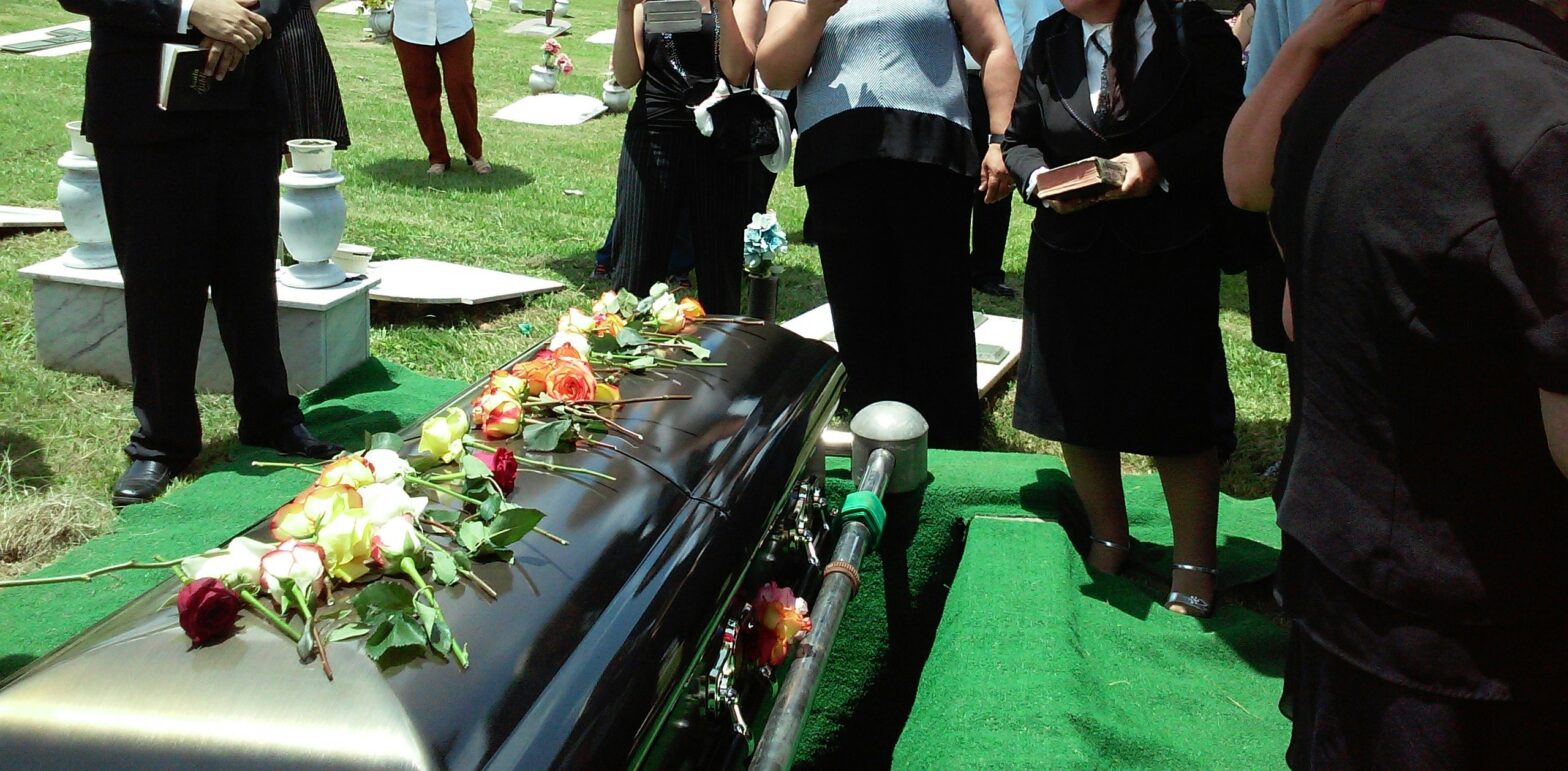
Loved ones, if Genesis 4 was the noise of the city, Genesis 5 is the silence of the graveyard. We have just witnessed the explosion of human civilization in the line of Cain—a culture of iron, music, polygamy, and vengeance. It was impressive, loud, and seemingly unstoppable. But now, the narrative slows down. The camera pans away from the shiny achievements of Lamech to a quiet, somber procession of names and numbers.
It is tempting to skim over genealogies. To modern eyes, they look like administrative clutter. But to the student of Scripture, this list is a theological battlefield. It is the record of the war between God’s promise and the serpent’s curse. Here, we see the grim reality of the Fall playing out over centuries. The warning of the garden—”you shall surely die”—finally catches up with Adam. Yet, in this litany of death, we also find the stubborn persistence of hope.
Genesis 5 traces the godly line from Adam to Noah, demonstrating the universal reign of death as the consequence of sin, while simultaneously highlighting God’s faithfulness in preserving a remnant and providing hope through Enoch’s walk with God and Noah’s promise of rest.
Verses 1-5
The Image of God and the Image of Adam
5 This is the book of the generations of Adam. When God created man, he made him in the likeness of God. 2 Male and female he created them, and he blessed them and named them Man when they were created. 3 When Adam had lived 130 years, he fathered a son in his own likeness, after his image, and named him Seth. 4 The days of Adam after he fathered Seth were 800 years; and he had other sons and daughters. 5 Thus all the days that Adam lived were 930 years, and he died.
The chapter opens with a deliberate look backward. The phrase “This is the book of the generations of Adam” (in Hebrew, toledot) signals a major new section in the book. The author reminds us of our original dignity: “When God created man, he made him in the likeness of God.” We were made to reflect the King.
But notice the subtle, tragic shift in verse 3. “When Adam had lived 130 years, he fathered a son in his own likeness, after his image…” Do you see what the text is doing here? You must compare verse 1 with verse 3. God made man in His likeness, but now Adam fathers a son in his own likeness. This does not mean the image of God is lost—humanity still retains dignity (Gen. 9:6)—but it is now fractured. Seth inherits Adam’s nature, a nature that is now fallen, mortal, and inclined toward sin. This is the doctrine of Original Sin in narrative form. We are not born merely as blank slates; we are born in the image of our fallen father.
And then, the bell tolls for the first time. Adam, the man formed from dust who once walked with God in the cool of the day, lives for nearly a millennium. “Thus all the days that Adam lived were 930 years, and he died.” The delay was long—a testimony to God’s patience and the vitality of the original creation—but the wages of sin were finally paid. The man became dust.
Verses 6-20
The Liturgy of Death
6 When Seth had lived 105 years, he fathered Enosh. 7 Seth lived after he fathered Enosh 807 years and had other sons and daughters. 8 Thus all the days of Seth were 912 years, and he died.
9 When Enosh had lived 90 years, he fathered Kenan. 10 Enosh lived after he fathered Kenan 815 years and had other sons and daughters. 11 Thus all the days of Enosh were 905 years, and he died.
12 When Kenan had lived 70 years, he fathered Mahalalel. 13 Kenan lived after he fathered Mahalalel 840 years and had other sons and daughters. 14 Thus all the days of Kenan were 910 years, and he died.
15 When Mahalalel had lived 65 years, he fathered Jared. 16 Mahalalel lived after he fathered Jared 830 years and had other sons and daughters. 17 Thus all the days of Mahalalel were 895 years, and he died.
18 When Jared had lived 162 years, he fathered Enoch. 19 Jared lived after he fathered Enoch 800 years and had other sons and daughters. 20 Thus all the days of Jared were 962 years, and he died.
As we move down the line of Seth—the line that began to “call upon the name of the Lord” in chapter 4—we encounter a relentless rhythm. Seth, Enosh, Kenan, Mahalalel, Jared. They live for centuries. They father sons and daughters. They sustain the human race. But the refrain is inescapable: “…and he died.”
It appears eight times in this chapter. It functions like a funeral march, hammering home the reality of our mortality. It does not matter how long you live, how many children you have, or how godly you are. Death is the universal solvent. This genealogy proves that the problem of Genesis 3 was not a temporary glitch; it is the new constitution of humanity. We are a dying race.
Verses 21-24
The Walker: An Interruption of Grace
21 When Enoch had lived 65 years, he fathered Methuselah. 22 Enoch walked with God after he fathered Methuselah 300 years and had other sons and daughters. 23 Thus all the days of Enoch were 365 years. 24 Enoch walked with God, and he was not, for God took him.
Suddenly, the rhythm breaks. In the seventh generation from Adam, we meet Enoch. While Lamech (the seventh from Adam in Cain’s line) was boasting of murder, Enoch is doing something altogether different: “Enoch walked with God.”
This is a profound description of piety. It implies intimacy, agreement, and constant communion. But look at the result. The text does not say, “and he died.” Instead, it says, “he was not, for God took him.”
This is a moment where the Analogy of Faith opens up a window of hope. The author of Hebrews tells you exactly what happened here: “By faith Enoch was taken up so that he should not see death… he was commended as having pleased God” (Heb. 11:5). In the middle of a graveyard, God plants a flower of immortality. Enoch’s translation into heaven serves as a divine signal that death does not have the final word. Fellowship with God is stronger than the curse. For the godly line, the grave is not the end.
Verses 25-32
The Longest Life and the Prophecy of Rest
25 When Methuselah had lived 187 years, he fathered Lamech. 26 Methuselah lived after he fathered Lamech 782 years and had other sons and daughters. 27 Thus all the days of Methuselah were 969 years, and he died.
28 When Lamech had lived 182 years, he fathered a son 29 and called his name Noah, saying, “Out of the ground that the Lord has cursed, this one shall bring us relief from our work and from the painful toil of our hands.” 30 Lamech lived after he fathered Noah 595 years and had other sons and daughters. 31 Thus all the days of Lamech were 777 years, and he died.
32 After Noah was 500 years old, Noah fathered Shem, Ham, and Japheth.
Enoch’s son, Methuselah, lives longer than any other human being recorded in Scripture: 969 years. While the text doesn’t explicitly state why, his name and lifespan are often associated with the coming judgment of the flood—God waiting patiently for the ark to be ready before the oldest man dies. But eventually, even he died.
Methuselah fathers Lamech. Be careful here—this is not the murderous Lamech of Cain’s line. This is a Lamech of the godly line, and his heart is very different. He names his son Noah, which sounds like the Hebrew word for “rest” or “relief.”
Lamech looks at the world—a world of thorns, thistles, and back-breaking labor caused by Adam’s sin—and he prophesies. He says, “Out of the ground that the Lord has cursed, this one shall bring us relief.” He is longing for the reversal of the curse. He is looking for a Savior. While Noah will indeed bring a form of relief by preserving humanity through the flood, the text invites you to look further. By seeing Noah as a “type,” you can see that the ultimate fulfillment of this cry for rest is found in Jesus Christ, who invites all who labor and are heavy laden to come to Him for true rest (Matt. 11:28).
Conclusion
Genesis 5 is a stark reminder of our reality: “it is appointed for man to die once” (Heb. 9:27). The refrain “and he died” echoes through the corridors of history, claiming rich and poor, righteous and wicked alike. We are the heirs of Adam, bearing his image and sharing his mortality.
But loved ones, we are not without hope. In the center of this chapter stands Enoch, a man who walked with God and stepped right over the grave. And at the end stands Noah, a pointer to the One who brings rest from the curse. This genealogy teaches us that while death reigns, grace interrupts. The seed of the woman is being preserved. The line is holding. God is marching history toward a victory that death cannot swallow.
Key Terms & Concepts
- Toledot (Generations): The Hebrew term meaning “generations” or “history.” It serves as a structural marker in Genesis (occurring 10 times) to divide the book into sections. It signals a narrowing of focus, usually tracing the godly seed through whom God’s covenant purposes will continue.
- Original Sin: The condition of sinfulness that all humans inherit from Adam. As Genesis 5:3 illustrates, we are born in the likeness of our fallen father, possessing a nature that is corrupted and subject to death, distinct from the original, unmarred image of God in creation.
- Translation: The theological term for the unique event of being taken bodily into heaven without experiencing physical death. Enoch (Gen. 5:24) and Elijah (2 Kings 2:11) are the only two instances of this in the Old Testament, serving as signs of God’s power over death and the hope of eternal life.
- The Antithesis: The ongoing conflict and distinction between the seed of the serpent (represented by Cain’s line in Gen 4) and the seed of the woman (represented by Seth’s line in Gen 5). This chapter highlights the preservation of the godly line despite the encroaching culture of death.
- Type/Typology: A person, event, or institution in the Old Testament that foreshadows a greater reality in the New Testament. Noah acts as a “type” of Christ, as he is the one prophesied to bring rest and comfort regarding the curse of sin, a role ultimately and perfectly fulfilled by Jesus.