We have traced the golden chain of salvation from God’s eternal election, through His effectual calling, to justification, adoption, and the ongoing work of sanctification. But a terrifying question often haunts the sensitive conscience: “I have been saved today, but what about tomorrow? What if I sin so badly that I lose my salvation? What if I just stop believing?”
If our salvation depends on our own strength to hold onto God, we are all doomed. But Chapter 17 brings us the doctrine of the Perseverance of the Saints. This is not a mechanical “Once Saved Always Saved” that allows for careless living; rather, it is the robust assurance that because God has grabbed hold of us, He will never let us go.
The Confession teaches that true believers can neither totally nor finally fall away from grace, but will certainly persevere to the end; that this security depends not on their own free will but on the unchangeable decree of the Father, the merit and intercession of the Son, and the abiding presence of the Spirit; yet, believers may fall into grievous sins, bringing temporary judgment and loss of comfort upon themselves.
The Promise of Safety (WCF 17.1)
The Confession begins with a bold declaration of safety. “They, whom God hath accepted in His Beloved, effectually called, and sanctified by His Spirit, can neither totally nor finally fall away from the state of grace, but shall certainly persevere therein to the end, and be eternally saved.”
Note the definition of a Christian here. It is not just someone who walked an aisle or signed a card. It is someone who is accepted in Christ, called by God, and sanctified by the Spirit. For such a person, two things are impossible:
- Total Apostasy: They cannot completely lose all grace.
- Final Apostasy: They cannot die in a state of rejection of God.
Instead, they “shall certainly persevere.” Notice the active verb. The doctrine is not just that we are “preserved” (though that is true), but that we “persevere.” We keep believing. We keep repenting. We keep fighting. But why do we keep doing this? Is it because we are so strong?
The Ground of Perseverance (WCF 17.2)
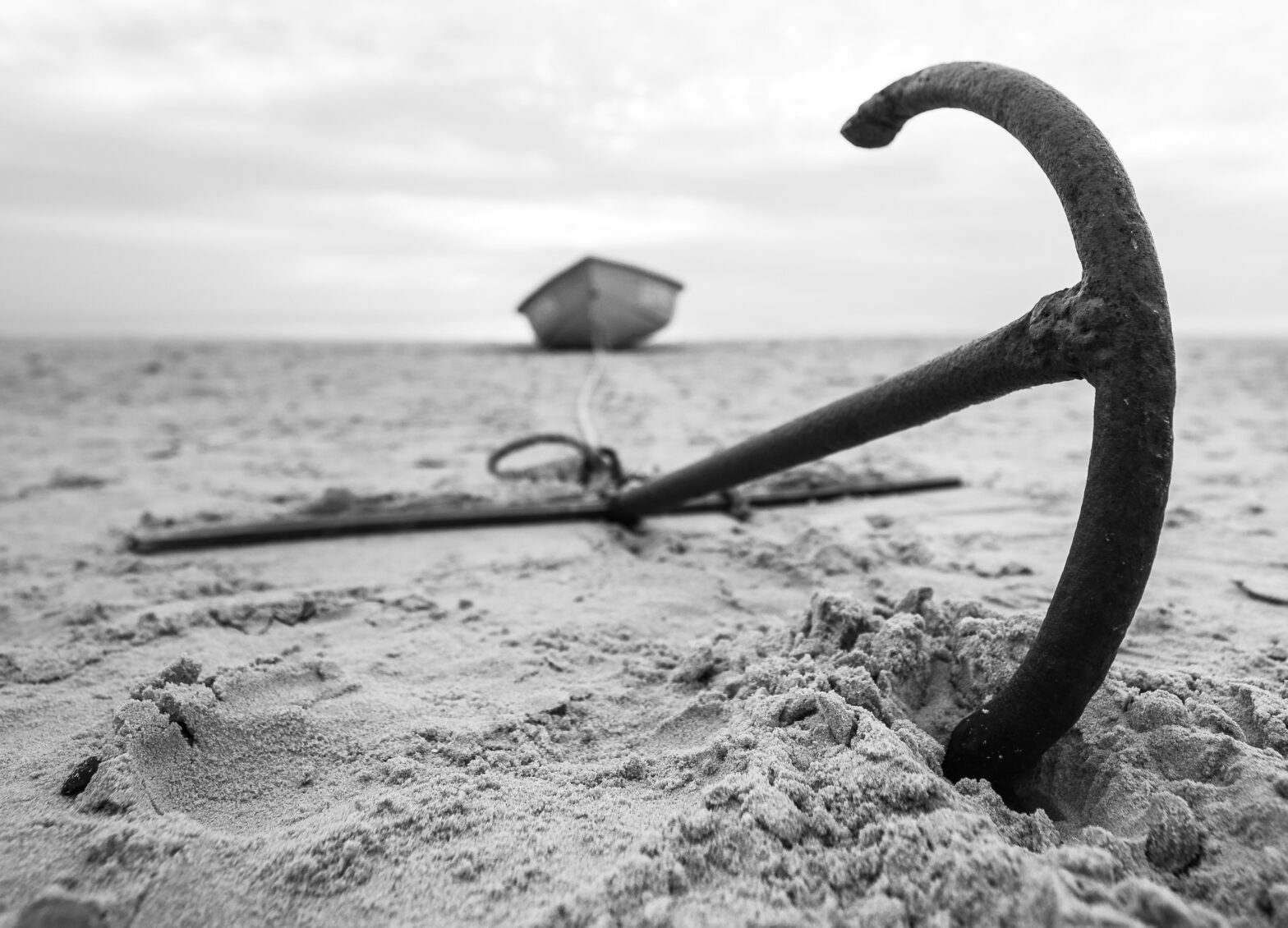
The second paragraph is the theological anchor. “This perseverance of the saints depends not upon their own free will, but upon the immutability of the decree of election.”
If perseverance depended on our free will, we would fall every hour. Our wills are fickle; God’s will is rock-solid. The Confession grounds our security in the entire Trinity:
- The Father: It flows from His “free and unchangeable love.” God does not love us today and hate us tomorrow (Jer. 31:3).
- The Son: It depends on “the efficacy of the merit and intercession of Jesus Christ.” Jesus paid for our sins—past, present, and future. Furthermore, He is praying for us right now. As He told Peter, “I have prayed for you that your faith may not fail” (Luke 22:32).
- The Spirit: It depends on “the abiding of the Spirit, and of the seed of God within them.” The Spirit is the seal of our inheritance (Eph. 1:13–14). He does not move into a house only to be evicted by our sin.
Because the Covenant of Grace is a promise God makes to Himself to save us (Jer. 32:40), the certainty of our salvation arises from His character, not ours.
The Reality of Backsliding (WCF 17.3)
However, the Confession is brutally realistic about the Christian life. While we cannot fall away, we can certainly fall. “They may, through the temptations of Satan… and the neglect of the means of their preservation, fall into grievous sins; and, for a time, continue therein.”
We need only look at King David (adultery and murder) or Peter (denial of Christ) to know this is true. When a believer falls into sin, they do not lose their salvation, but they lose almost everything else. The consequences listed are severe:
- Divine Displeasure: They “incur God’s displeasure.” He is still their Father, but He is an angry Father.
- Internal Misery: They “grieve His Holy Spirit” and have “their consciences wounded.”
- Spiritual Deadness: They are “deprived of some measure of their graces and comforts” and have “their hearts hardened.”
- External Consequences: They “hurt and scandalize others” and bring “temporal judgments upon themselves.”
God will not let His children sin successfully. He will break their bones to save their souls (Ps. 51:8). But even in the depths of this discipline, the root of the matter remains in them, and they will, by God’s grace, be restored to repentance.
Conclusion
The doctrine of Perseverance is a “fighting doctrine.” It does not tell us to relax because we are safe; it tells us to fight because victory is assured. It explains why we continue to believe year after year, despite our failures and the world’s attacks. We persevere only because we are preserved. We hold on to Him only because He is holding on to us. As Paul triumphantly declares, “He who began a good work in you will bring it to completion at the day of Jesus Christ” (Phil. 1:6).
Key Terms
- Perseverance of the Saints: The doctrine that true believers, by the grace of God, will remain in a state of grace to the end of their lives and will never be lost.
- Preservation: The divine side of the coin; God keeps His people.
- Perseverance: The human side of the coin; God’s people keep the faith. (We persevere because we are preserved).
- Total Fall: A complete loss of all grace and faith (impossible for the elect).
- Final Fall: Dying in a state of unrepentant sin (impossible for the elect).
- Temporal Judgments: Discipline inflicted by God in this life (sickness, loss, emotional distress) to correct His children, distinct from eternal condemnation.