
We have arrived at the most somber chapter of our “Non-Negotiable Rejections.” We have dismantled the Stoic’s impersonal God, his prideful self-sufficiency, and his small goal of tranquility. We have insisted that evil is real and must be fought with hope, not resignation. But now we must confront the final, logical conclusion of the Stoic… Continue reading The Problem of Suicide: A Point of No Return
Category: Apologetics & Polemics
The Problem of Evil: Stoic Resignation vs. the Hope of Glory

We have spent the last few articles rejecting the errors of Stoicism—its impersonal God, its idol of self-sufficiency, and its small goal of tranquility. Now we come to the place where philosophy hits the hardest reality of human existence: Suffering. Every man, if he lives long enough, will walk through the valley of the shadow of… Continue reading The Problem of Evil: Stoic Resignation vs. the Hope of Glory
The Theological Cost of ERAS

In the previous five articles, we have engaged in a forensic examination of the historical claims made by Owen Strachan. We have seen how citations from Augustine, Hodge, Vos, and Berkhof were mishandled, truncated, and stripped of their dogmatic context to support a view they explicitly rejected. But historical revisionism—as egregious as it is—is often… Continue reading The Theological Cost of ERAS
Tranquility Is Not Enough
We are nearing the end of our “Non-Negotiable Rejections.” We have looked the Stoic worldview in the eye and said “No” to its Impersonal God and “No” to its Autonomous Self. We have refused to trade our Father for a fire, or our dependence for pride. Now, we arrive at the final divergence. It is… Continue reading Tranquility Is Not Enough
Louis Berkhof and the Silver Bullet

We arrive now at the climax of our historical investigation. Of all the theologians cited by Owen Strachan in his 2021 defense of ERAS—and alluded to in his recent podcast appearance—none has been more directly influential in the American Reformed seminary context than Louis Berkhof. While it is perhaps an exaggeration to call Berkhof the… Continue reading Louis Berkhof and the Silver Bullet
The Subtle Serpent of Self-Sufficiency
In our last article, we drew a line in the sand regarding the doctrine of God. We rejected the cold, impersonal Logos of the Stoics in favor of the warm, sovereign fellowship of the Triune God. We established that we are not cogs in a machine, but sons of a Father. Now we must turn our gaze… Continue reading The Subtle Serpent of Self-Sufficiency
Geerhardus Vos and the Covenant of Redemption

Having examined Augustine and Hodge, we turn now to Geerhardus Vos, the father of Reformed Biblical Theology. Vos is a giant of the faith, known for his deep insight into the eschatological structure of Scripture. Owen Strachan appeals to Vos to demonstrate that the Reformed tradition has always held to the Son’s submission. However, Strachan’s… Continue reading Geerhardus Vos and the Covenant of Redemption
The Impersonal Logos vs. The Personal Trinity
For the past several weeks, we have been engaged in the delicate work of “plundering the Egyptians.” We have walked through the Stoic camp, identifying valuable tools—virtue, duty, the dichotomy of control, and the concept of things indifferent—and we have shown how, when rinsed in the waters of baptism, they can serve the Christian life.… Continue reading The Impersonal Logos vs. The Personal Trinity
Charles Hodge and the Nicene Taxis
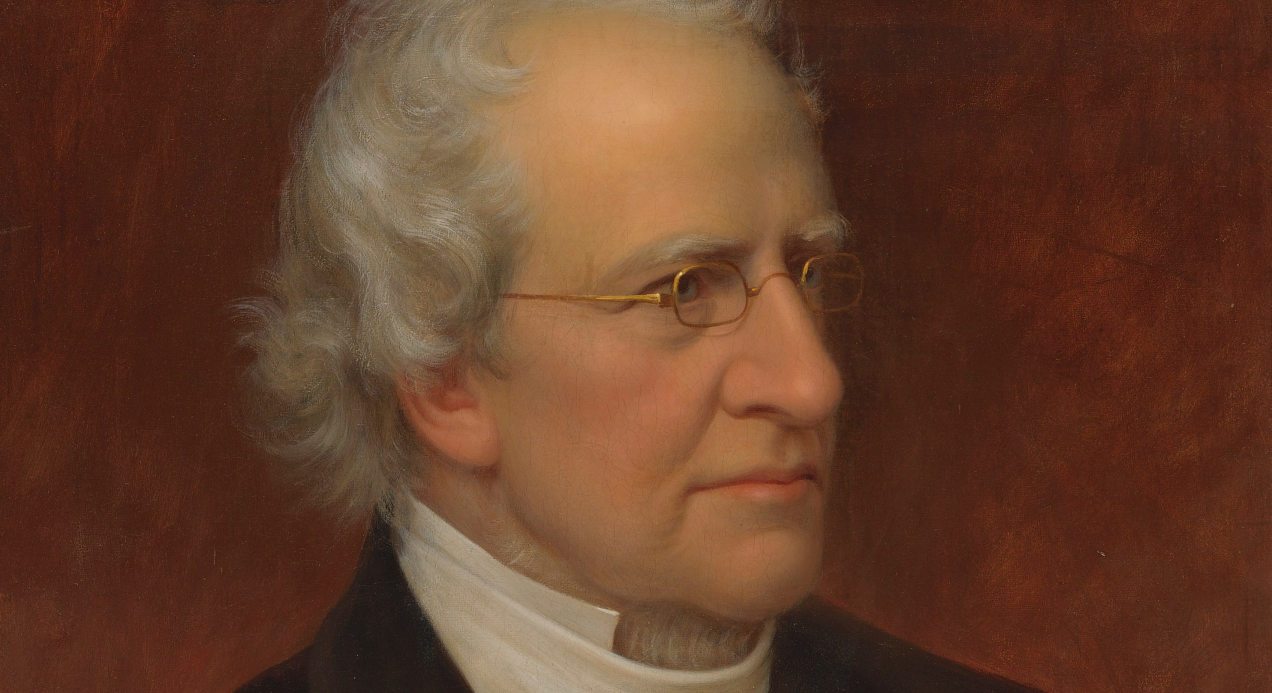
In our previous installments, we examined the flawed methodology of “Research by Ctrl+F” and the misuse of Augustine. Now, we move forward to the 19th century and the towering figure of Princeton theology: Charles Hodge. Owen Strachan includes Hodge in his list of witnesses, citing his Systematic Theology to argue that the subordination of the Son is… Continue reading Charles Hodge and the Nicene Taxis
Things Indifferent? Paul, Adiaphora, and the Christian Conscience
In our study so far, we have established the theological warrant for engaging with Stoicism: the doctrine of Common Grace. We have argued that we should “plunder the Egyptians,” taking the gold of pagan insight and refining it in the fire of Scripture. We saw the Apostle Paul model this generally on Mars Hill in… Continue reading Things Indifferent? Paul, Adiaphora, and the Christian Conscience