A day without structure is a day surrendered to chaos. If you wake up and immediately let the demands of the world—your email, the news, the urgent crises of others—dictate your attention, you will spend the next sixteen hours playing defense. You will be reactive, driven by your passions and the whims of circumstance. The… Continue reading The Morning and Evening Review: Bookending the Day with Grace
Category: Philosophy & Worldview
The Philosophical Diary as a Spiritual Journal
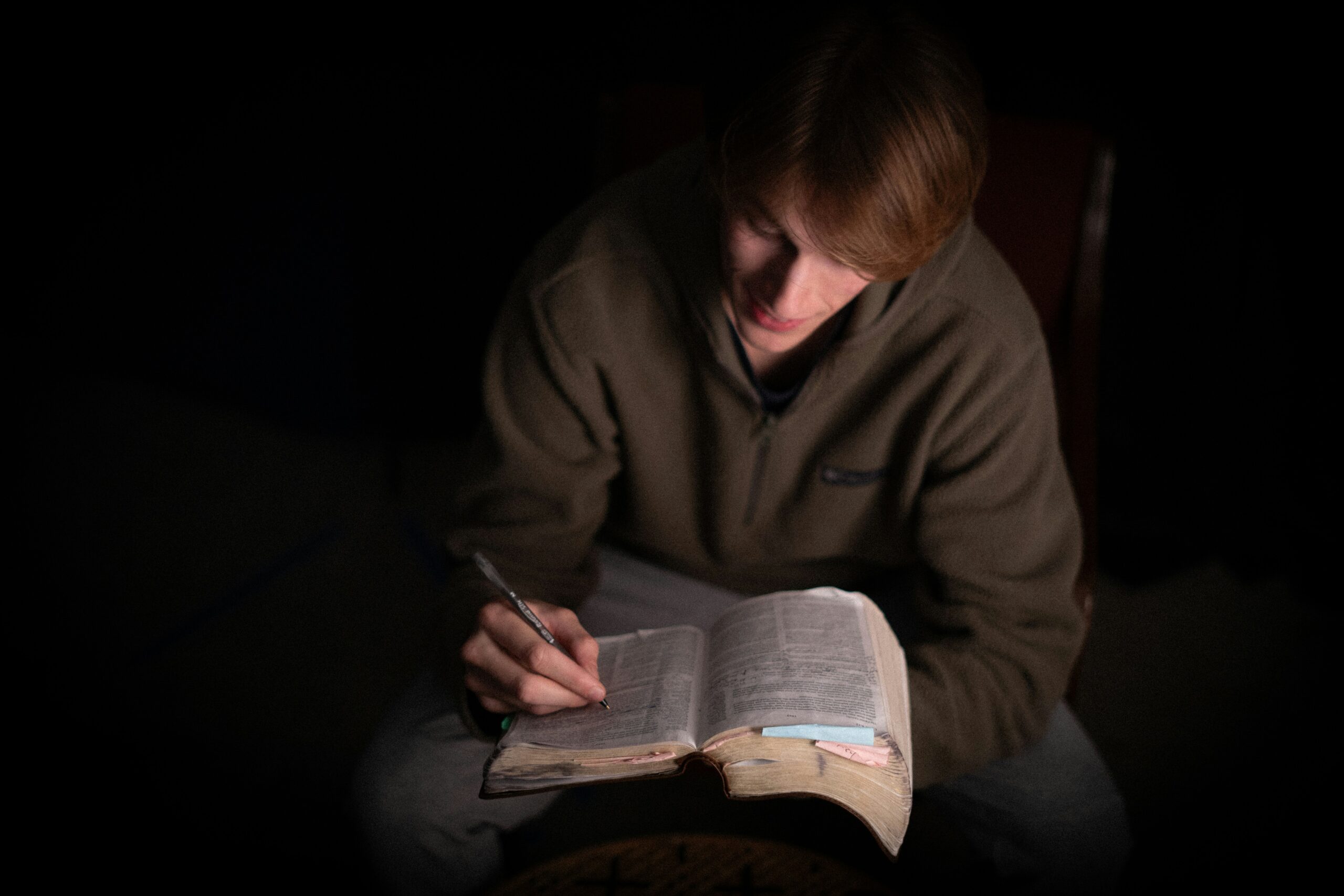
“The unexamined life is not worth living.” Socrates spoke these words at his trial, and the Stoics took them as a fundamental command. To live well, a man must pay attention to how he lives. He cannot drift. He must audit his own soul. The primary tool the Stoics used for this audit was the… Continue reading The Philosophical Diary as a Spiritual Journal
The Inner Citadel and the Indwelling Spirit

Throughout this series, we have encountered one of the most powerful and enduring metaphors in Stoic philosophy: the Inner Citadel. When Marcus Aurelius was surrounded by the chaos of the battlefield or the betrayal of his generals, he did not panic. He simply closed his eyes and retreated inward. He believed that deep within the human… Continue reading The Inner Citadel and the Indwelling Spirit
Cicero: A Bridge Between Worlds
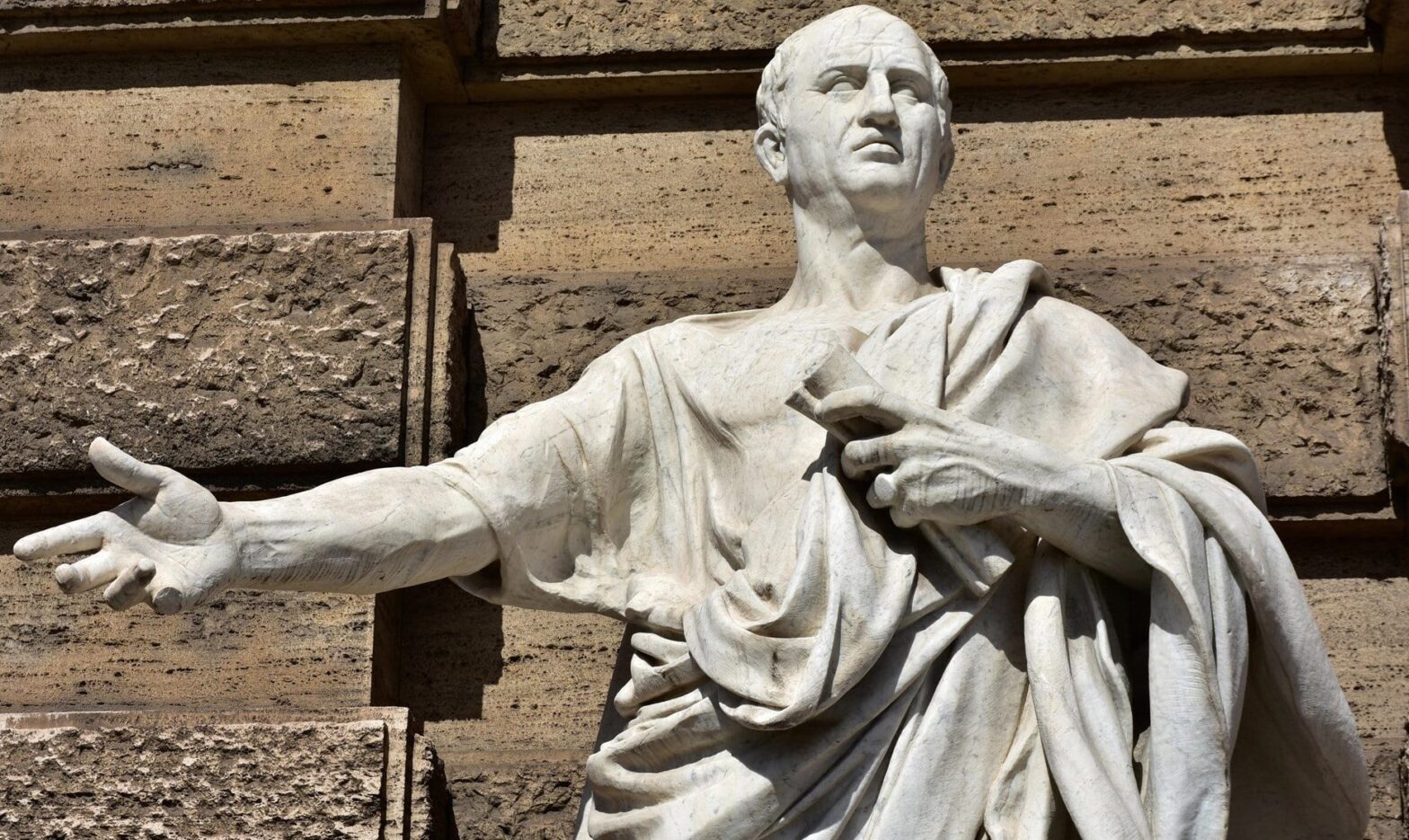
Before we step back to paint our final portrait of the Christian Stoic man, there is one last historical figure we must examine. He was not a Greek. He was not an Emperor. And technically, he was not even a strict Stoic. He was a Roman lawyer, a politician, and the greatest orator of antiquity: Marcus… Continue reading Cicero: A Bridge Between Worlds
Meditations of an Emperor, Confessions of a Saint: Marcus Aurelius and the Search for Inner Peace
We are drawing near the end of our journey. We have analyzed the philosophy, adopted the disciplines, and rejected the heresies. But before we paint our final portrait of the Christian Stoic, we must look at one last pairing of lives. On the nightstand of Western civilization, there are two small books that have comforted… Continue reading Meditations of an Emperor, Confessions of a Saint: Marcus Aurelius and the Search for Inner Peace
The Enchiridion and the Pilgrim’s Handbook: Epictetus’s Rules for Life, Refined by Grace
We have spent the last few articles wrestling with giants—rejecting the cold theology of the Stoics, grappling with the tragedy of Seneca, and staring down the temptation of self-sufficiency. But Stoicism was never meant to remain in the ivory tower. It was designed for the street fight of daily life. To end our practical exploration,… Continue reading The Enchiridion and the Pilgrim’s Handbook: Epictetus’s Rules for Life, Refined by Grace
Reading Seneca in the Shadow of the Cross: A Christian Appraisal of a Moral Master
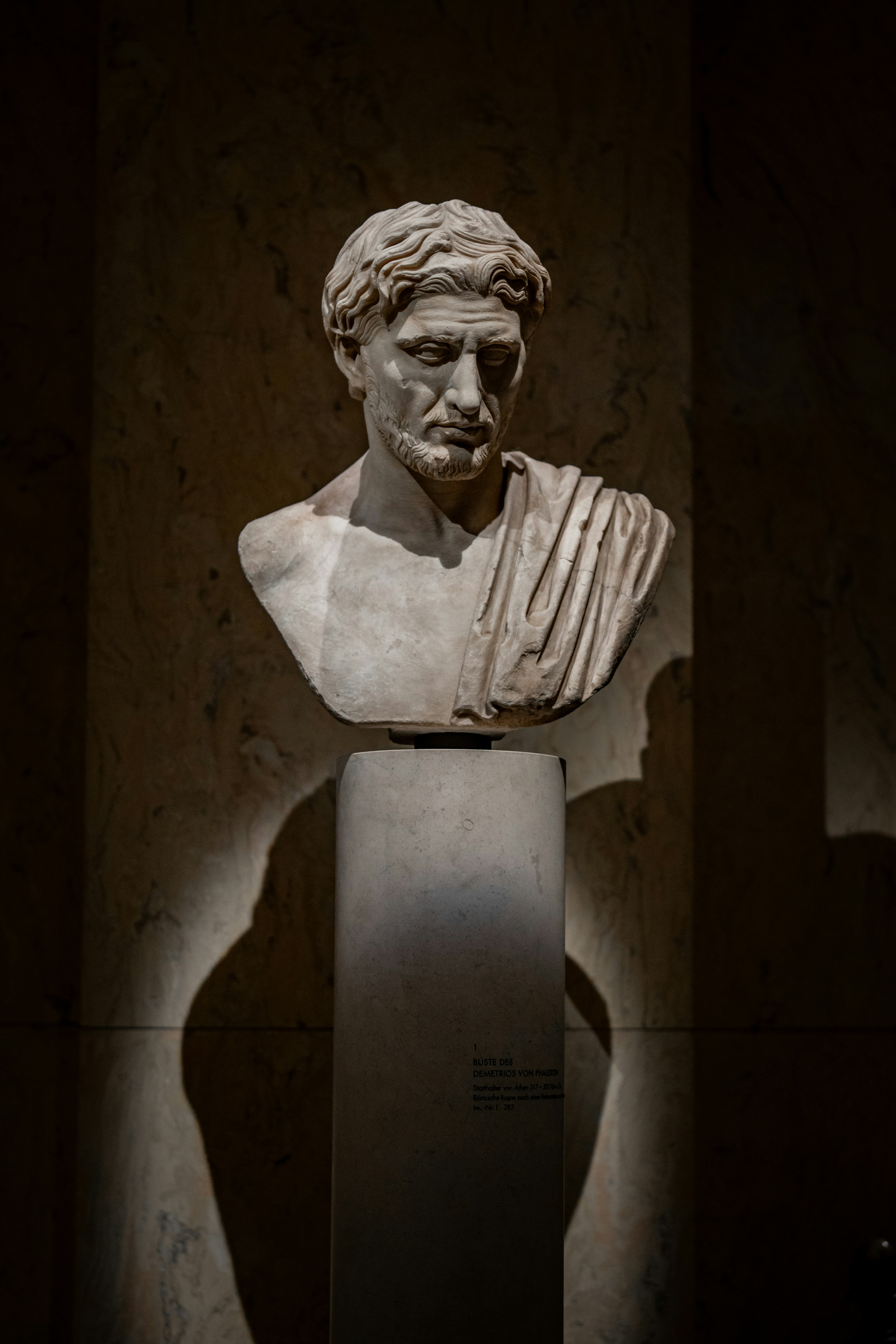
We have spent much of this series dealing with the ideas of Stoicism—the Logos, the Dichotomy of Control, the goal of Tranquility. But philosophies do not float in the ether; they are lived by men. And few men lived the Stoic philosophy with as much brilliance, contradiction, and tragedy as Lucius Annaeus Seneca (c. 4 BC – AD 65).… Continue reading Reading Seneca in the Shadow of the Cross: A Christian Appraisal of a Moral Master
The Problem of Suicide: A Point of No Return
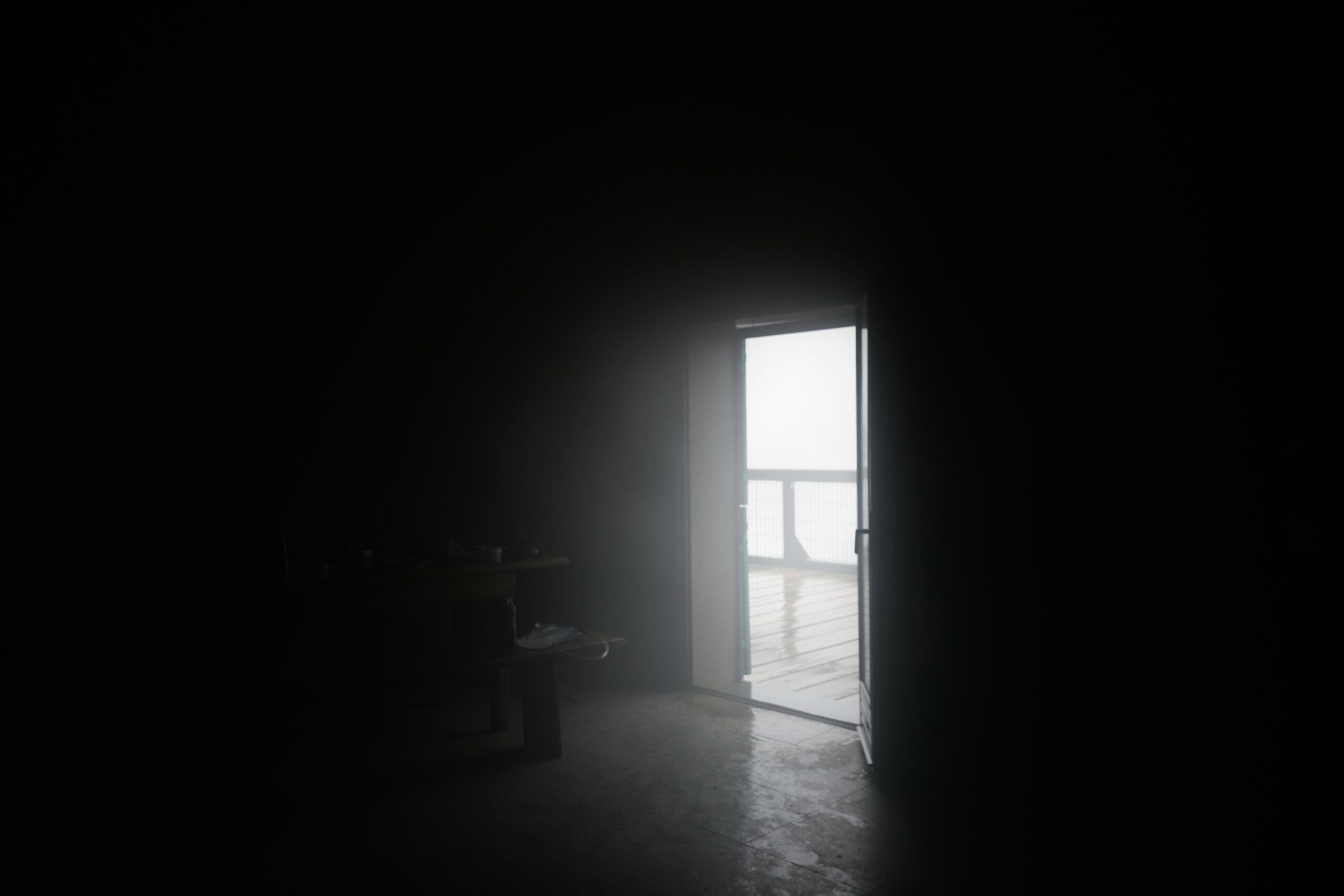
We have arrived at the most somber chapter of our “Non-Negotiable Rejections.” We have dismantled the Stoic’s impersonal God, his prideful self-sufficiency, and his small goal of tranquility. We have insisted that evil is real and must be fought with hope, not resignation. But now we must confront the final, logical conclusion of the Stoic… Continue reading The Problem of Suicide: A Point of No Return
The Problem of Evil: Stoic Resignation vs. the Hope of Glory
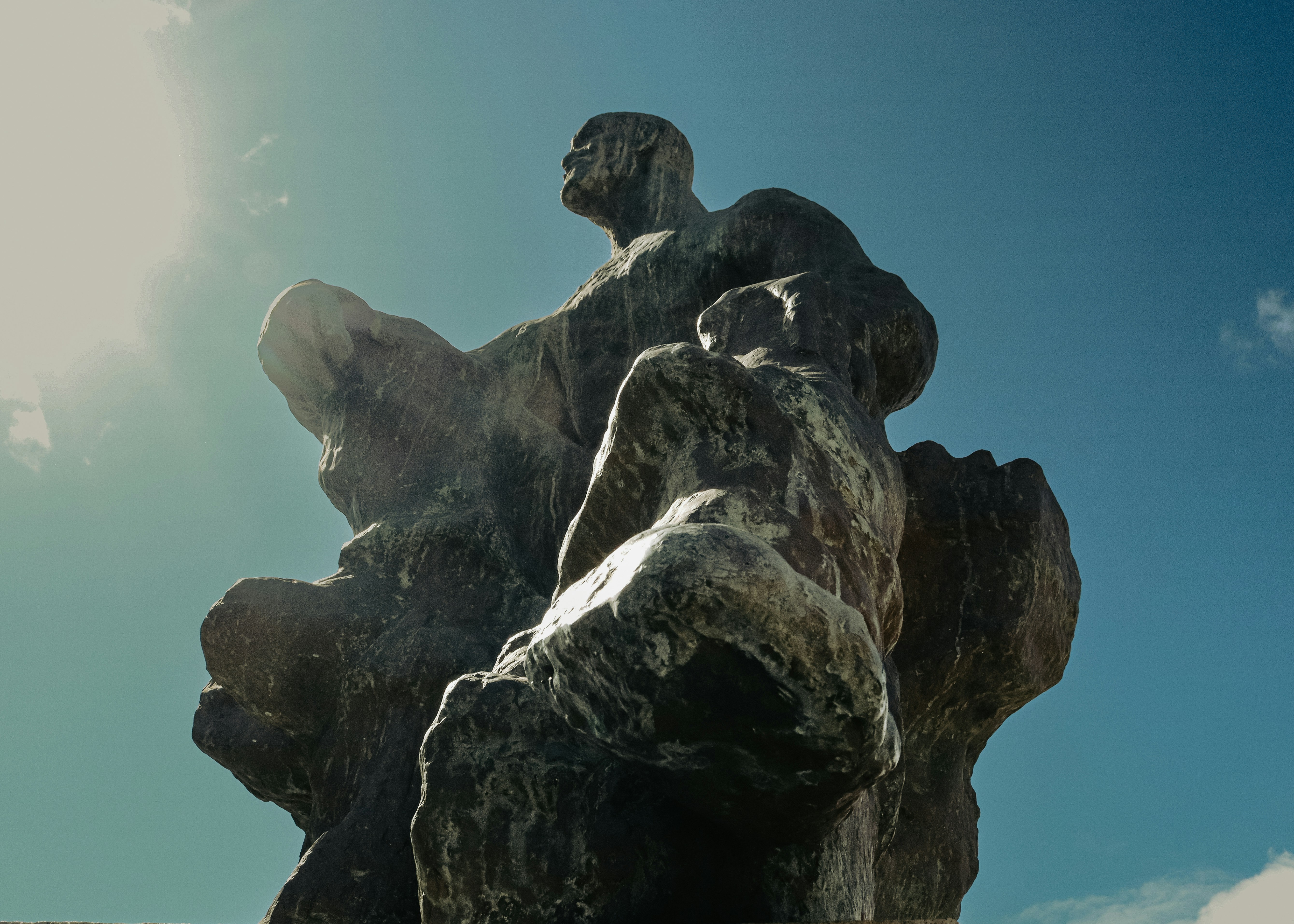
We have spent the last few articles rejecting the errors of Stoicism—its impersonal God, its idol of self-sufficiency, and its small goal of tranquility. Now we come to the place where philosophy hits the hardest reality of human existence: Suffering. Every man, if he lives long enough, will walk through the valley of the shadow of… Continue reading The Problem of Evil: Stoic Resignation vs. the Hope of Glory
Tranquility Is Not Enough
We are nearing the end of our “Non-Negotiable Rejections.” We have looked the Stoic worldview in the eye and said “No” to its Impersonal God and “No” to its Autonomous Self. We have refused to trade our Father for a fire, or our dependence for pride. Now, we arrive at the final divergence. It is… Continue reading Tranquility Is Not Enough