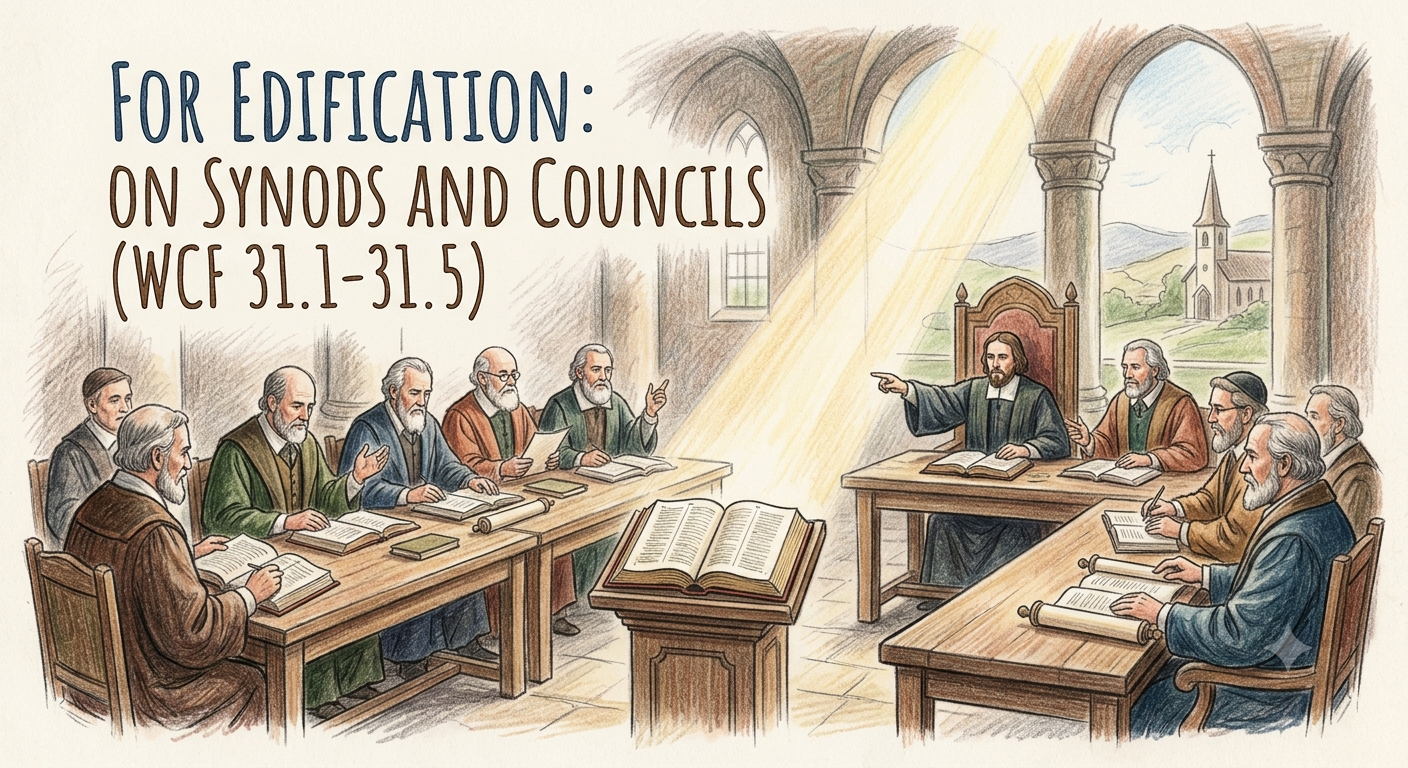
In the previous chapter, we saw that Christ has appointed a government for His Church, placed in the hands of church officers. But how far does that government extend? Does a local congregation operate entirely on its own, completely independent of all other churches? Or is it part of a broader, connected body? In Chapter… Continue reading For Edification: On Synods and Councils (WCF 31.1–31.5)
The Voice Is Jacob’s Voice: Deception, Blessing, and Bitterness (Gen. 27:1–46)
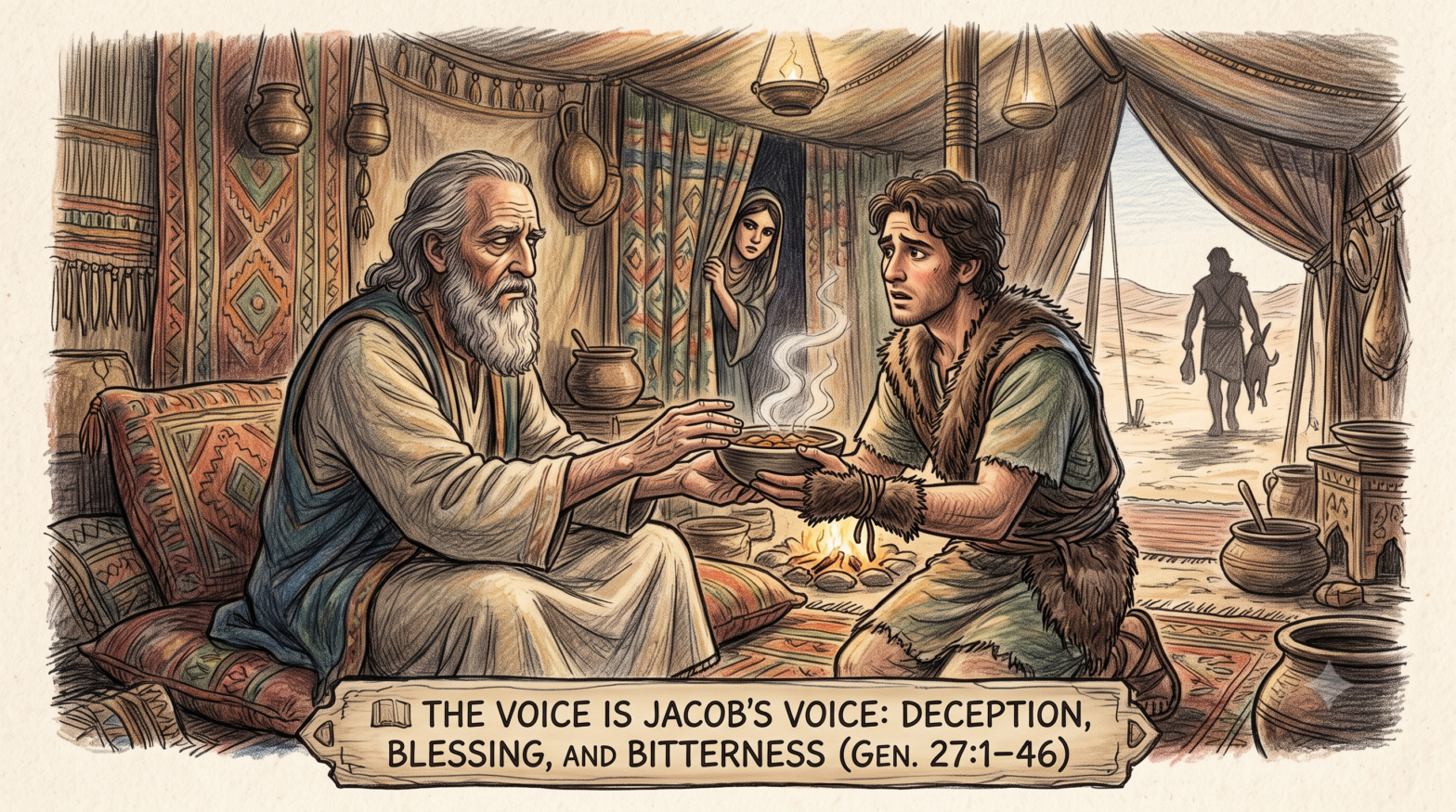
Loved ones, if you ever need proof that the Bible is not a sanitized book of fairy tales, look no further than Genesis 27. This chapter is a masterclass in human dysfunction. We are invited into the private tent of the patriarchs to witness a family completely tearing itself apart. In this story, there are… Continue reading The Voice Is Jacob’s Voice: Deception, Blessing, and Bitterness (Gen. 27:1–46)
The Household of Faith: Doing Systematic Theology as Church Dogmatics
We live in an era that worships the autonomous self. From our personalized social media algorithms to our “build-your-own” spirituality, the modern West is deeply committed to the myth of the self-made man. We are told that true authenticity requires us to shed the baggage of the past, reject institutional authority, and discover our own… Continue reading The Household of Faith: Doing Systematic Theology as Church Dogmatics
The Keys of the Kingdom: On Church Discipline (WCF 30.1–30.4)
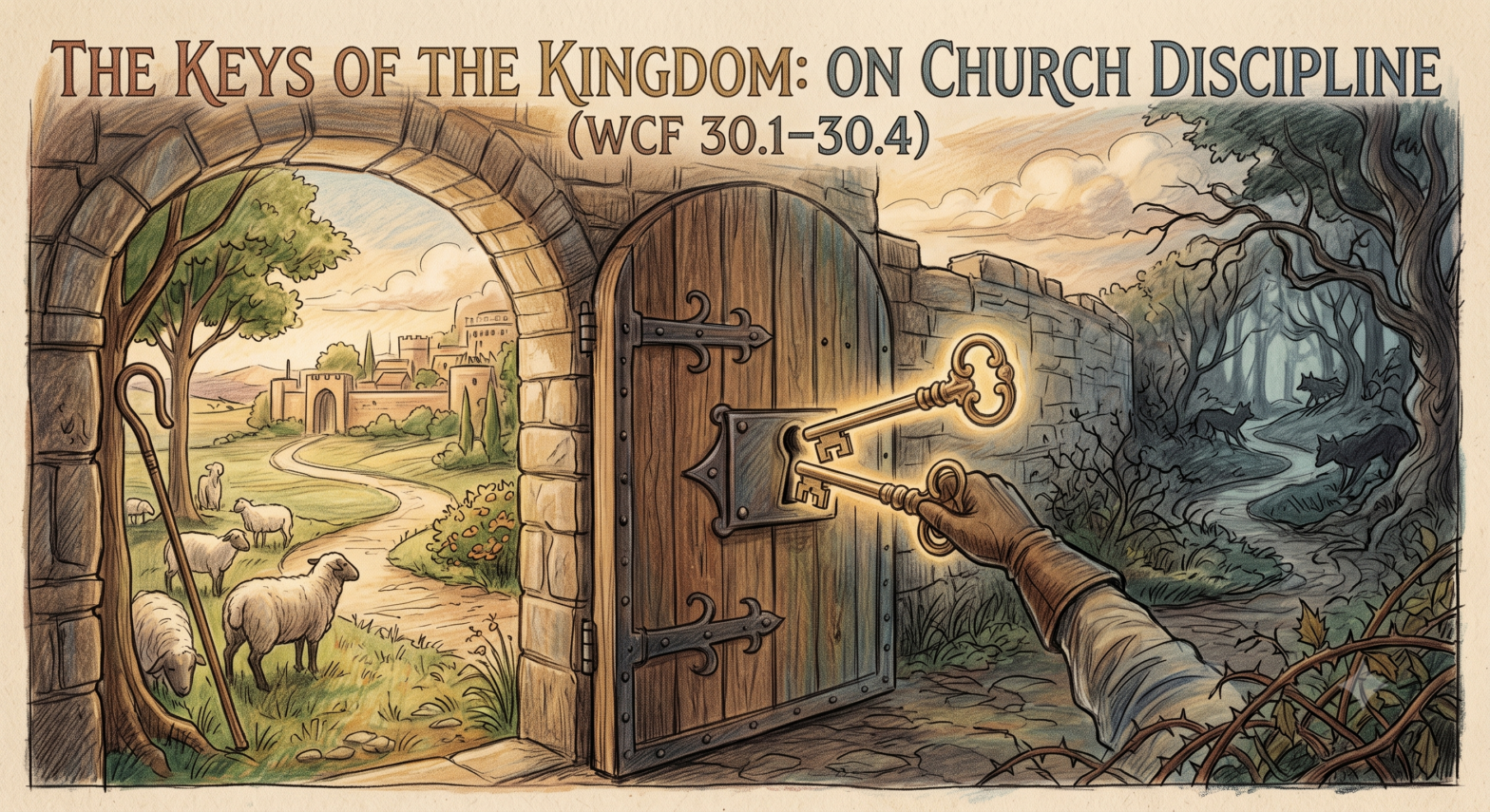
In modern evangelicalism, the concept of “church discipline” has almost entirely vanished. To the modern ear, discipline sounds harsh, judgmental, and fundamentally unloving. Because many view the church merely as a voluntary club or a weekly inspirational gathering, the idea that church leaders have actual, binding authority over someone’s life feels deeply offensive. However, the… Continue reading The Keys of the Kingdom: On Church Discipline (WCF 30.1–30.4)
The Sins of the Father: Isaac’s Inheritance of Blessing and Failure (Gen. 26:1–35)
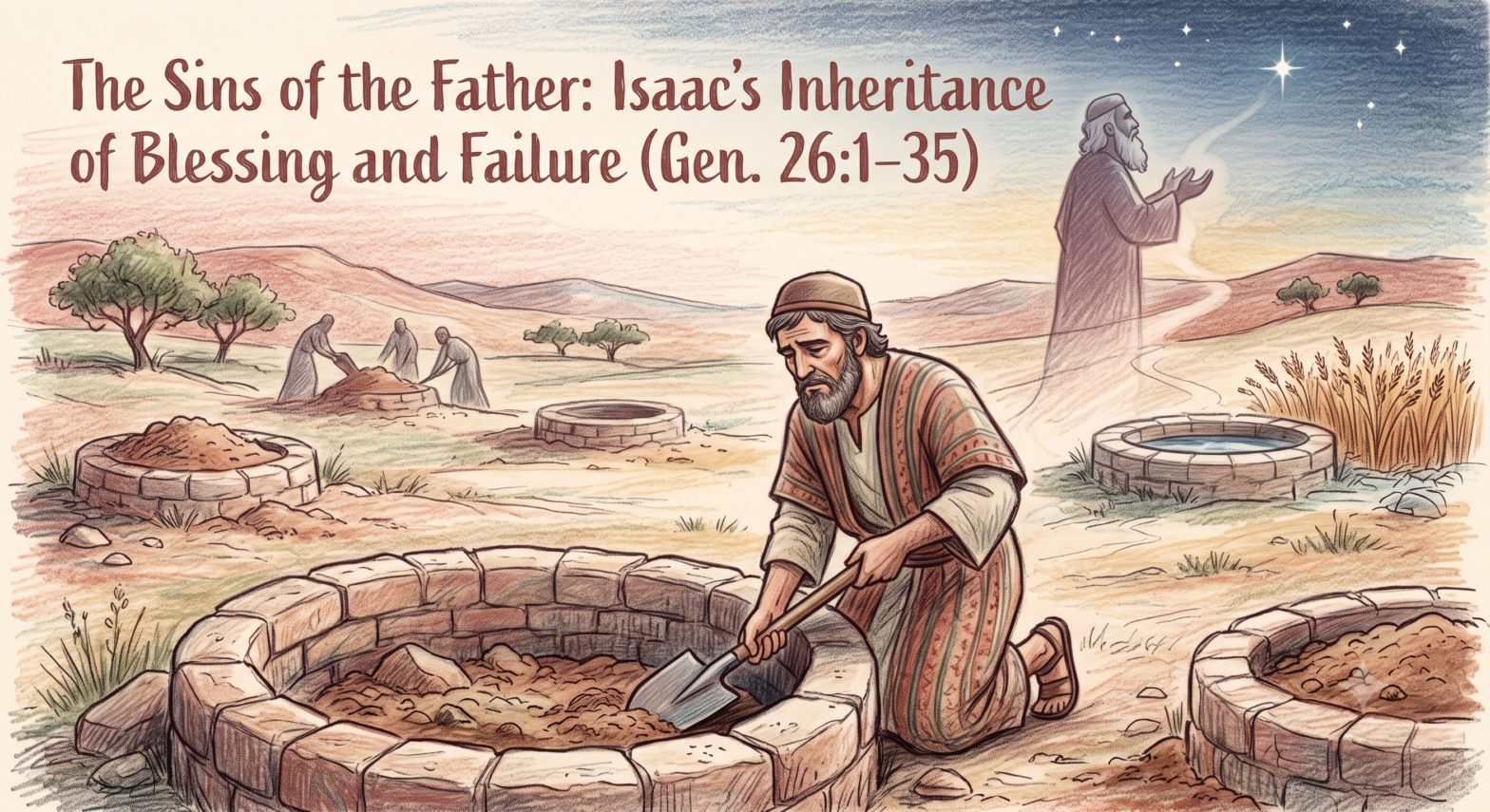
Loved ones, one of the most sobering realities of parenting is seeing your own flaws mirrored in your children. We pass down our eye color and our physical traits, but all too often, we also pass down our anxieties, our coping mechanisms, and our sins. Genesis 26 is the only chapter in the Bible dedicated… Continue reading The Sins of the Father: Isaac’s Inheritance of Blessing and Failure (Gen. 26:1–35)
The Infinite Gulf: The Creator-Creature Distinction and the Limits of Human Knowledge
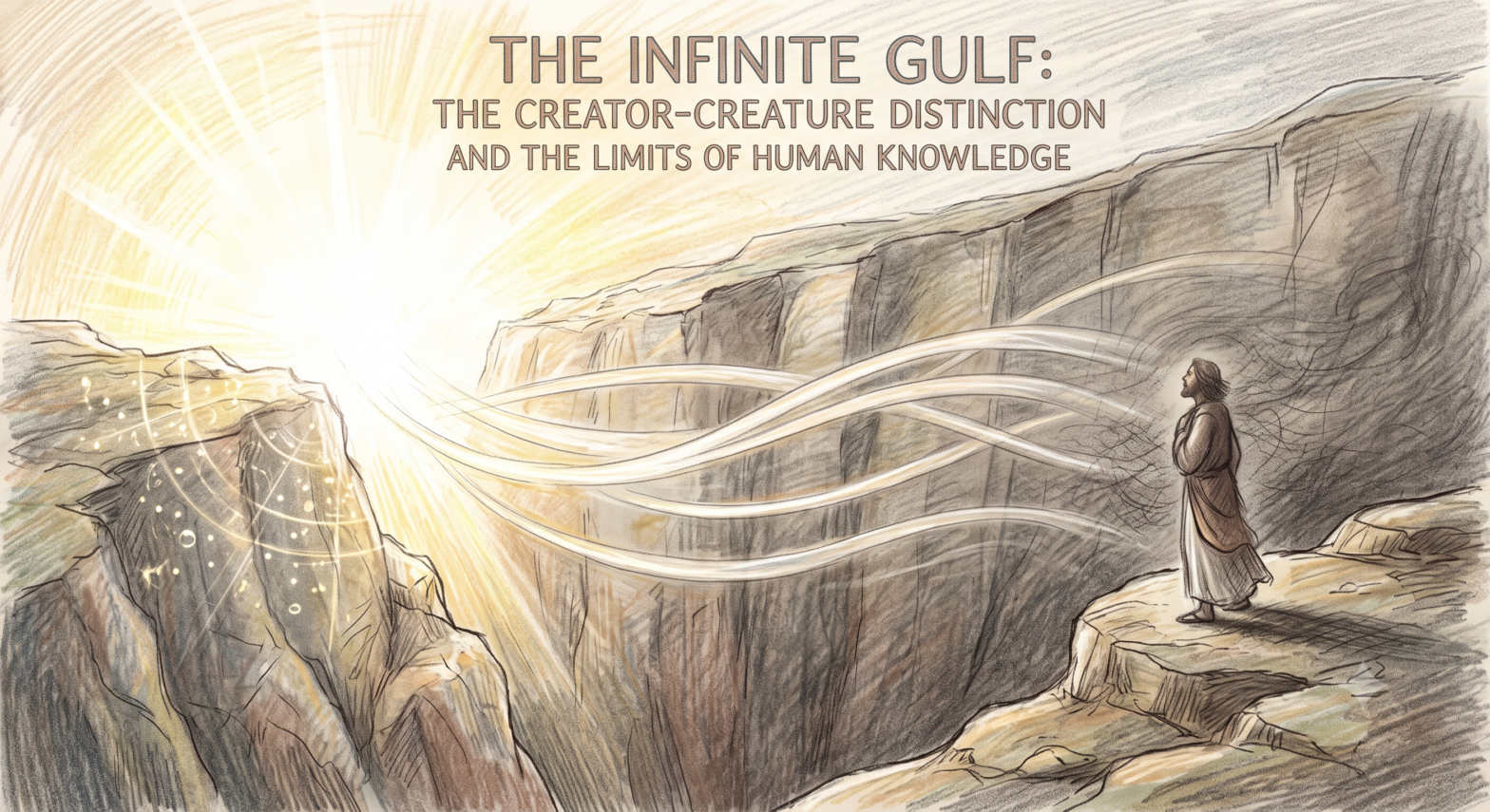
We live in an age that hates boundaries. Modern philosophy, secular psychology, and even much of contemporary Christian spirituality are deeply committed to flattening the cosmos. We are told that the divine is a force we can tap into, that the universe is an extension of our own consciousness, or that God is essentially a… Continue reading The Infinite Gulf: The Creator-Creature Distinction and the Limits of Human Knowledge
The Case Against Paedocommunion (WLC 171–177)
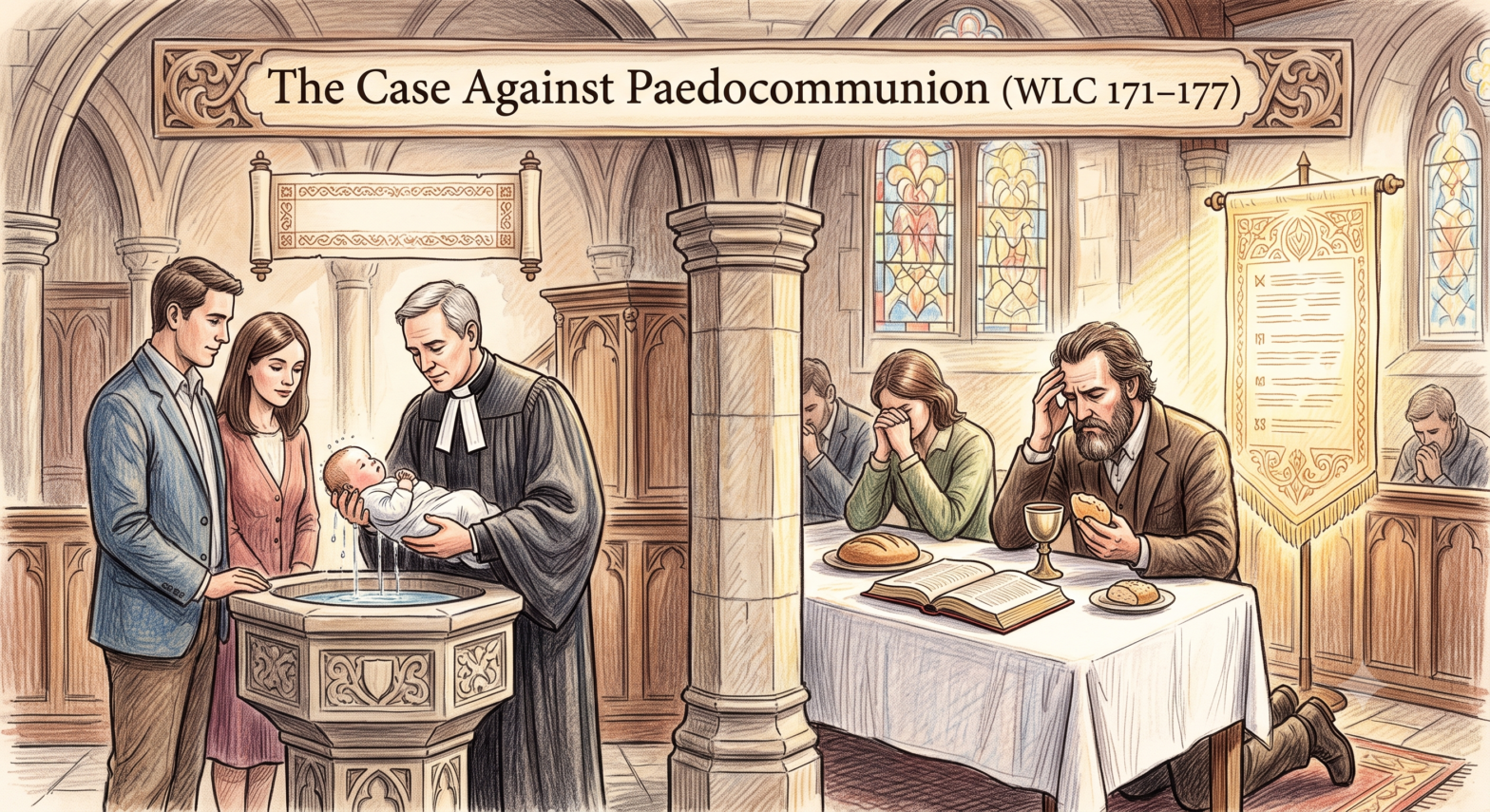
Because the Reformed tradition vigorously defends the baptism of infants (paedobaptism), a natural question often arises: If we baptize our children, why do we not also give them the Lord’s Supper? In recent decades, a minority within the Reformed camp (often associated with the Federal Vision movement) has advocated for Paedocommunion—the practice of serving the bread and wine… Continue reading The Case Against Paedocommunion (WLC 171–177)
Spiritual Nourishment: On Receiving the Lord’s Supper (WCF 29.5–29.8)
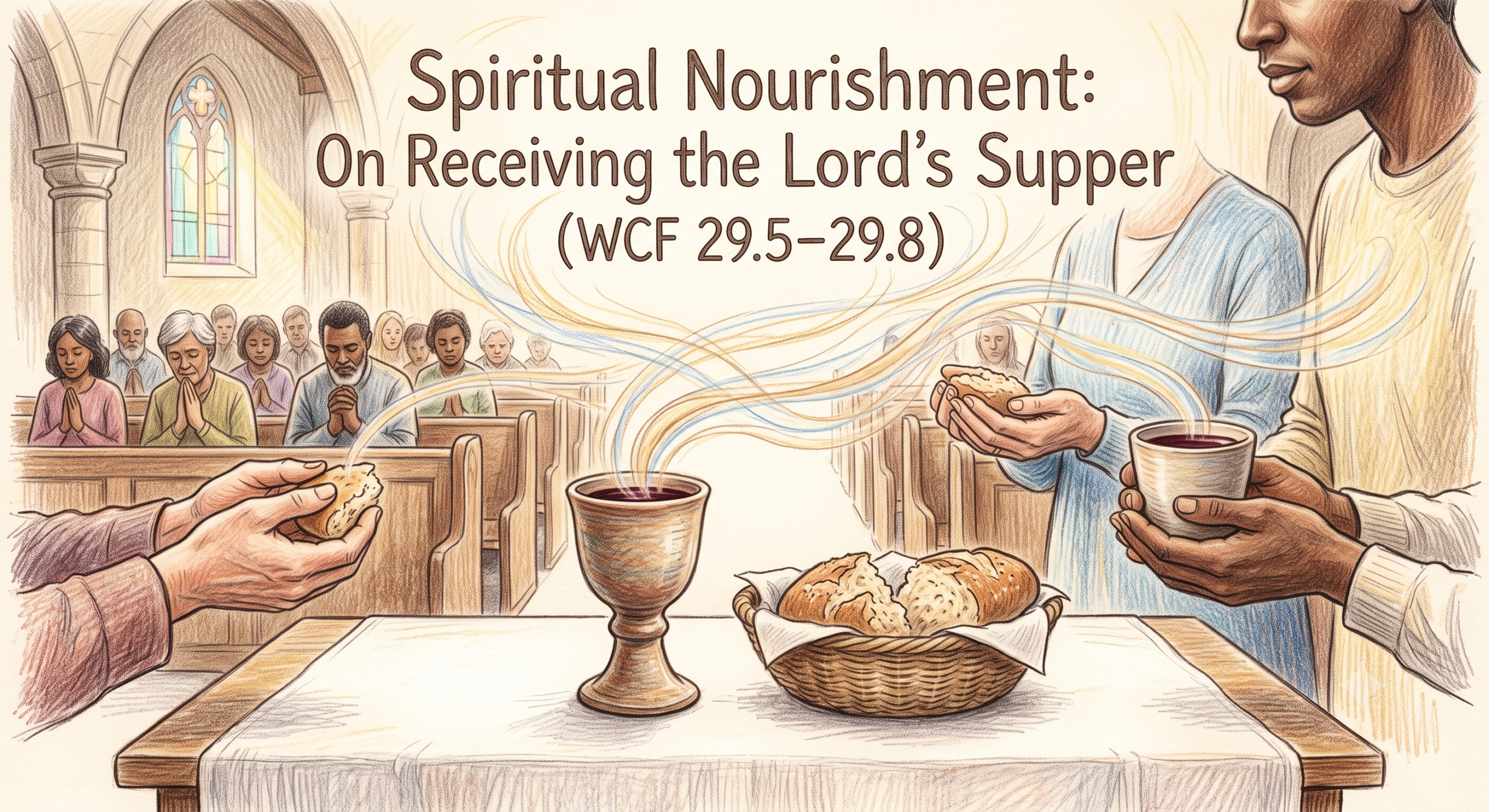
Throughout church history, no doctrine has been more fiercely debated than the Lord’s Supper. During the Reformation, the exact nature of Christ’s presence in the bread and wine was the ultimate theological dividing line, permanently fracturing the movement into different traditions. What exactly happens when a Christian eats the bread and drinks the wine? Is… Continue reading Spiritual Nourishment: On Receiving the Lord’s Supper (WCF 29.5–29.8)
Two Nations in Your Womb: The Struggle of Esau and Jacob (Gen. 25:19–34)
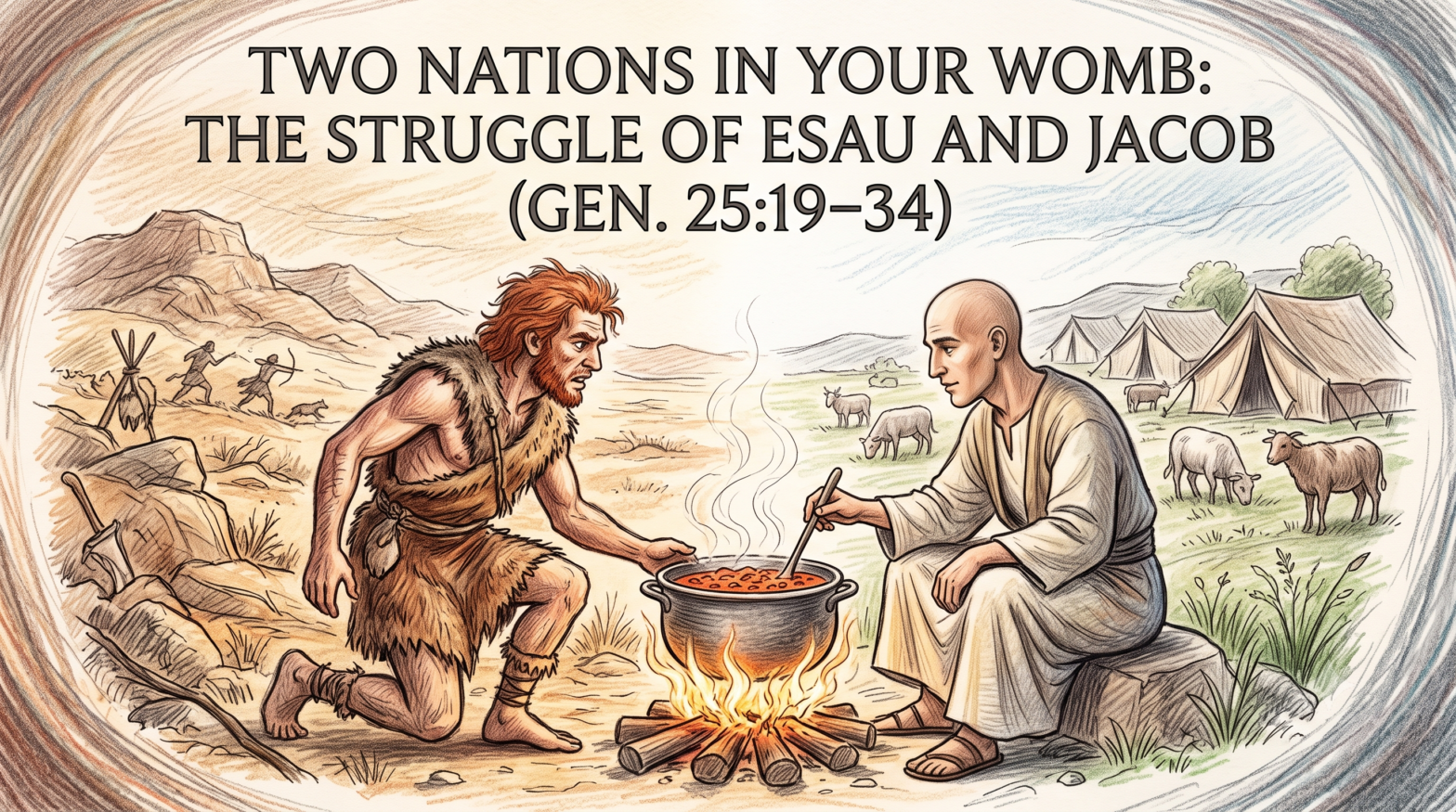
Loved ones, as we transition from the life of Abraham to the life of Isaac, we might expect the narrative to settle into a peaceful rhythm. The Promised Land is before them, the wealth is secured, and the pagan nations are kept at bay. Yet, we quickly discover that the greatest threats to the covenant… Continue reading Two Nations in Your Womb: The Struggle of Esau and Jacob (Gen. 25:19–34)
The Divine Goal: Theology Leads to God (Ad Deum Ducit)
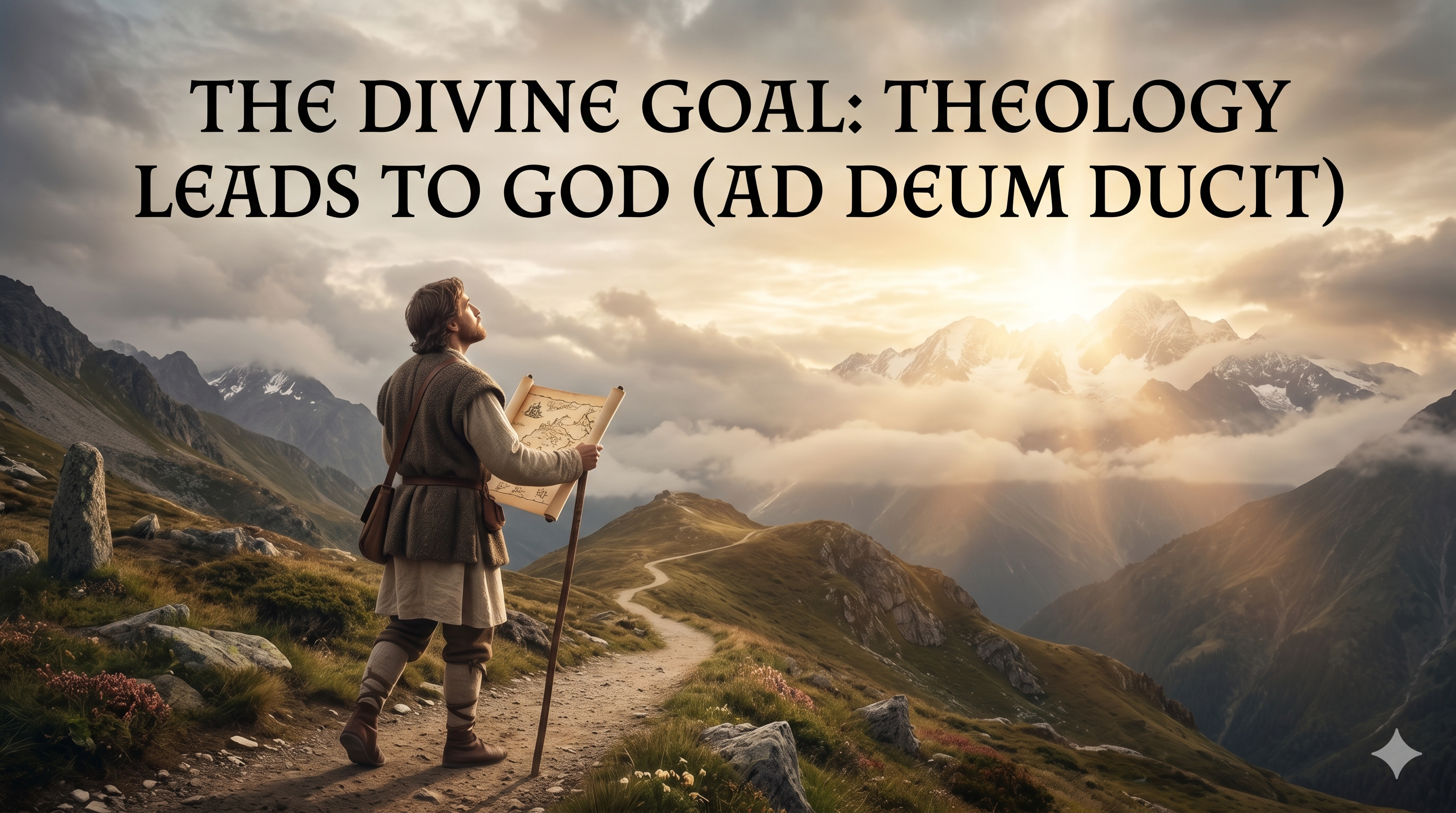
We live in an era characterized by a tragic divorce. In the modern church, we have allowed a devastating wall to be erected between the mind and the heart, between the study of doctrine and the pursuit of holiness. On one side of this wall stands a cold, detached academicism that treats the deep things… Continue reading The Divine Goal: Theology Leads to God (Ad Deum Ducit)