In our last article, we drew a line in the sand regarding the doctrine of God. We rejected the cold, impersonal Logos of the Stoics in favor of the warm, sovereign fellowship of the Triune God. We established that we are not cogs in a machine, but sons of a Father. Now we must turn our gaze… Continue reading The Subtle Serpent of Self-Sufficiency
Author: Tony Arsenal
Geerhardus Vos and the Covenant of Redemption
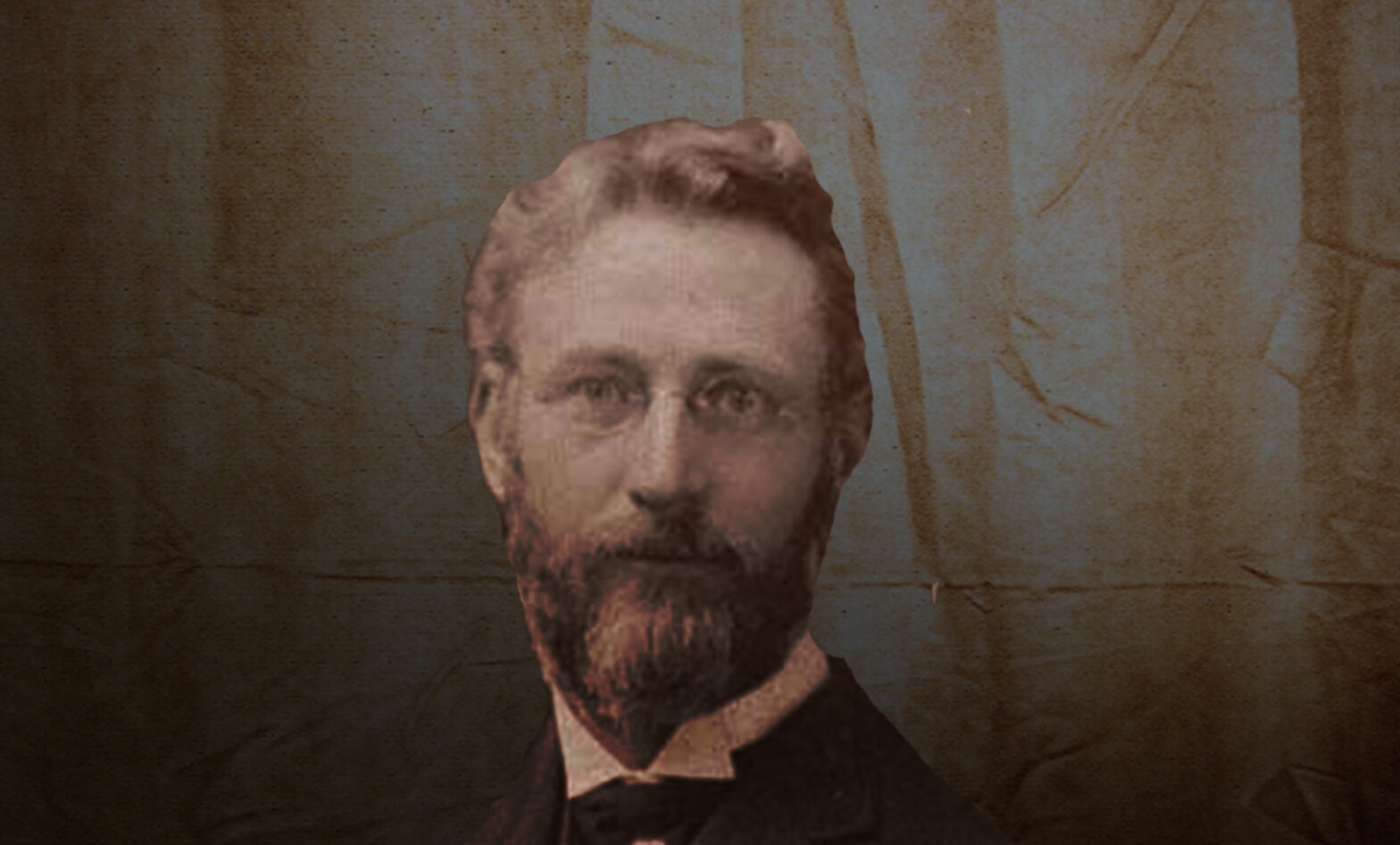
Having examined Augustine and Hodge, we turn now to Geerhardus Vos, the father of Reformed Biblical Theology. Vos is a giant of the faith, known for his deep insight into the eschatological structure of Scripture. Owen Strachan appeals to Vos to demonstrate that the Reformed tradition has always held to the Son’s submission. However, Strachan’s… Continue reading Geerhardus Vos and the Covenant of Redemption
Heirs of God: On the Grace of Adoption (WCF 12.1)

In Chapter 11, we stood in the divine courtroom. We saw the Judge bang the gavel and declare the guilty sinner “Righteous” based on the work of Christ. That is the glory of Justification—it settles our legal status. But God does not merely release us from the dock and tell us to go live our… Continue reading Heirs of God: On the Grace of Adoption (WCF 12.1)
The Unbroken Line: From Shem to the Threshold of Promise (Gen. 11:10-32)
Loved ones, we have just witnessed the collapse of the world’s first empire. At Babel, humanity shouted, “Let us make a name for ourselves,” and God answered with confusion and dispersion. The camera of Scripture panned out to show us a world scattered and divided by language. It was a scene of judgment and chaos.… Continue reading The Unbroken Line: From Shem to the Threshold of Promise (Gen. 11:10-32)
The Impersonal Logos vs. The Personal Trinity
For the past several weeks, we have been engaged in the delicate work of “plundering the Egyptians.” We have walked through the Stoic camp, identifying valuable tools—virtue, duty, the dichotomy of control, and the concept of things indifferent—and we have shown how, when rinsed in the waters of baptism, they can serve the Christian life.… Continue reading The Impersonal Logos vs. The Personal Trinity
Charles Hodge and the Nicene Taxis
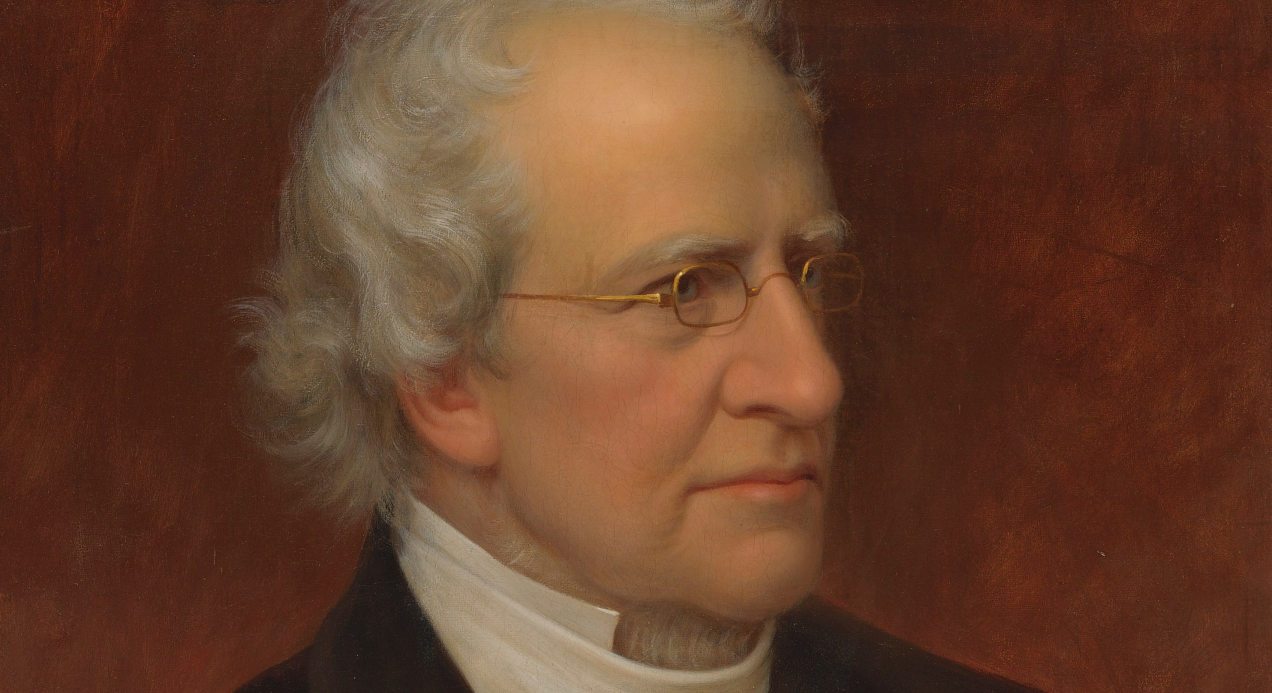
In our previous installments, we examined the flawed methodology of “Research by Ctrl+F” and the misuse of Augustine. Now, we move forward to the 19th century and the towering figure of Princeton theology: Charles Hodge. Owen Strachan includes Hodge in his list of witnesses, citing his Systematic Theology to argue that the subordination of the Son is… Continue reading Charles Hodge and the Nicene Taxis
Counted Righteous: On the Doctrine of Justification (WCF 11.1–11.6)

In Chapter 10, we witnessed the miracle of the New Birth. God, by His sovereign grace, drags the corpse from the grave, giving a new heart and a renewed will. But a question remains: The sinner is now alive, but is he righteous? He may have a new heart, but he still has a criminal record.… Continue reading Counted Righteous: On the Doctrine of Justification (WCF 11.1–11.6)
Let Us Make a Name for Ourselves: The Folly and Fall of Babel (Gen. 11:1–9)

Loved ones, we have reached the end of the beginning. Genesis 1 through 11, often called the “Primeval History,” charts the course of the world from the heights of creation to the depths of the Fall, through the judgment of the Flood, and now to the scattering of the nations. We stand at a critical… Continue reading Let Us Make a Name for Ourselves: The Folly and Fall of Babel (Gen. 11:1–9)
Upside-Down Glory
Read the Word Philippians 1:27–2:11 (ESV) 27 Only let your manner of life be worthy of the gospel of Christ, so that whether I come and see you or am absent, I may hear of you that you are standing firm in one spirit, with one mind striving side by side for the faith of the gospel, 28 and… Continue reading Upside-Down Glory
Things Indifferent? Paul, Adiaphora, and the Christian Conscience
In our study so far, we have established the theological warrant for engaging with Stoicism: the doctrine of Common Grace. We have argued that we should “plunder the Egyptians,” taking the gold of pagan insight and refining it in the fire of Scripture. We saw the Apostle Paul model this generally on Mars Hill in… Continue reading Things Indifferent? Paul, Adiaphora, and the Christian Conscience