We have now reached the final stage of our demolition work. In this series, we have engaged in a presuppositional critique of the Stoic worldview, testing the structural integrity of its ethics and its epistemology. We have seen that the Stoics wanted a moral law without a Lawgiver (ethics) and a trustworthy reason without a… Continue reading A Universe of Chance or a Created Order?
Author: Tony Arsenal
In the Beginning, God: On the Work of Creation (WCF 4.1–4.2)

Having established the eternal decree by which God ordained all things, the Confession now turns to the first outworking of that decree in history: the act of creation. This is where God’s eternal purpose breaks forth into temporal reality. The doctrine of creation is the starting point for the entire biblical narrative and the necessary… Continue reading In the Beginning, God: On the Work of Creation (WCF 4.1–4.2)
The Weight of Forever: Why We Cannot Annihilate Hell
A Difficult Conversation I grew up watching Kirk Cameron. For many of us in the Reformed camp, he wasn’t just a sitcom star from the 80s; he became a bold, articulate voice for the gospel in a culture that increasingly despised it. His work in The Way of the Master with Ray Comfort taught a generation of… Continue reading The Weight of Forever: Why We Cannot Annihilate Hell
…And He Died: Mortality and Mercy in the Line of Seth (Gen. 5:1–32)
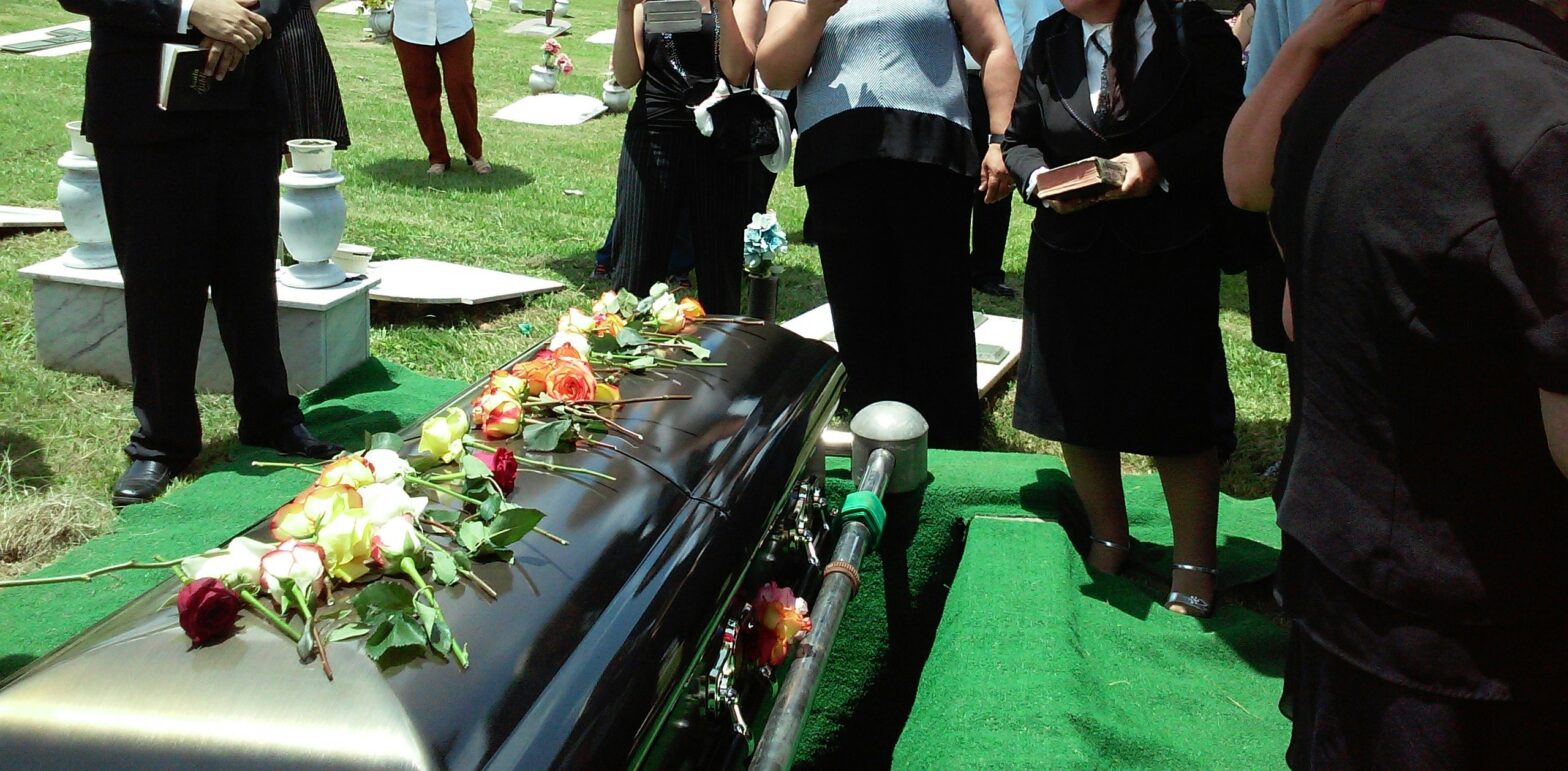
Loved ones, if Genesis 4 was the noise of the city, Genesis 5 is the silence of the graveyard. We have just witnessed the explosion of human civilization in the line of Cain—a culture of iron, music, polygamy, and vengeance. It was impressive, loud, and seemingly unstoppable. But now, the narrative slows down. The camera… Continue reading …And He Died: Mortality and Mercy in the Line of Seth (Gen. 5:1–32)
Whose Reason? Which Logos?

In our previous article, we exposed the fatal crack in the foundation of Stoic ethics. We demonstrated that their noble pursuit of virtue was ultimately unintelligible because it demanded a moral law without a moral Lawgiver. They wanted the fruit of righteousness without the root of a personal God. But the Stoic might object. He… Continue reading Whose Reason? Which Logos?
The Unfolding Plan: On Predestination and Providence (WCF 3.5–3.8)

In the previous article, we stood at the edge of the precipice, looking down into the deep canyon of God’s eternal decree. We established that God has unchangeably ordained “whatsoever comes to pass” and has specifically predestined a definite number of angels and men to eternal life. But this raises immediate and practical questions: On what… Continue reading The Unfolding Plan: On Predestination and Providence (WCF 3.5–3.8)
A Tale of Two Cities: The Lines of Cain and Seth (Gen. 4:17–26)
Loved ones, we left the last chapter with a grim picture. Cain, the first murderer, is condemned to be a fugitive and a wanderer on the earth, cursed from the very ground his brother’s blood had stained. Yet, he is also marked by God’s strange mercy, preserved from immediate vengeance. The question that hangs in the air… Continue reading A Tale of Two Cities: The Lines of Cain and Seth (Gen. 4:17–26)
The Unintelligible Virtue of the Stoics

In our previous articles, we have laid the necessary groundwork for this series. We have diagnosed the fragility of our age, excavated the historical foundations of the Stoa, and established our theological warrant for engaging this pagan philosophy through the doctrine of General Revelation. We have argued that where the Stoics stumbled upon truth, they… Continue reading The Unintelligible Virtue of the Stoics
From Everlasting: On God’s Eternal Decree (WCF 3.1–3.4)

From the majestic heights of God’s being in Chapter Two, the Westminster Confession descends into the profound depths of God’s will in Chapter Three. Having told us who God is, it now explains what God has eternally purposed to do. We are entering into one of the great mysteries of the faith: the doctrine of God’s eternal decree. This… Continue reading From Everlasting: On God’s Eternal Decree (WCF 3.1–3.4)
Am I My Brother’s Keeper?: Cain, Abel, and the Cry of Blood (Gen. 4:1–16)

Loved ones, we now stand outside the garden. The world is cursed, the ground is hostile, and our first parents are clothed in skins that serve as a constant, grim reminder of their sin and God’s provision. Yet, in the midst of this darkness, there was a promise—a whispered hope of a “seed” of the… Continue reading Am I My Brother’s Keeper?: Cain, Abel, and the Cry of Blood (Gen. 4:1–16)