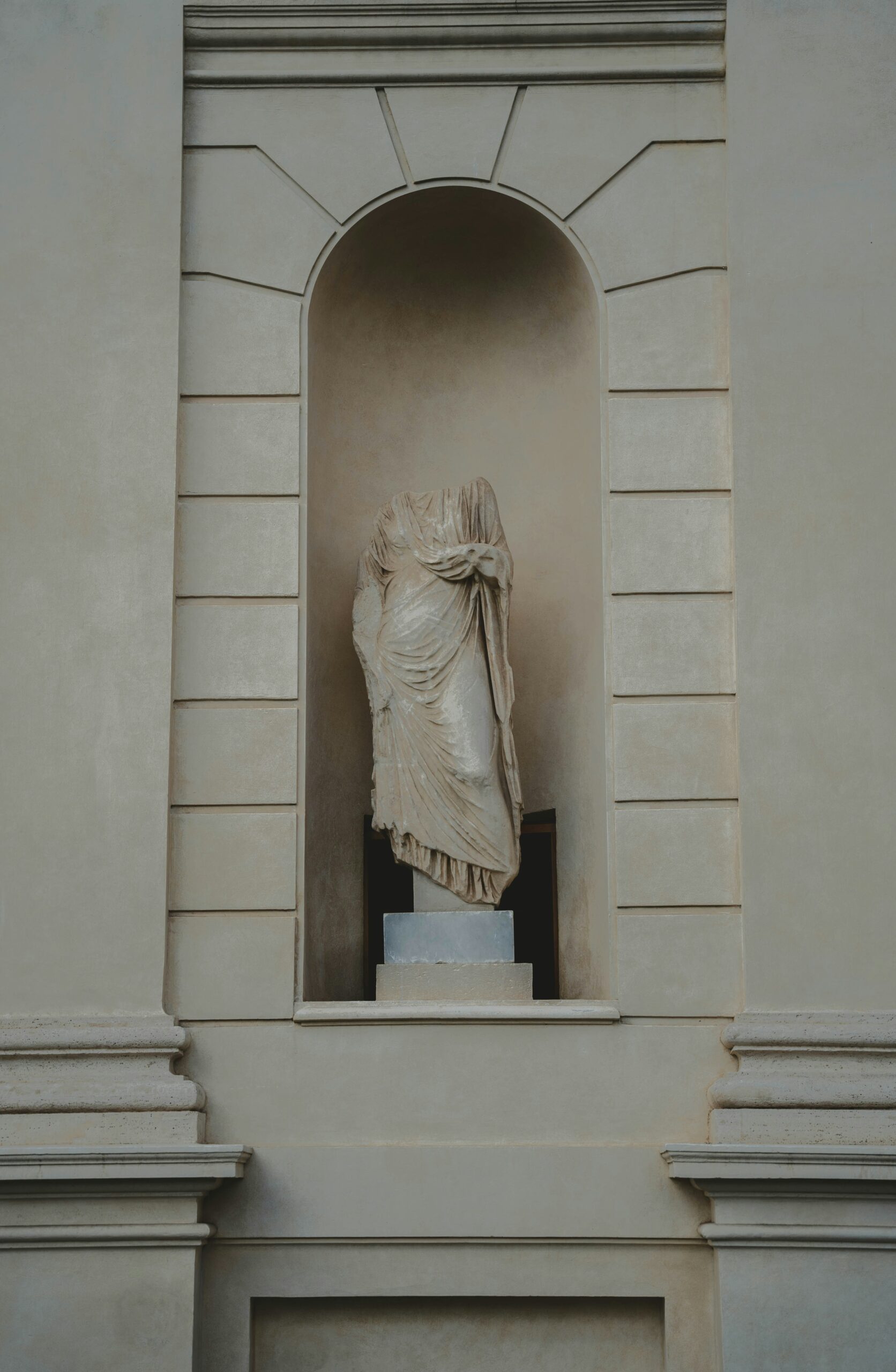
We are drawing near the end of our journey. We have analyzed the philosophy, adopted the disciplines, and rejected the heresies. But before we paint our final portrait of the Christian Stoic, we must look at one last pairing of lives. On the nightstand of Western civilization, there are two small books that have comforted… Continue reading Meditations of an Emperor, Confessions of a Saint: Marcus Aurelius and the Search for Inner Peace
Author: Tony Arsenal
A Certain Hope: On the Assurance of Salvation (WCF 18.1–18.4)

In Chapter 17, we established the objective fact of the Perseverance of the Saints: if you are in Christ, you are safe forever. But there is a massive difference between being safe and feeling safe. A passenger on a sturdy ship may be perfectly secure, yet terrified that the ship is sinking. This brings us to Chapter 18 and… Continue reading A Certain Hope: On the Assurance of Salvation (WCF 18.1–18.4)
“According to the Flesh”: The Folly of Hagar and Sarai (Gen. 16:1–16)

Loved ones, in our last study, we witnessed the pinnacle of Abram’s faith. We saw God walk through the pieces of the sacrifice alone, taking the full weight of the covenant onto His own shoulders. Abram believed, and it was counted to him as righteousness. It was a moment of profound spiritual certainty. But faith… Continue reading “According to the Flesh”: The Folly of Hagar and Sarai (Gen. 16:1–16)
The Enchiridion and the Pilgrim’s Handbook: Epictetus’s Rules for Life, Refined by Grace

We have spent the last few articles wrestling with giants—rejecting the cold theology of the Stoics, grappling with the tragedy of Seneca, and staring down the temptation of self-sufficiency. But Stoicism was never meant to remain in the ivory tower. It was designed for the street fight of daily life. To end our practical exploration,… Continue reading The Enchiridion and the Pilgrim’s Handbook: Epictetus’s Rules for Life, Refined by Grace
Kept by His Power: On the Perseverance of the Saints (WCF 17.1–17.3)

We have traced the golden chain of salvation from God’s eternal election, through His effectual calling, to justification, adoption, and the ongoing work of sanctification. But a terrifying question often haunts the sensitive conscience: “I have been saved today, but what about tomorrow? What if I sin so badly that I lose my salvation? What… Continue reading Kept by His Power: On the Perseverance of the Saints (WCF 17.1–17.3)
A Smoking Fire Pot and a Flaming Torch: The Weight of a Divine Oath (Gen. 15:1–21)

Loved ones, we have reached what many theologians consider the “Holy of Holies” of the Old Testament. In the previous chapter, Abram was a warrior-king, defeating eastern empires and receiving a blessing from Melchizedek. He had rejected the riches of Sodom, choosing to rely solely on the “Possessor of heaven and earth.” But as the… Continue reading A Smoking Fire Pot and a Flaming Torch: The Weight of a Divine Oath (Gen. 15:1–21)
Reading Seneca in the Shadow of the Cross: A Christian Appraisal of a Moral Master
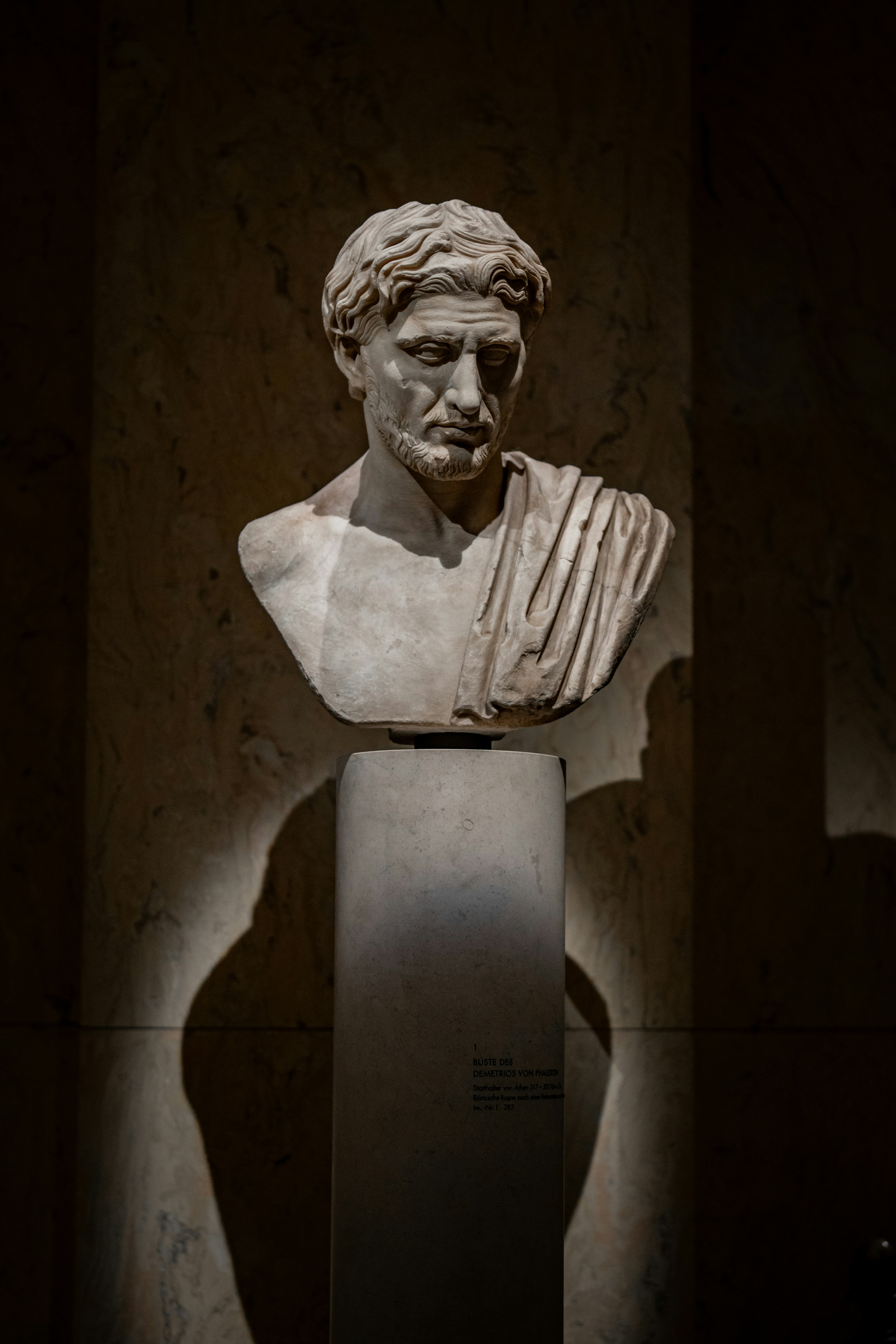
We have spent much of this series dealing with the ideas of Stoicism—the Logos, the Dichotomy of Control, the goal of Tranquility. But philosophies do not float in the ether; they are lived by men. And few men lived the Stoic philosophy with as much brilliance, contradiction, and tragedy as Lucius Annaeus Seneca (c. 4 BC – AD 65).… Continue reading Reading Seneca in the Shadow of the Cross: A Christian Appraisal of a Moral Master
The Fruit of Faith: On the Nature of Good Works (WCF 16.1–16.7)

We have established that we are justified by faith alone (Chapter 11) and that we cannot even turn to God without His enabling grace (Chapters 10 & 14). This leads to an inevitable objection, one that Paul faced in Rome and Luther faced in Germany: “If I am saved entirely by what Christ did, does… Continue reading The Fruit of Faith: On the Nature of Good Works (WCF 16.1–16.7)
The King of Salem: A Priest, a Patriarch, and a Tithe (Gen. 14:1–24)
Loved ones, the life of faith is rarely quiet for long. In the previous chapter, we saw Abram acting as a peacemaker, separating from Lot to avoid strife. He settled by the oaks of Mamre, building an altar in the quiet hill country of Hebron. But Genesis 14 shatters that peace. The narrative camera suddenly… Continue reading The King of Salem: A Priest, a Patriarch, and a Tithe (Gen. 14:1–24)
The Problem of Suicide: A Point of No Return

We have arrived at the most somber chapter of our “Non-Negotiable Rejections.” We have dismantled the Stoic’s impersonal God, his prideful self-sufficiency, and his small goal of tranquility. We have insisted that evil is real and must be fought with hope, not resignation. But now we must confront the final, logical conclusion of the Stoic… Continue reading The Problem of Suicide: A Point of No Return