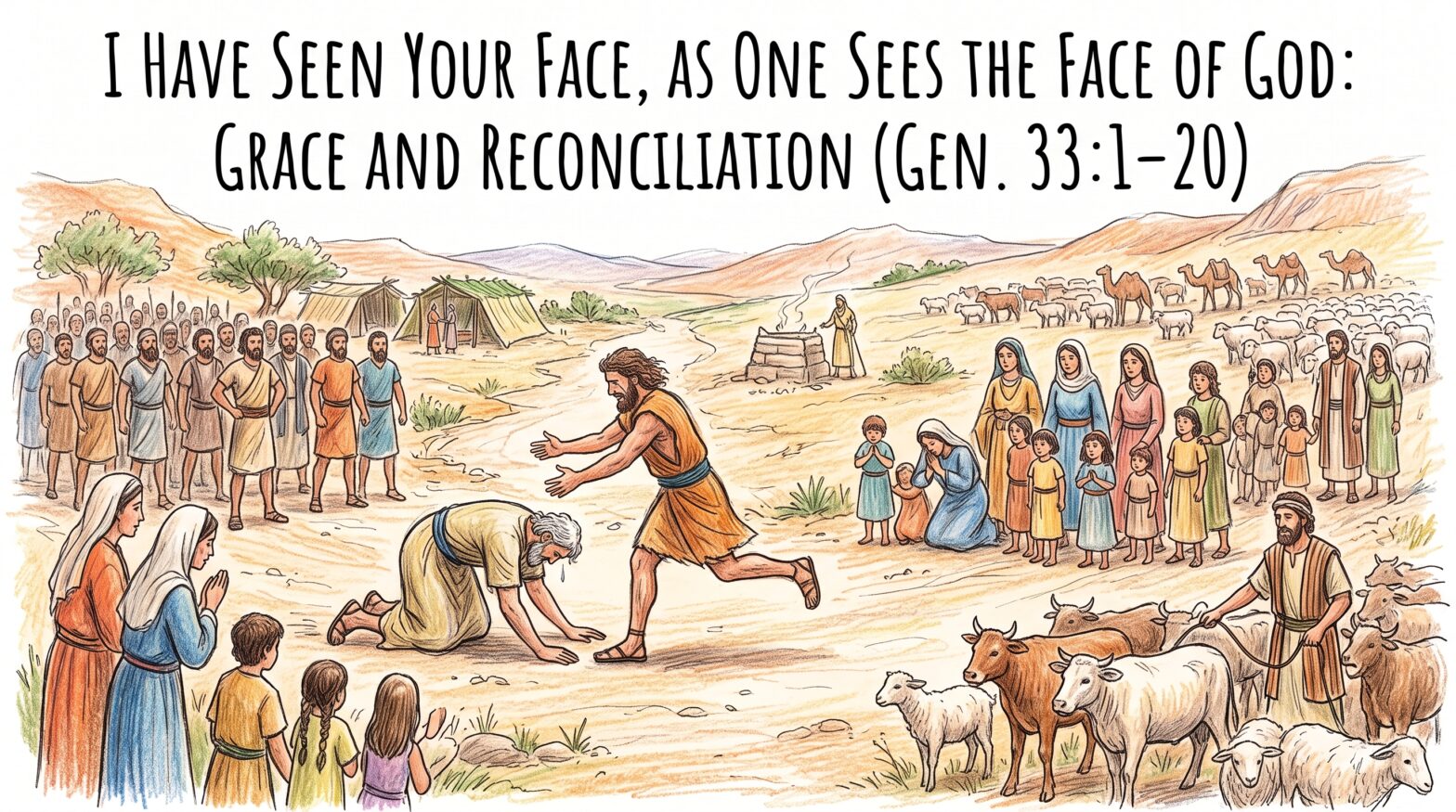
Twenty years of dread, guilt, and lingering fear can make a brother’s face look like an executioner. As Jacob looks up and sees Esau approaching with four hundred men, everything in his past says he should expect vengeance. Yet, what unfolds on the dusty road of Canaan is one of the most astonishing scenes of… Continue reading I Have Seen Your Face, as One Sees the Face of God: Grace and Reconciliation (Gen. 33:1–20)
Author: Tony Arsenal
The Self-Sufficient Source: Reclaiming Divine Aseity
We live in a culture dominated by transactional relationships. From our economic transactions to our social media networks, every connection in creaturely life involves mutual need, exchange, and dependence. We seek out friends who validate our identity, elect leaders who promise to fulfill our needs, and join communities to fill the empty places in our… Continue reading The Self-Sufficient Source: Reclaiming Divine Aseity
Image and Treason: On the Creation and Fall of Man (Scots Confession, Chapter 2)
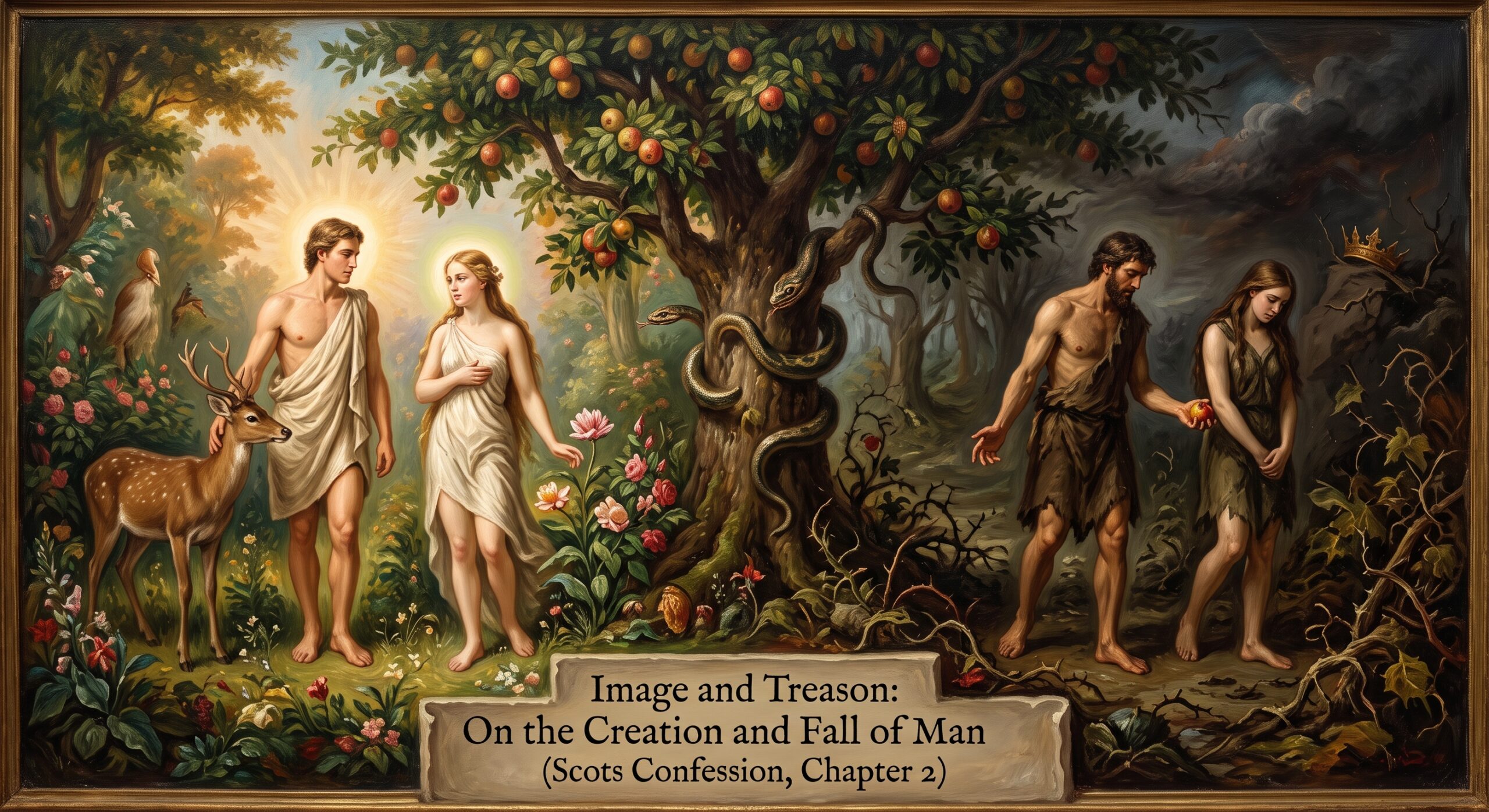
In the opening chapter of the Scots Confession, the Reformers fixed our eyes on the incomprehensible majesty of the Triune God. Having established the Creator, they immediately pivot in Chapter 2 to the pinnacle of His earthly creation. In a single, breathtaking paragraph, the “Six Johns” cover the entire trajectory of early human history. They… Continue reading Image and Treason: On the Creation and Fall of Man (Scots Confession, Chapter 2)
I Will Not Let You Go Unless You Bless Me: The Man Who Wrestled with God (Gen. 32:1–32)
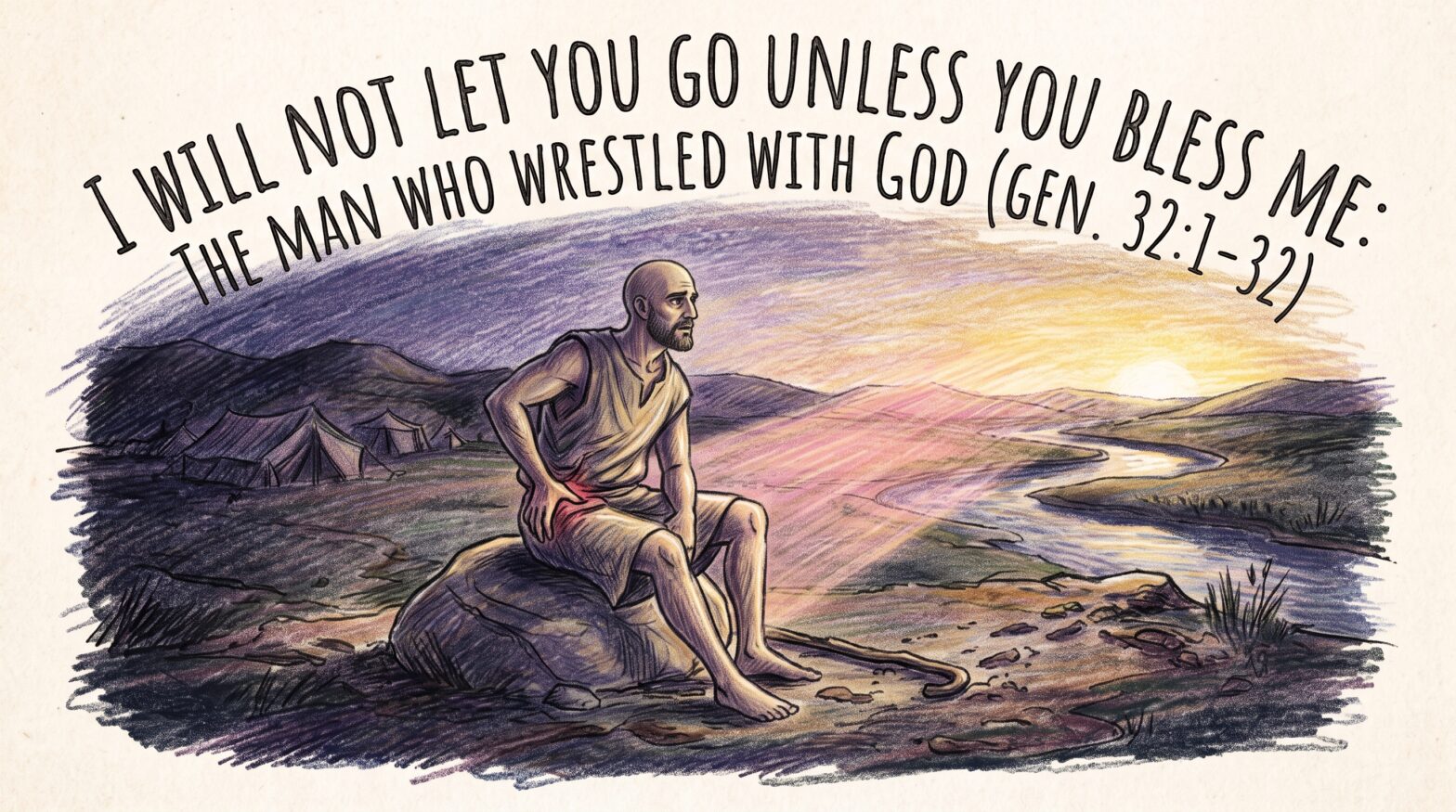
Loved ones, having finally closed the door on twenty years of servitude under Laban, Jacob turns his face back toward the Promised Land. But escaping the threat behind him brings him face-to-face with an even greater terror ahead: his brother Esau, whom he cheated out of his birthright and blessing twenty years earlier. Genesis 32… Continue reading I Will Not Let You Go Unless You Bless Me: The Man Who Wrestled with God (Gen. 32:1–32)
The Indivisible Essence: Reclaiming Divine Simplicity
We live in a world defined by composition. Everything in our creaturely experience is made up of parts. A physical body is composed of organs, tissues, and cells; a molecule is assembled from atoms; a clock is built from gears, springs, and levers. In our finite environment, complexity is often equated with greatness. We admire… Continue reading The Indivisible Essence: Reclaiming Divine Simplicity
To Whom Only We Must Cleave: On God and His Providence (Scots Confession, Chapter 1)
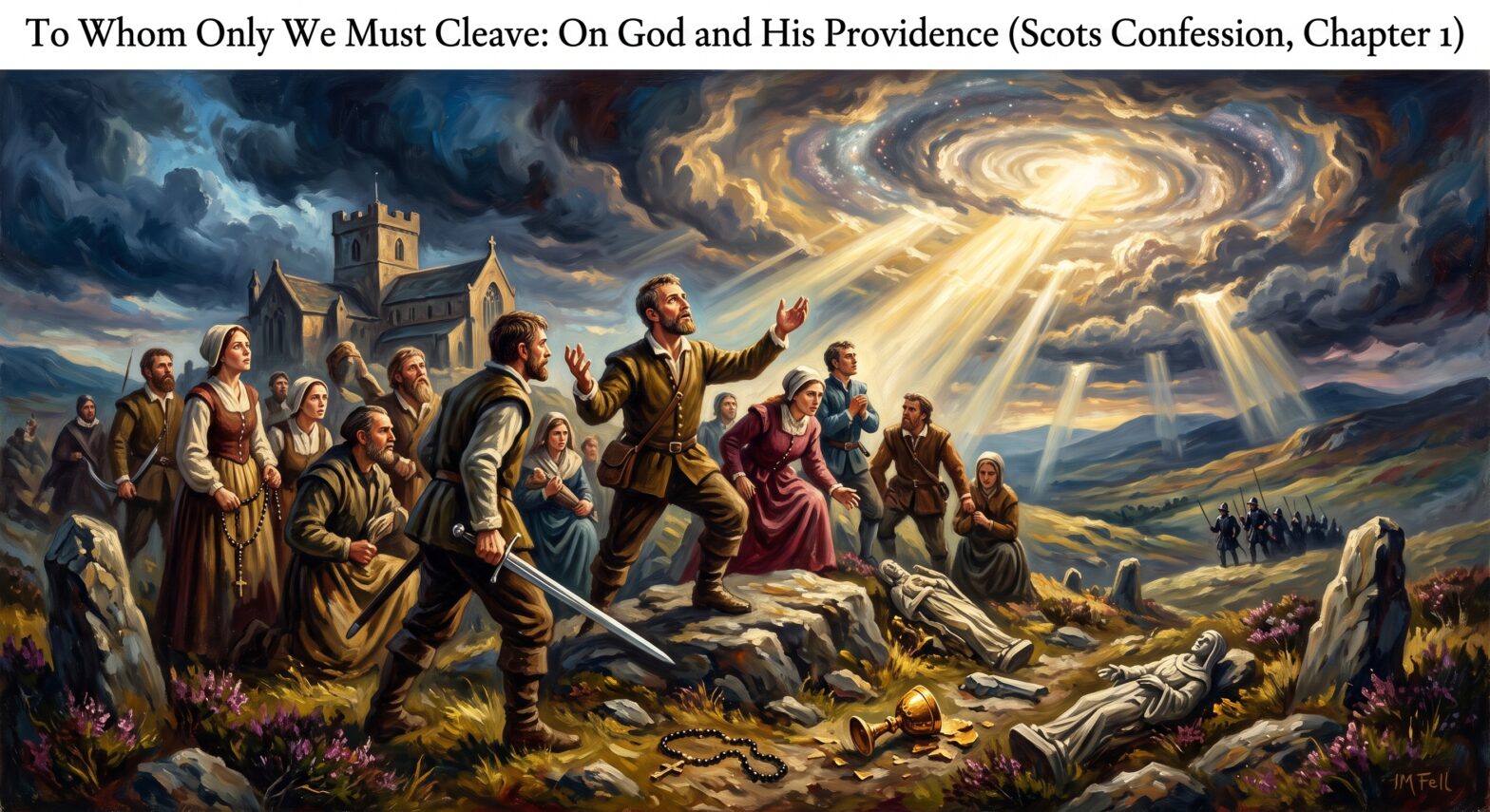
When we open the great confessions of the Reformation, we often find a distinct difference in where they choose to begin. The Westminster Confession of Faith, written nearly a century later in a highly scholastic era, begins with epistemology, how we know what we know, by dedicating its entire first chapter to the Holy Scriptures. But the earlier,… Continue reading To Whom Only We Must Cleave: On God and His Providence (Scots Confession, Chapter 1)
The God of Bethel: A Patriarch’s Flight and a Covenant of Peace (Gen. 31:1–55)
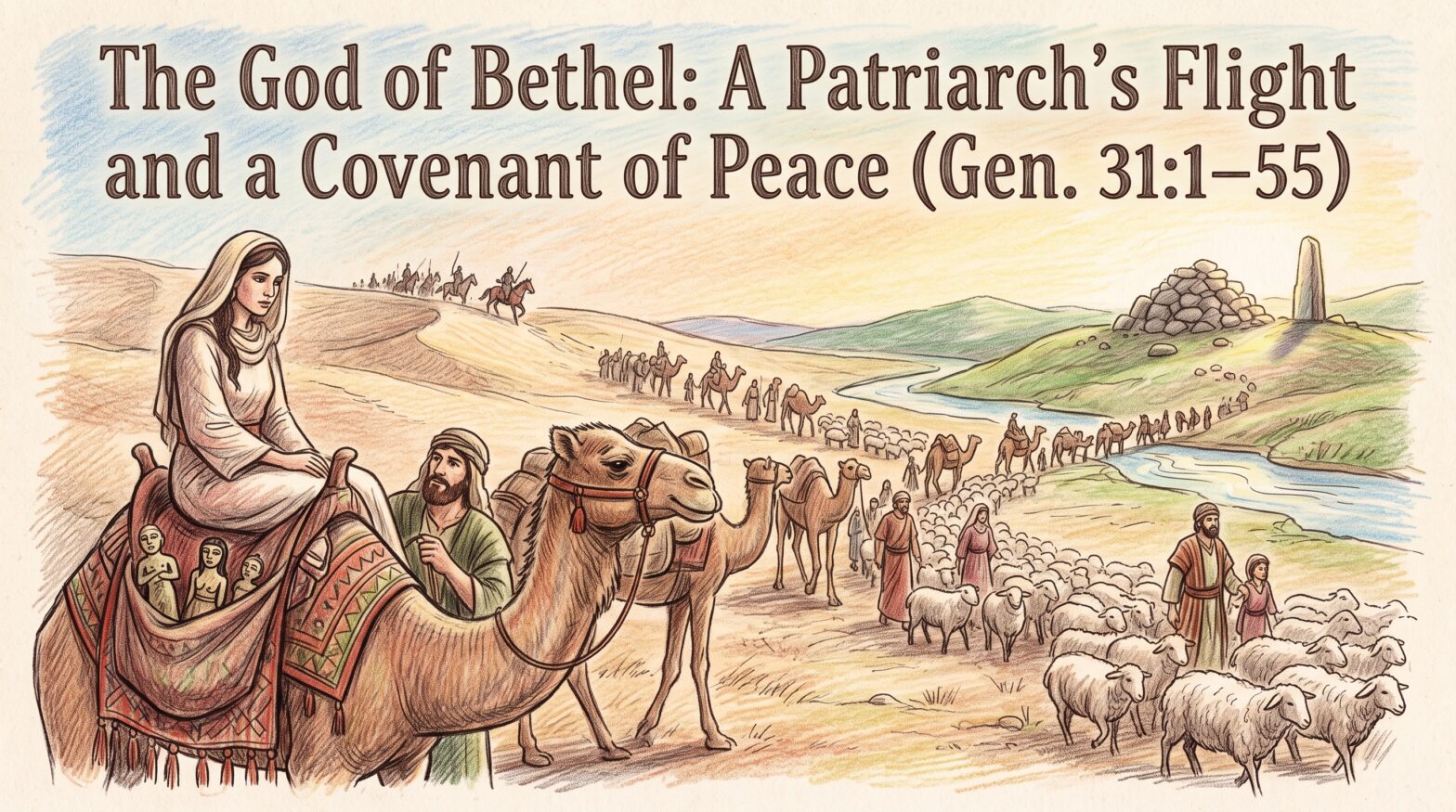
Loved ones, twenty years in exile can feel like an eternity. For two decades, Jacob has served his uncle Laban in Haran, enduring heat by day, frost by night, altered wages, and constant manipulation. Yet through it all, Yahweh has been quietly fulfilling His promise made at Bethel: protecting Jacob, multiplying his family, and providing for… Continue reading The God of Bethel: A Patriarch’s Flight and a Covenant of Peace (Gen. 31:1–55)
The Majesty of the Triune God: An Introduction to Theology Proper
We live in a culture that has thoroughly domesticated the divine. In contemporary religion, God is frequently painted as an indulgent grandfather, a cosmic therapist, or a useful political ally who exists primarily to validate our desires and cushion our personal comfort. Even within conservative evangelicalism, we often speak of God with a breezy, casual… Continue reading The Majesty of the Triune God: An Introduction to Theology Proper
We Have Chief Respect to Our Weak Brethren: On the Preamble to the Scots Confession
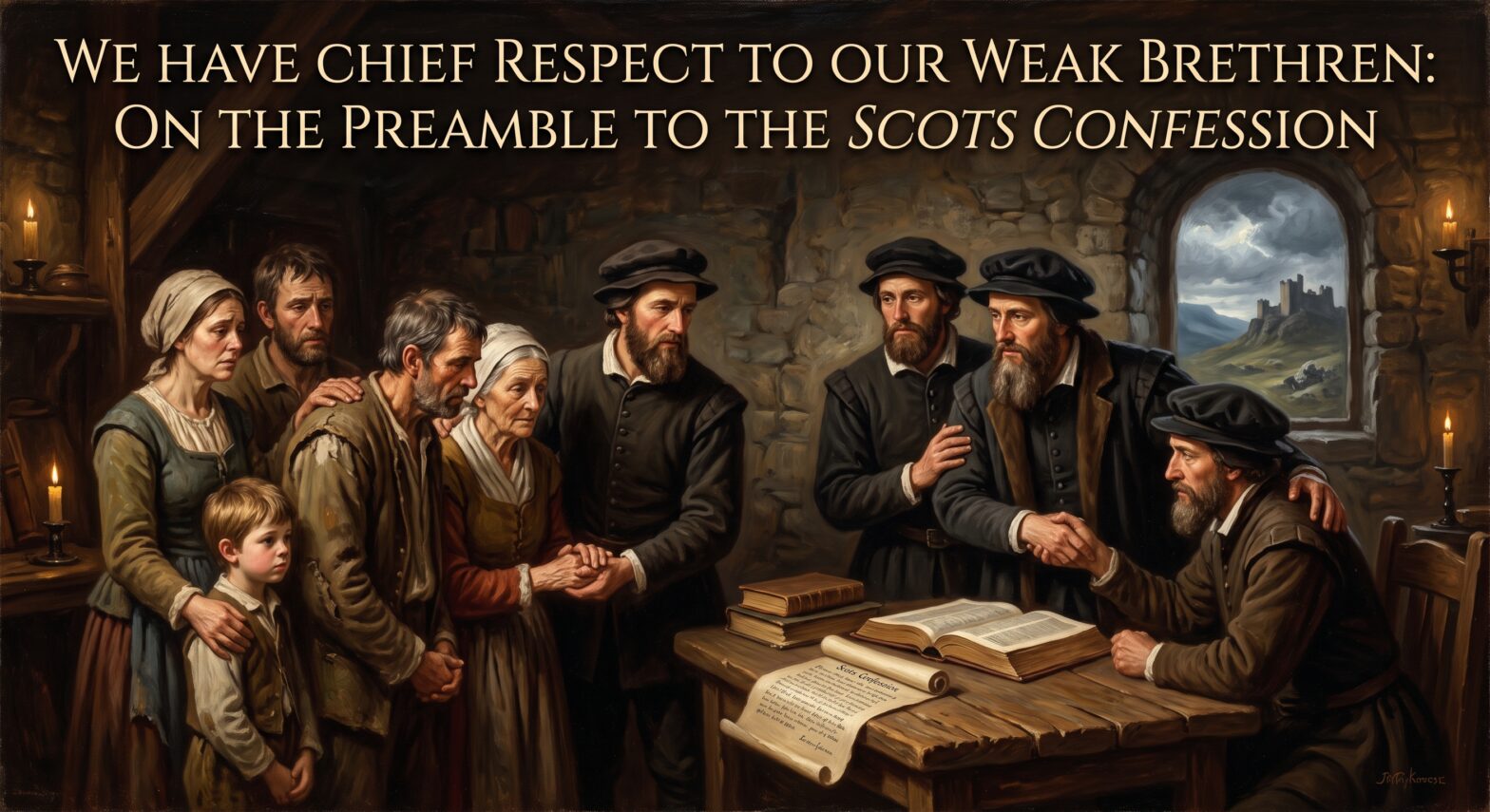
As I have studied of historical theology, I have observed a tendency among modern Reformed men to view our confessional documents in a highly sanitized, academic light. We look at the leather-bound volumes on our shelves and subconsciously imagine that they were handed down from heaven, or at least drafted in comfortable, oak-paneled libraries by… Continue reading We Have Chief Respect to Our Weak Brethren: On the Preamble to the Scots Confession
The God of My Father Has Been with Me: Jacob’s Wily Wisdom (Gen. 30:25–43)
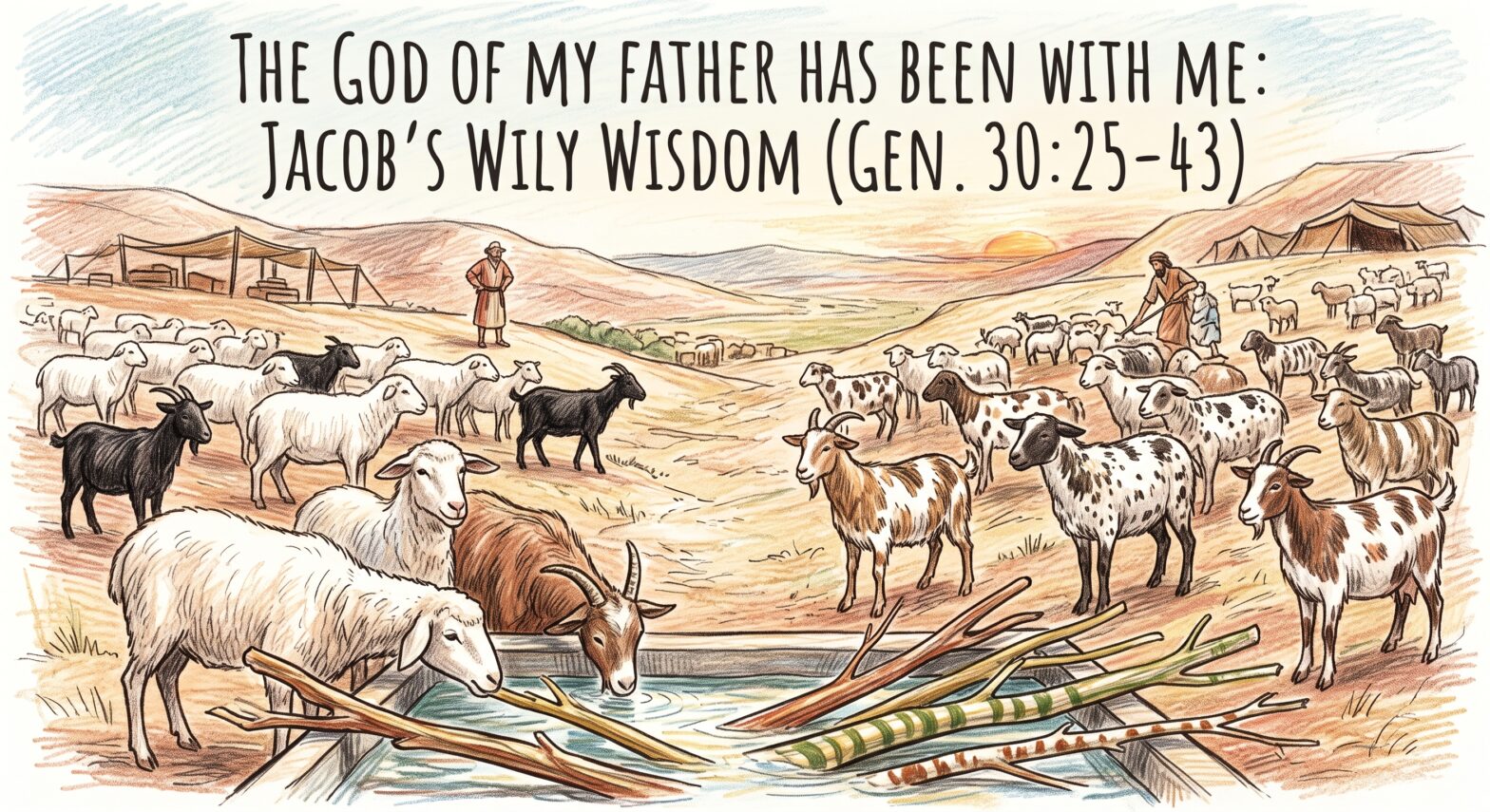
Loved ones, when you put two master manipulators in the same tent, conflict is inevitable. For fourteen long years, Jacob the Supplanter has been living under the thumb of an even greater deceiver: his uncle, Laban. Jacob has fulfilled his contractual obligations for his wives. He is older, he has a large family, and he… Continue reading The God of My Father Has Been with Me: Jacob’s Wily Wisdom (Gen. 30:25–43)