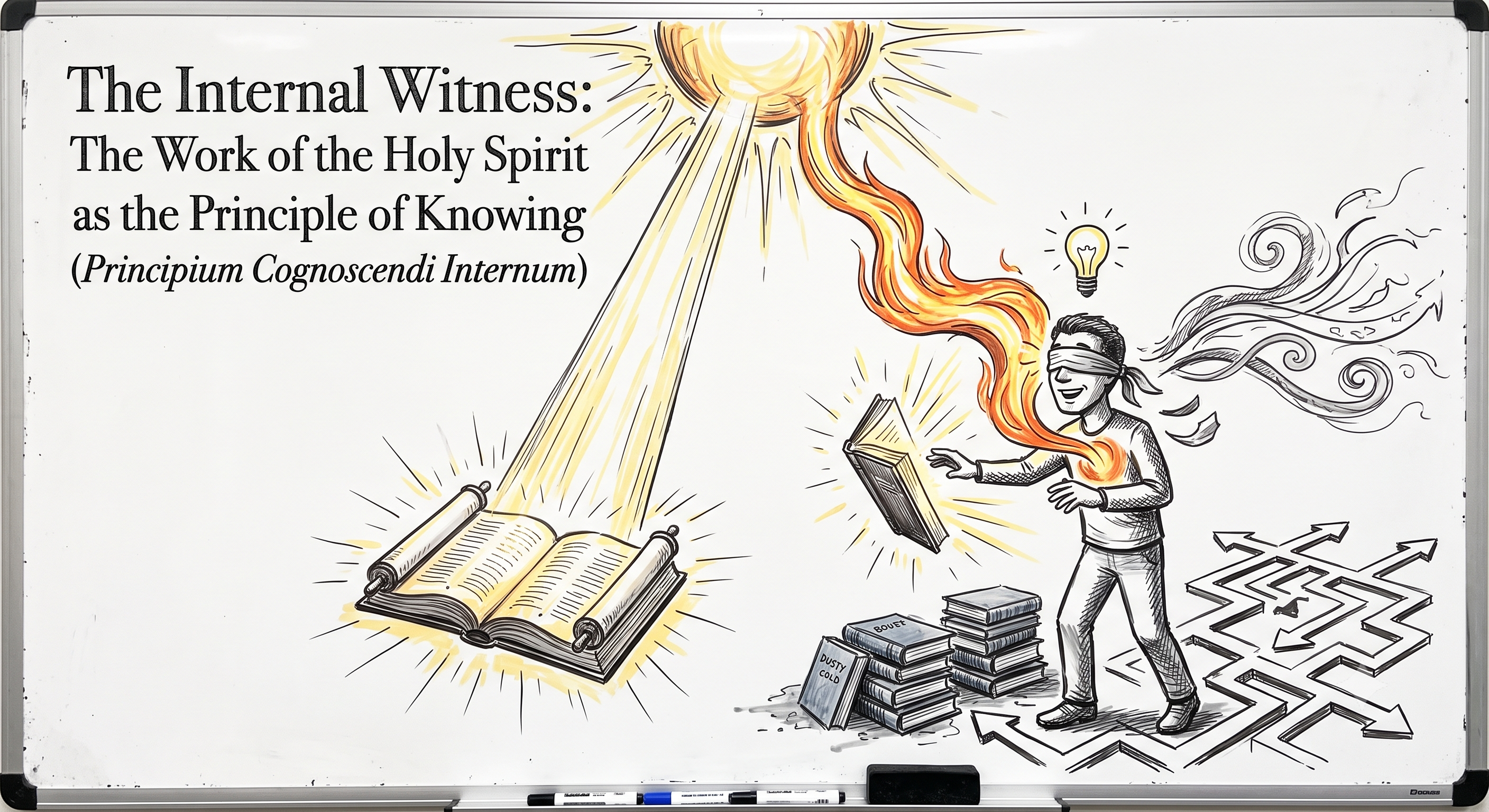
We can possess the most flawless, mathematically precise theological library in the world and remain completely dead in our sins. We can memorize the historic confessions, master the nuances of Latin terminology, construct airtight defenses of biblical inerrancy, and win every online debate we enter, while our hearts remain as cold and lifeless as marble… Continue reading The Internal Witness: The Work of the Holy Spirit as the Principle of Knowing (Principium Cognoscendi Internum)
Author: Tony Arsenal
Before Westminster: An Introduction to the Scots Confession of 1560

Modern Reformed Christians are often deeply familiar with the Westminster Standards (originating in 1640s England) and the Three Forms of Unity (originating in the continental Reformation). These documents are masterpieces of theological precision and continue to serve as the bedrock for conservative Presbyterian and Reformed denominations today. But what did Reformed Christians believe before Westminster? There is… Continue reading Before Westminster: An Introduction to the Scots Confession of 1560
The Lord Opened Her Womb: A Household Built on Rivalry and Grace (Gen. 29:31–30:24)
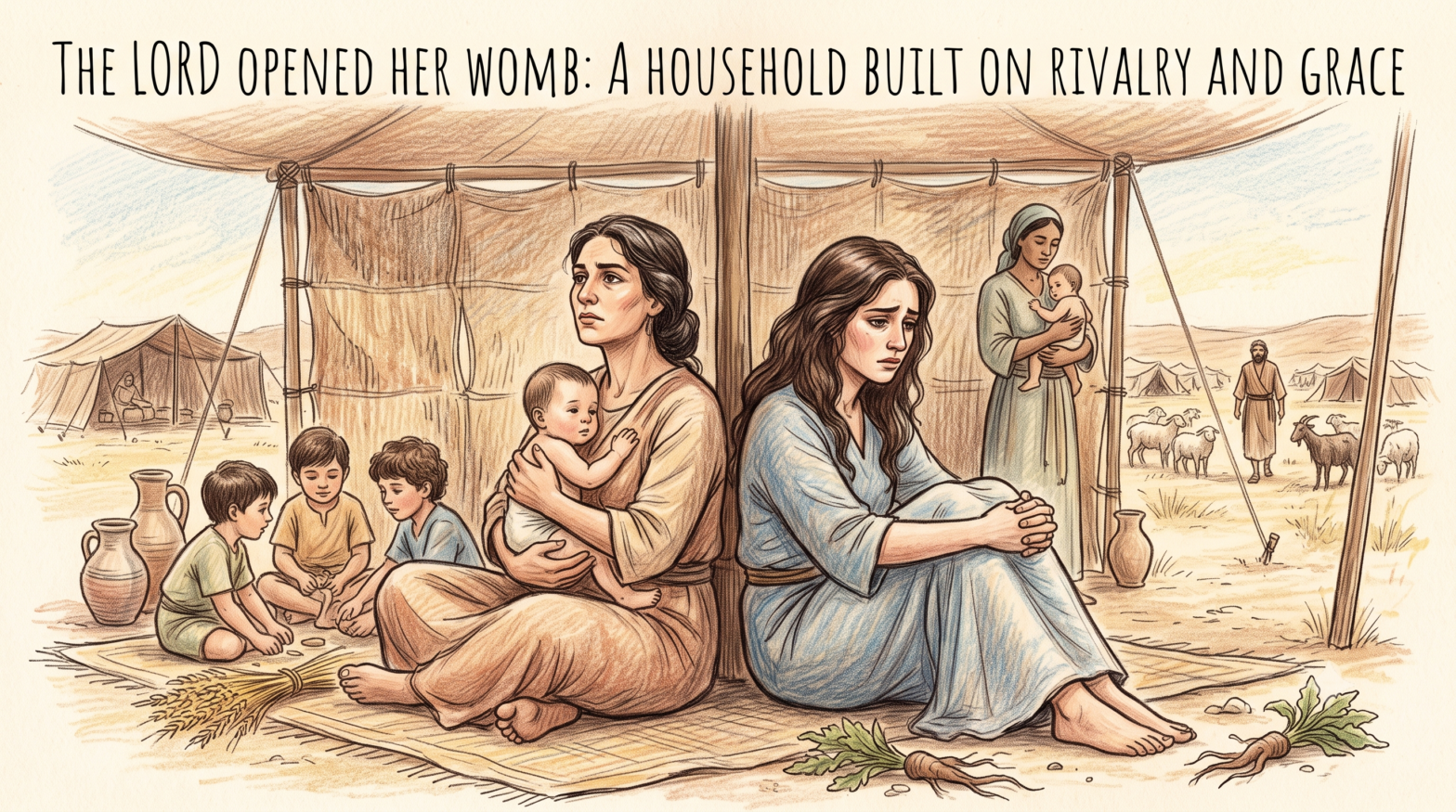
Loved ones, when we look closely at the patriarchs of our faith, we are rarely presented with a picture of domestic tranquility. In fact, if you want an argument against the practice of polygamy, you need look no further than the tent of Jacob. Following Laban’s treacherous deception, Jacob is now married to two sisters.… Continue reading The Lord Opened Her Womb: A Household Built on Rivalry and Grace (Gen. 29:31–30:24)
The External Standard: Scripture as the Principle of Knowing (Principium Cognoscendi Externum)
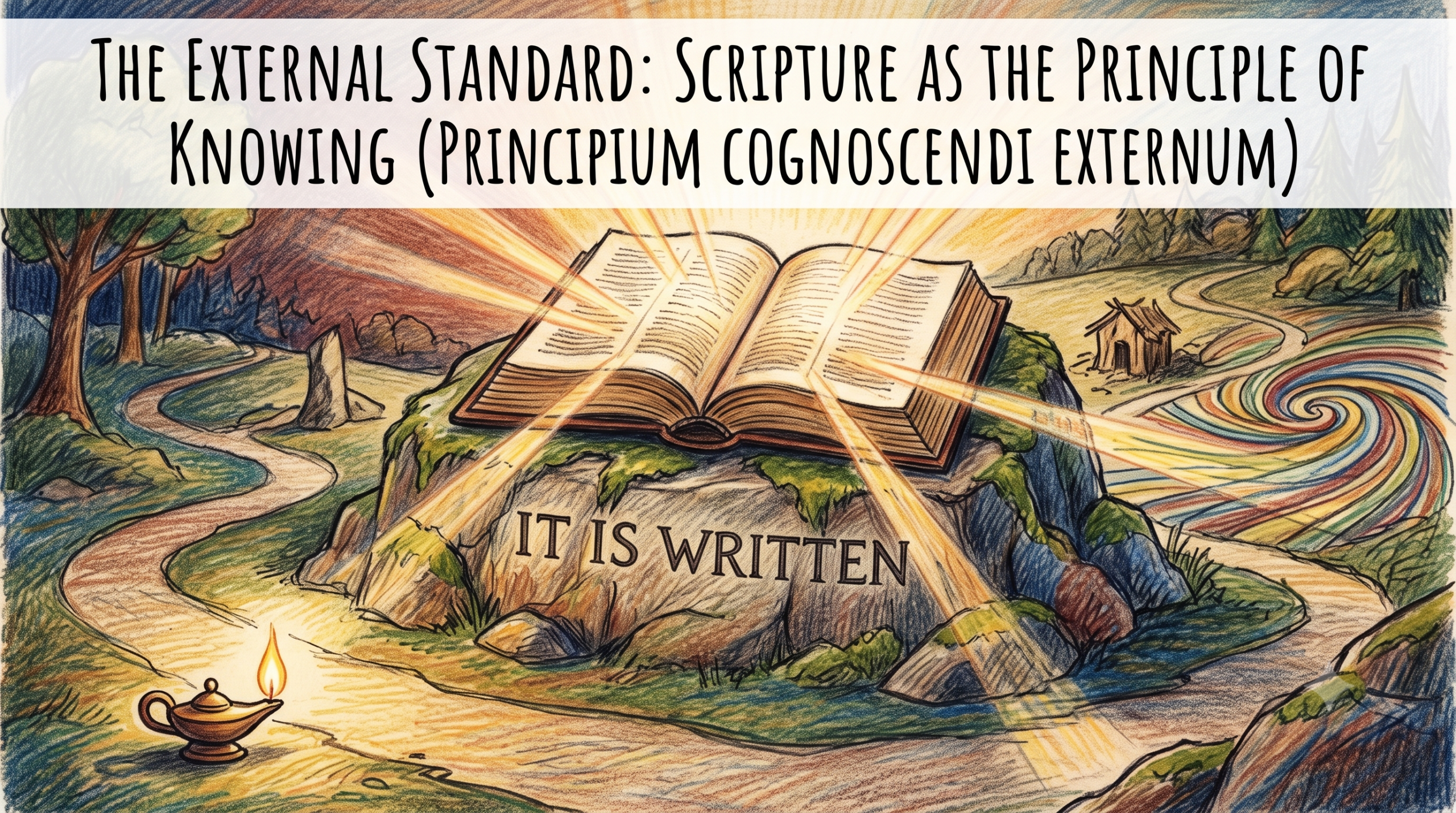
We live in an age drowning in subjectivity. In our post-truth culture, authority has been radically internalized. Truth is no longer viewed as an objective reality to be discovered and submitted to, but as a personal, fluid sentiment to be felt, constructed, and asserted. The ultimate virtue of our secular moment is “living your truth,”… Continue reading The External Standard: Scripture as the Principle of Knowing (Principium Cognoscendi Externum)
When He Shall Come to Judge: On the Last Judgment (WCF 33.1–33.3)
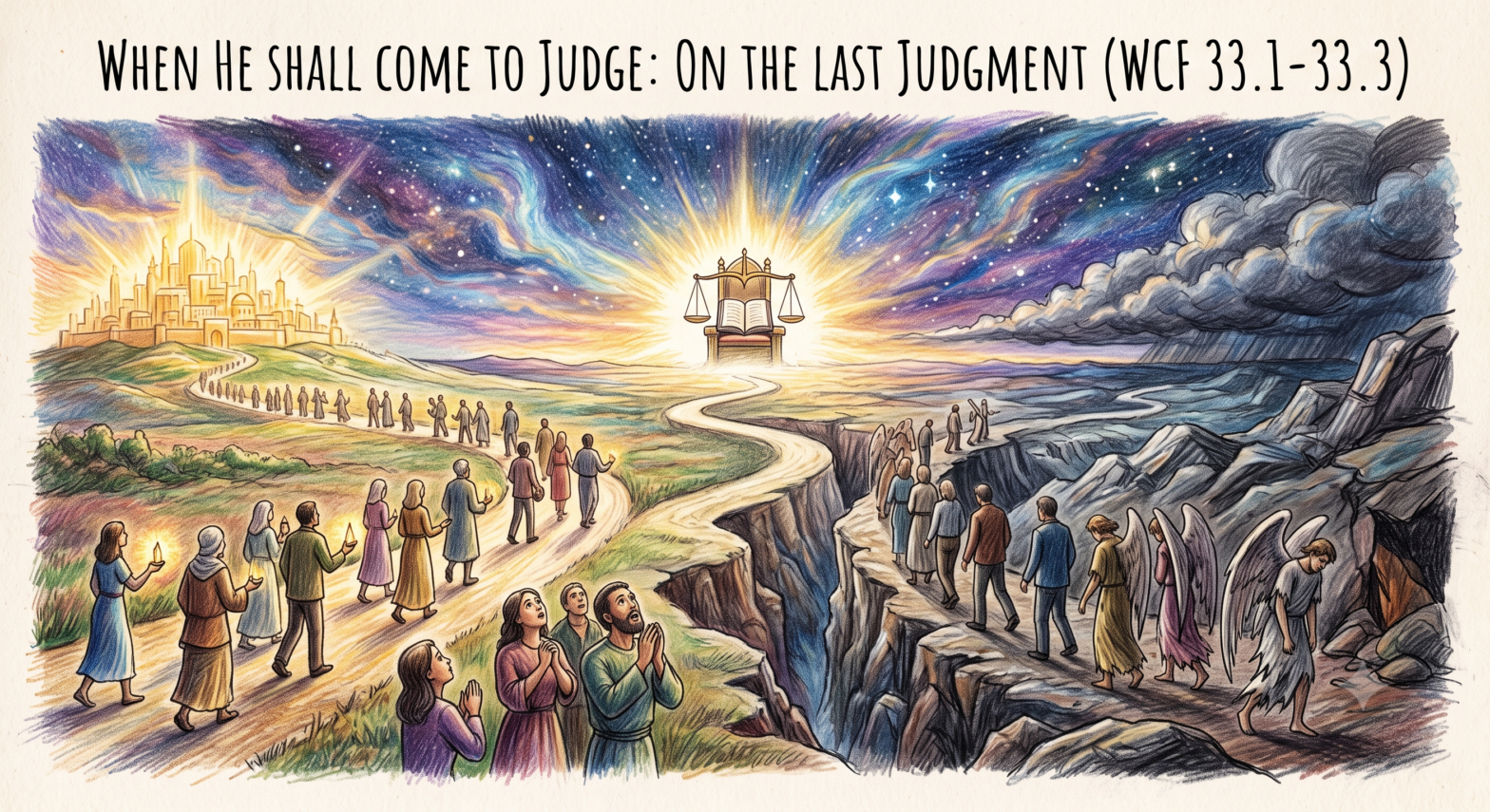
We have reached the majestic and solemn conclusion of the Westminster Confession of Faith. From the opening chapter on the necessity of Holy Scripture, through the eternal decrees of God, the fall of man, the covenant of grace, the work of Christ, and the establishment of His Church, all of human history is driving toward… Continue reading When He Shall Come to Judge: On the Last Judgment (WCF 33.1–33.3)
The Deceiver Deceived: Seven Years for Leah, and Seven More for Rachel (Gen. 29:1–30)
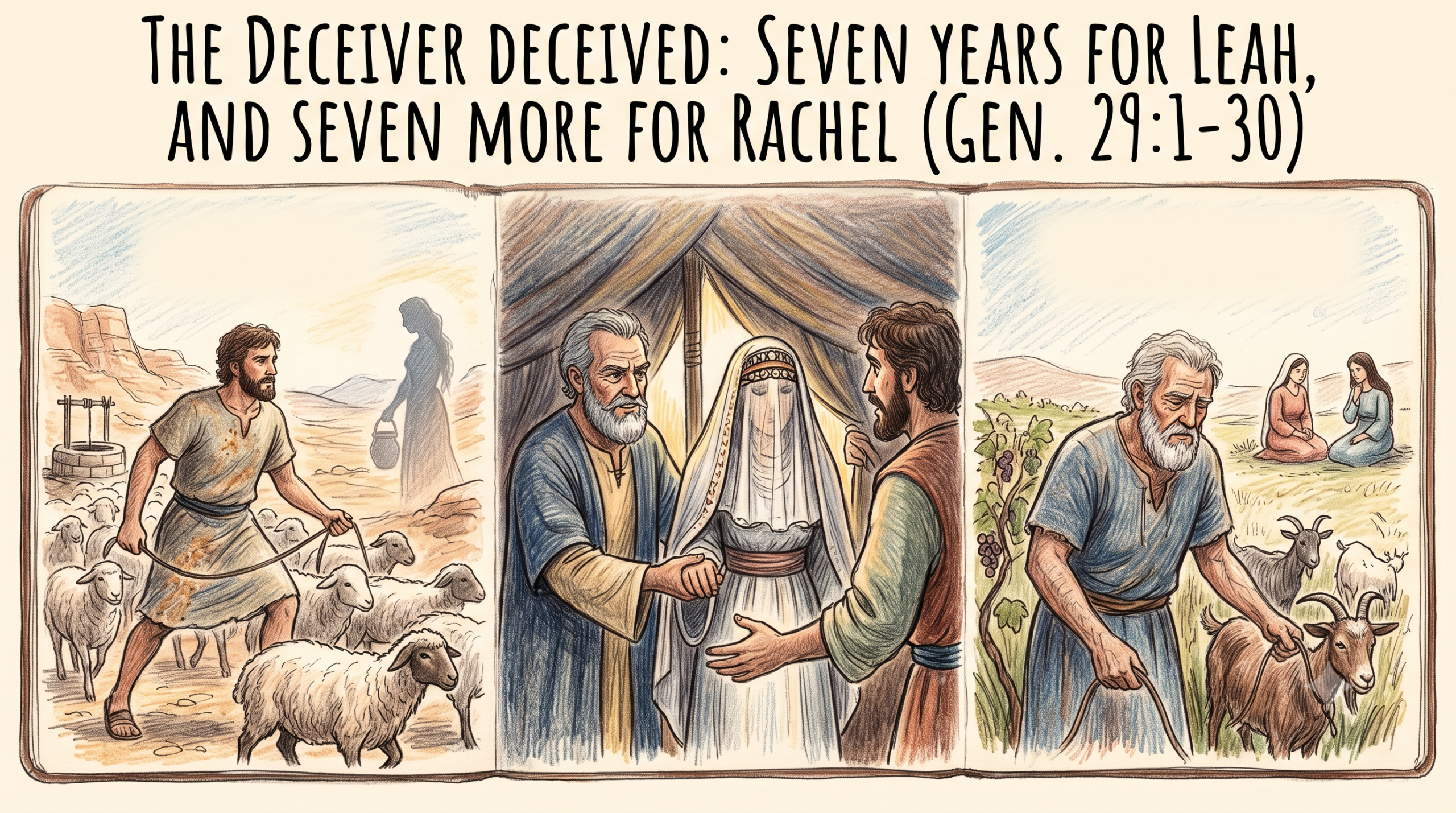
Loved ones, one of the most sobering principles in Scripture is the law of the harvest: “Whatever one sows, that will he also reap” (Galatians 6:7). God is endlessly gracious to His covenant children, but He does not leave them undisciplined. If we insist on living by manipulation, deceit, and grabbing for control, God will… Continue reading The Deceiver Deceived: Seven Years for Leah, and Seven More for Rachel (Gen. 29:1–30)
The Essential Principle: God as the Foundation of Being (Principium Essendi)
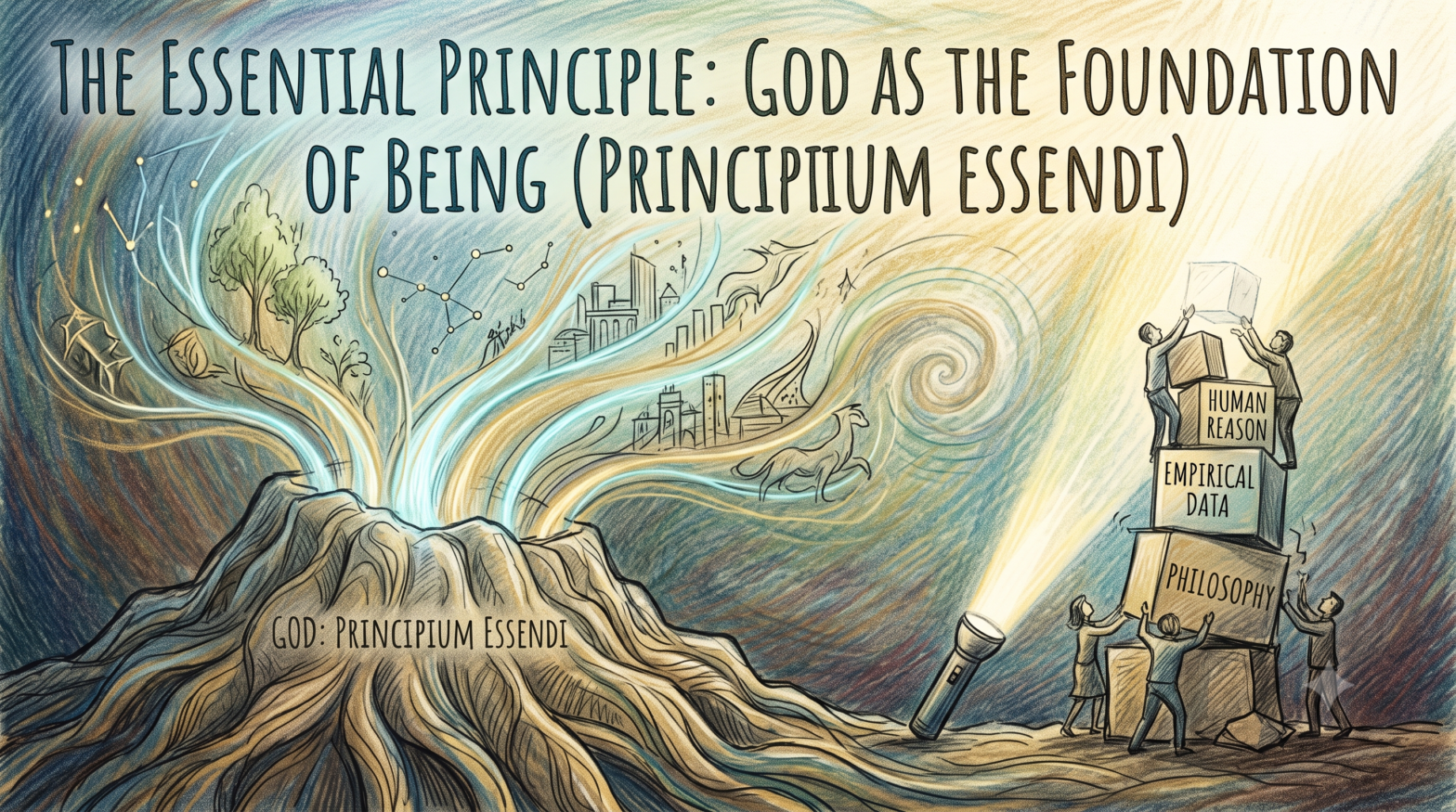
Since the Enlightenment, Western philosophy has been captive to a fatal epistemological inversion. Ever since René Descartes retreated into his private study and declared, “Cogito, ergo sum” (“I think, therefore I am”), modern culture has made the autonomous human mind the starting point for all reality. We begin with our own doubts, our own reason, and our… Continue reading The Essential Principle: God as the Foundation of Being (Principium Essendi)
Until the Great Day: On the State of Men After Death (WCF 32.1–32.3)
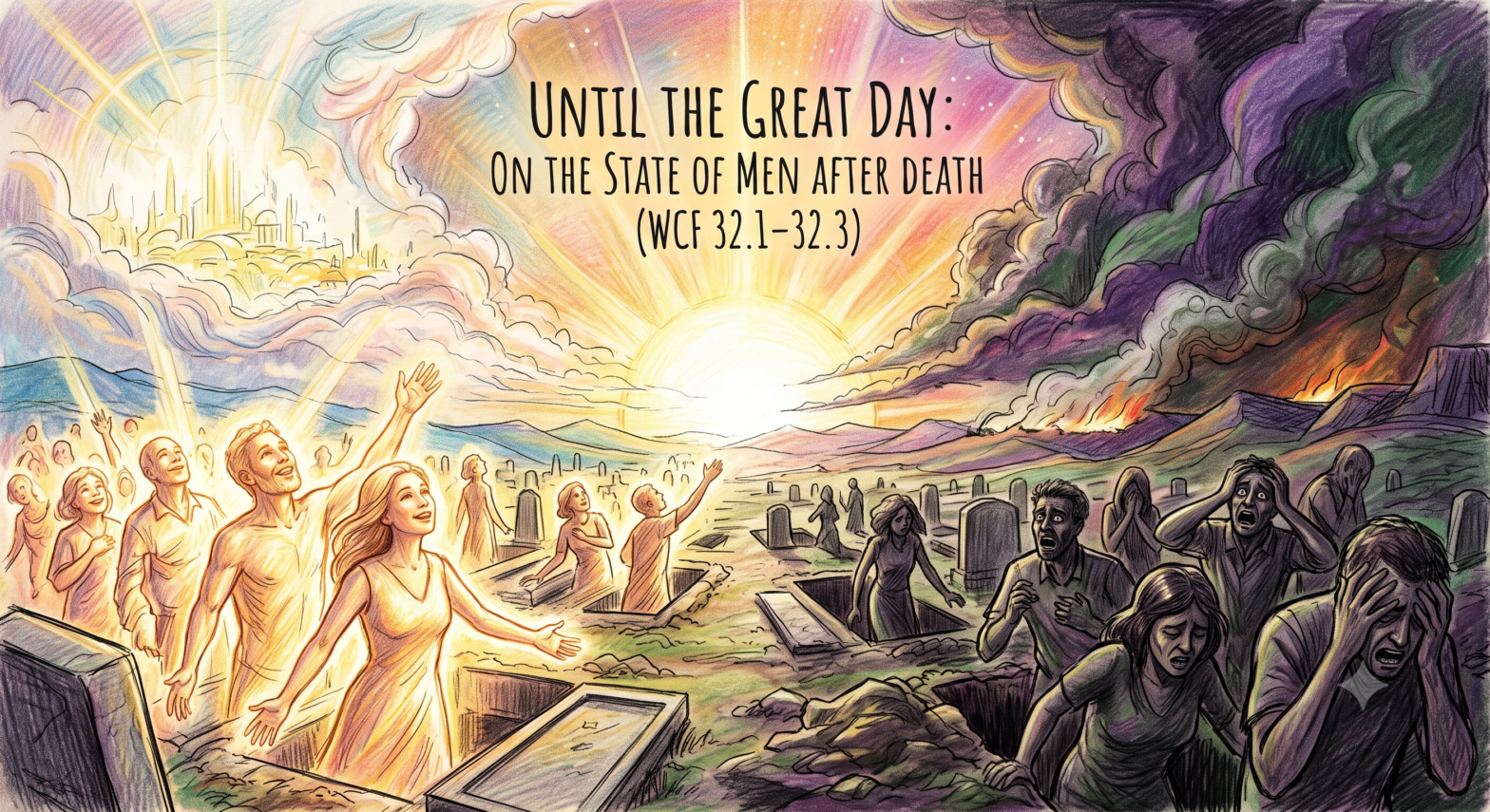
Death is the great, unavoidable reality of human existence. Because modern secular culture has no answer for death, it largely tries to ignore it. Meanwhile, popular religion is often filled with comforting but unbiblical sentimentalities, such as the idea that humans become angels when they die, or that the ultimate goal of salvation is simply… Continue reading Until the Great Day: On the State of Men After Death (WCF 32.1–32.3)
A Ladder to Heaven: The Covenant Confirmed at Bethel (Gen. 28:1–22)
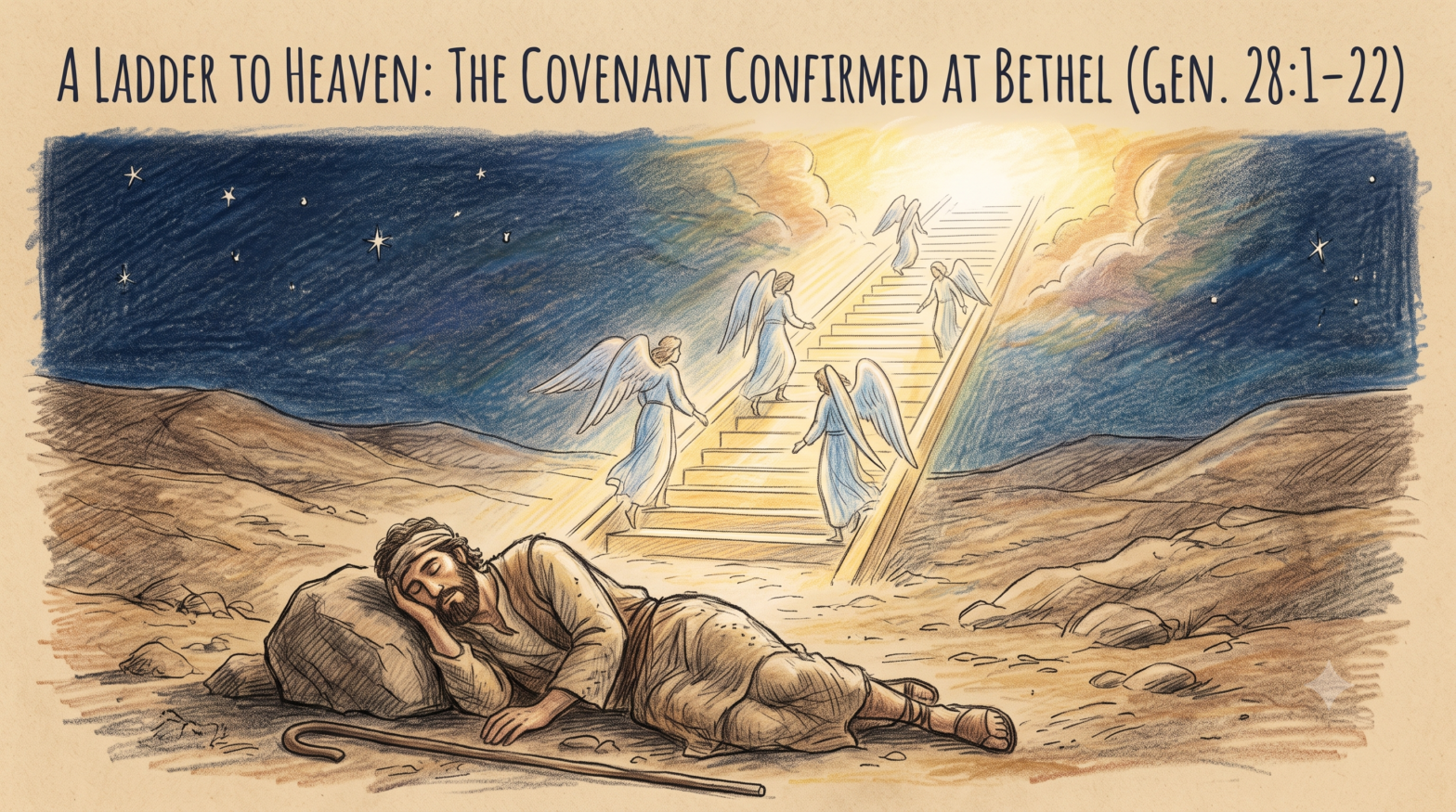
Loved ones, when we last saw Jacob, he was a deceitful son fleeing for his life. Having stolen his brother’s blessing, he shattered his family and was forced to leave behind the wealth, the comfort, and the mother he so dearly loved. As Genesis 28 opens, Jacob is a solitary fugitive. He has nothing but… Continue reading A Ladder to Heaven: The Covenant Confirmed at Bethel (Gen. 28:1–22)
The School of Precision: Reclaiming the Scholastic Method for Modern Theology
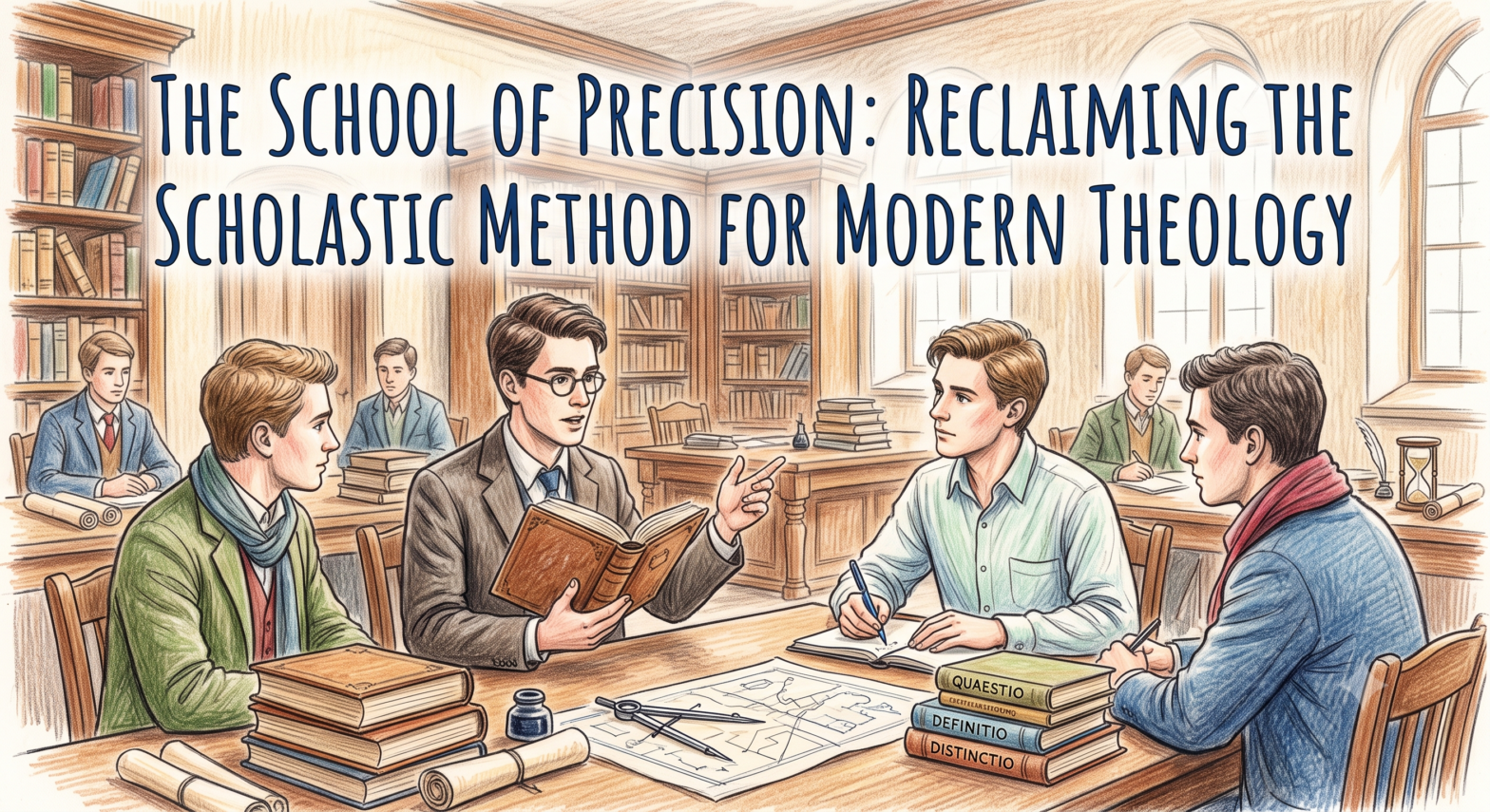
We live in an age that is deeply allergic to precision. Modern public discourse, heavily shaped by the rapid, emotional landscape of social media, values the hot take over the disciplined thought. We communicate in slogans, judge systems by their aesthetic appeal, and mistake emotional intensity for theological depth. In the contemporary church, this manifests… Continue reading The School of Precision: Reclaiming the Scholastic Method for Modern Theology